
Why Won’t My Dog Eat?
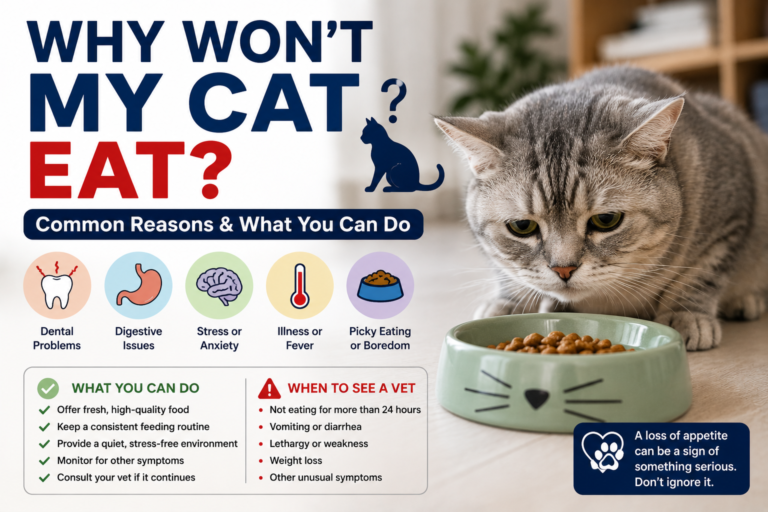
If your dog is not eating, the cause may be as simple as stress, a recent diet change, or picky eating. In other cases, a loss of appetite can signal dental pain, digestive problems, infection, or a more serious medical condition. If your dog skips one meal but otherwise acts normally, monitor them closely. If they refuse food for more than 24 hours (or sooner for puppies), or if they have other symptoms like vomiting, diarrhea, or lethargy, contact your veterinarian.
What Does It Mean When a Dog Is Not Eating?
A healthy dog usually has a predictable appetite. When a dog suddenly loses interest in food or consistently eats much less than usual, it’s known as loss of appetite or reduced appetite.
A dog refusing food isn’t a disease itself—it’s a symptom. The reason can range from something minor, such as anxiety after traveling, to a health condition that requires veterinary treatment.
The key is to look at the whole picture:
- How long has your dog refused food?
- Are they still drinking water?
- Are they acting normally?
- Have there been any recent changes in routine or diet?
- Are there other symptoms?
Answering these questions helps determine how serious the situation may be.
Common Reasons Why Your Dog Is Not Eating
There isn’t one single answer to “Why is my dog not eating?” Here are the most common possibilities.
1. Stress or Anxiety
Dogs can temporarily lose their appetite after:
- Moving to a new home
- Boarding at a kennel
- Traveling
- Fireworks or thunderstorms
- Introducing another pet
- Changes in the family routine
Most healthy dogs begin eating normally once they feel comfortable again.
2. A Sudden Diet Change
Switching food too quickly can upset your dog’s digestive system or make them reluctant to eat.
Whenever possible, transition gradually over 7–10 days by mixing increasing amounts of the new food with the old food.
3. Picky Eating
Some dogs become selective if they’re frequently offered table scraps or treats.
If treats are more exciting than regular meals, your dog may hold out for something better.
4. Dental Problems
Painful teeth or gums often make eating uncomfortable.
Common dental issues include:
- Broken teeth
- Gum disease
- Tooth abscesses
- Loose teeth
- Oral injuries
A dog with dental pain may approach the food bowl but walk away after taking only a few bites.
5. Digestive Upset
Mild stomach irritation can reduce appetite temporarily.
Possible causes include:
- Eating spoiled food
- Dietary indiscretion
- Mild gastroenteritis
- Food intolerance
Digestive problems are often accompanied by vomiting or diarrhea.
6. Illness
Many illnesses reduce appetite.
Examples include:
- Viral or bacterial infections
- Kidney disease
- Liver disease
- Pancreatitis
- Diabetes
- Cancer
These conditions usually cause additional symptoms beyond simply refusing food.
7. Medication Side Effects
Some medications may temporarily reduce appetite.
If your dog recently started a new medication and stopped eating, speak with your veterinarian before making any changes.
8. Pain
Dogs experiencing pain from arthritis, injuries, or other medical conditions may lose interest in eating.
Sometimes the problem isn’t hunger—it’s discomfort.
Why Is My Dog Not Eating but Acting Normal?
One of the most common questions owners ask is:
“Why is my dog not eating but acting normal?”
If your dog:
- Is still playful
- Drinks water normally
- Has normal energy
- Uses the bathroom as usual
- Shows no signs of pain
…the cause may be relatively minor.
Possible reasons include:
- Mild stress
- Hot weather
- Eating too many treats
- Waiting for preferred food
- A recent routine change
Continue monitoring your dog for the next 24 hours.
If appetite doesn’t return or new symptoms develop, schedule a veterinary visit.
Why Is My Dog Not Eating His Food but Eating Treats?
If your dog happily eats treats but refuses regular meals, the issue is often behavioral rather than medical.
Possible reasons include:
- Too many treats
- Learned picky eating
- Boredom with the current food
- Expecting human food
- Mild dental discomfort (soft treats may hurt less)
Try limiting treats for a few days while offering regular meals on a consistent schedule.
Why Is My Dog Not Eating Food but Drinking Water?
If your dog is not eating food but continues drinking water, don’t ignore it.
Possible explanations include:
- Mild stomach upset
- Dental pain
- Fever
- Early illness
- Nausea
Drinking water is encouraging, but a healthy dog shouldn’t refuse food for long.
Signs That Require Immediate Veterinary Care
Loss of appetite becomes more concerning when it’s combined with other symptoms.
Contact a veterinarian promptly if your dog has:
- Vomiting
- Severe diarrhea
- Blood in vomit or stool
- Difficulty breathing
- Extreme lethargy
- Swollen abdomen
- Persistent pain
- Collapse
- Pale gums
- Difficulty swallowing
- Refusal to drink water
Puppies, senior dogs, and dogs with chronic illnesses should be evaluated sooner because they can become dehydrated or weak more quickly.
What You Can Do at Home
If your dog skips a meal but otherwise seems healthy, these steps may help.
1. Give It a Little Time
Some dogs simply aren’t hungry at one meal.
Avoid immediately switching foods or offering lots of treats.
2. Check the Food
Make sure the food:
- Hasn’t expired
- Smells normal
- Has been stored properly
Dogs can detect spoiled food long before humans do.
3. Reduce Treats
Too many snacks between meals can reduce appetite.
4. Keep a Consistent Feeding Schedule
Offer meals at the same times each day.
Remove uneaten food after about 15–20 minutes rather than leaving it out all day.
5. Encourage Hydration
Always provide fresh, clean water.
Hydration is especially important if your dog has mild digestive upset.
6. Observe for Other Symptoms
Watch for:
- Vomiting
- Diarrhea
- Coughing
- Limping
- Weight loss
- Changes in behavior
These details will help your veterinarian if an examination becomes necessary.
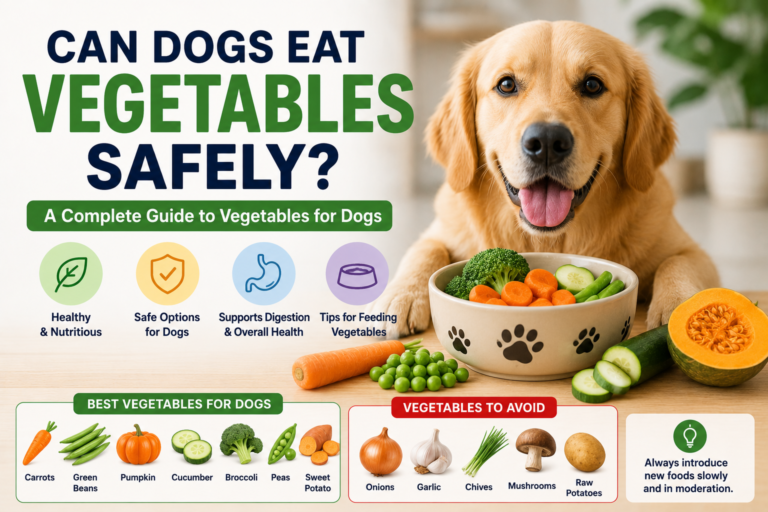
Foods You Should Never Force Your Dog to Eat
Avoid encouraging eating with foods that are unsafe for dogs.
Never offer:
- Chocolate
- Grapes
- Raisins
- Onions
- Garlic
- Xylitol-containing products
- Alcohol
- Macadamia nuts
- Cooked bones
Also avoid forcing food into your dog’s mouth unless specifically instructed by your veterinarian.
Common Mistakes Dog Owners Make
Offering Endless Treats
This often reinforces picky eating.
Constantly Changing Foods
Frequent changes can upset digestion and make dogs more selective.
Waiting Too Long
A dog that refuses food for more than a day—especially with other symptoms—shouldn’t simply be watched indefinitely.
Ignoring Dental Health
Many appetite problems start with painful teeth or gums.
Regular dental care helps prevent these issues.
Assuming It’s “Just Picky Eating”
Sometimes appetite loss is the earliest sign of illness.
If something feels different about your dog’s behavior, trust your instincts and consult your veterinarian.
How to Help Prevent Appetite Problems
Healthy habits reduce the risk of future eating issues.
- Feed a balanced diet.
- Maintain regular meal times.
- Avoid excessive treats.
- Schedule routine veterinary checkups.
- Keep vaccinations current.
- Provide regular exercise.
- Practice good dental care.
- Introduce new foods gradually.
Frequently Asked Questions
Why is my dog not eating?
A dog may stop eating because of stress, diet changes, dental pain, digestive upset, illness, medication side effects, or other medical conditions.
Why is my dog not eating but acting normal?
If your dog seems otherwise healthy, temporary appetite loss may result from stress, hot weather, mild stomach upset, or picky eating. Monitor them closely and contact your veterinarian if the problem continues.
How long can a dog go without eating?
Many healthy adult dogs can miss a meal without serious problems, but refusing food for more than 24 hours should be evaluated by a veterinarian. Puppies should be seen much sooner because they have less energy reserve.
Should I worry if my dog skips one meal?
Not always. Some dogs occasionally miss a meal. Continue monitoring their behavior, water intake, and energy level.
Why is my dog not eating his food but eating treats?
This often happens because treats are more appealing, but dental pain or mild illness can also play a role.
What if my dog is drinking water but not eating?
A dog that drinks normally but refuses food may have stomach upset, dental problems, nausea, or another medical condition. If appetite doesn’t return within a day or additional symptoms appear, seek veterinary advice.
Can stress make a dog stop eating?
Yes. Travel, moving, loud noises, new pets, or changes in routine can temporarily reduce appetite.
What should I do if my puppy won’t eat?
Puppies should never go long without food. Contact your veterinarian promptly if a puppy refuses meals, especially if they seem tired, vomit, or have diarrhea.
Can dental disease cause appetite loss?
Yes. Tooth pain and gum disease commonly make eating uncomfortable, particularly dry kibble.
When should I take my dog to the veterinarian?
Seek veterinary care immediately if appetite loss is accompanied by vomiting, diarrhea, weakness, breathing problems, abdominal swelling, blood in stool or vomit, or refusal to drink water. Otherwise, contact your veterinarian if your dog hasn’t eaten for more than 24 hours or if you’re concerned about any change in their behavior.
Key Takeaways
- Dog not eating is a symptom, not a diagnosis.
- Stress, diet changes, picky eating, dental disease, digestive upset, and illness are common causes.
- A dog that skips one meal but acts normally may simply need observation.
- Appetite loss lasting more than 24 hours, or accompanied by other symptoms, requires veterinary attention.
- Fresh water should always be available, even if your dog isn’t eating.
- Avoid excessive treats, sudden food changes, and delaying veterinary care when warning signs are present.
Final Thoughts
Seeing your dog refuse food can be worrying, especially if they usually have a healthy appetite. In many cases, the cause is temporary and resolves with time, particularly if your dog is otherwise active and behaving normally. Still, a change in appetite should never be ignored.
Pay attention to your dog’s overall behavior, hydration, and any additional symptoms rather than focusing only on the food bowl. If the loss of appetite persists, worsens, or is accompanied by signs of illness, prompt veterinary evaluation is the safest course of action. Early attention can often identify and treat problems before they become more serious, helping your dog return to their normal, healthy routine.