
Puppy Feeding Guide: How Much and How Often to Feed Your Puppy
A puppy feeding guide helps you decide how much food to give, when to feed and how to set up a feeding routine as your puppy grows. Most puppies need several small meals a day, and the right amount depends on their age, weight, how big they’re expected to get, how active they are, and how many calories are in their food. Always start with the feeding guidelines from the food package and check with your vet for advice.
Bringing home a puppy is fun, but feeding one can be a bit tricky. A puppy’s need for food changes fast during the first year. If you feed too little or too much, it can affect how they grow and stay healthy. Just a regular feeding schedule, a good quality puppy food, the right portion sizes, and keeping an eye on your puppy’s body shape and growth will help a lot.
How Much Should I Feed My Puppy?
The amount of food your puppy needs depends on their age, weight, expected adult size, how much they move around, and how many calories are in the food. Start with the amount on the package for your puppy’s age and weight, split that into meals for the day, and watch how your puppy looks and grows.
For example, two puppies of the same weight might need different amounts if they’re different breeds or will grow to different sizes. That’s why a feeding chart should be your starting point, not a strict rule.
The amounts on the food label are based on general nutrition. If your puppy is gaining weight too fast, staying too thin, or has any health or growth issues, your vet can help you adjust.
Puppy Feeding Guide by Age
Age is one of the most important things to consider when setting up a feeding plan. Young puppies have small tummies but high food needs, so they usually do best with several small meals.
6-8 Weeks
Puppies around 6-8 weeks old are usually moving from their mother’s milk to solid food.
At this stage:
- Give a complete puppy food that’s meant for growing puppies.
- Feed several small meals every day.
- Make sure fresh water is always available.
- Follow the feeding instructions on the food label based on the puppy’s size and age.
- Don’t change the food too often.
Very young puppies may need softer food at first, depending on how much they’ve already been eating and how they’re weaning.
2-3 Months
Puppies at 2-3 months need to eat often because they’re growing so fast. A usual plan is three to four meals a day, depending on the puppy and what the vet suggests.
Split up the daily food amount into those meals, rather than giving the whole amount at once.
3-6 Months
Many puppies can go to three meals a day during this time.
Their appetite might change as they grow. Don’t automatically give more food just because your puppy seems hungry. Check their body shape and follow the feeding advice for the specific food.
6-12 Months
As puppies get older, many can move to two meals a day. When to switch depends on the breed, how big they are, how fast they grow, and their individual needs. Small breeds may mature earlier, while large and giant breeds keep growing for a longer time. Some large-breed puppies might need food made especially for big dogs throughout their growth period.
Puppy Feeding Schedule by Age
Here’s a practical starting point:
| Puppy Age | Typical Meal Frequency |
|---|---|
| 6–8 weeks | 3–4 meals daily |
| 2–3 months | 3–4 meals daily |
| 3–6 months | About 3 meals daily |
| 6–12 months | About 2 meals daily |
| After maturity | Usually 2 meals daily |
These are general guidelines, not strict rules. Breed size, health, individual growth, and veterinary recommendations can change the appropriate schedule.
A consistent puppy meal schedule also helps with house training because puppies often need to eliminate after eating.
Puppy Feeding Guide by Weight
Weight can help you figure out how much to feed your puppy, but it’s not the only thing to consider.
Start by looking at the feeding instructions on your puppy food. The chart might group puppies by their current weight, expected adult weight, age, or a mix of these.
Why Weight Alone Isn’t Enough
Think about two puppies that each weigh 10 pounds. Some dogs might be small and grow to weigh around 15 pounds, while others could be larger puppies that might reach 60 pounds or more. Their food needs might not be exactly the same.
Because of this, a good feeding guide for puppies should take into account:
- How big the puppy is expected to grow.
- The puppy’s age.
- The breed.
- How fast the puppy is growing.
- How active the puppy is
- The puppy’s current body shape
- The calorie content of the food
- Any health issues the puppy might have
What Should a Puppy Eat?
Puppies need food that gives them the right amount of protein, fat, vitamins, minerals, and energy to grow properly. Look for food that’s labeled as complete and balanced for growth or for puppies. Some foods are made for all stages of life and can work for puppies too.
Big breed puppies need special care. Their food should help them grow healthily without making them grow too fast. A food made for large breed puppies might be a good choice. If you’re unsure what to feed your puppy, talk to your vet instead of just relying on what’s advertised.
How Often Should You Feed a Puppy?
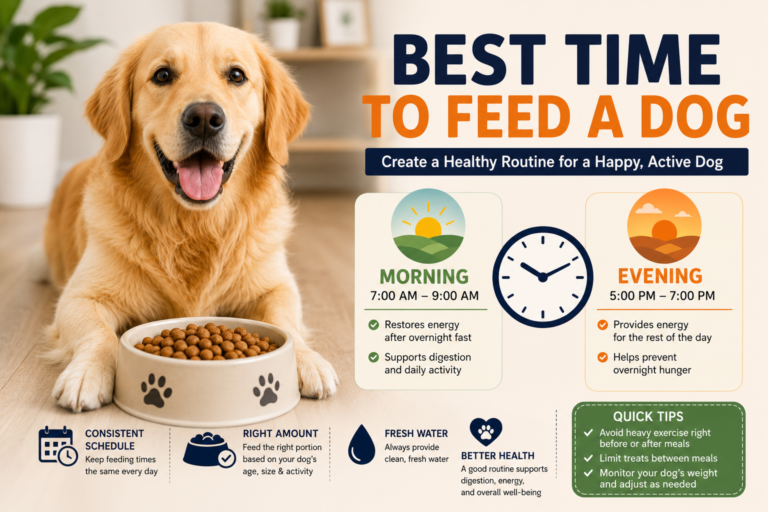
Most puppies need to eat three to four small meals a day when they are very young, then gradually eat fewer meals as they grow older. Frequent meals are helpful because puppies have small stomachs and need a lot of energy.
A regular feeding time can also help with:
- Creating a routine
- Keeping track of how much they eat
- Making house training easier
- Noticing any changes in eating habits
- Preventing overfeeding
Very small puppies may need to eat more often than older ones. It’s especially important to talk to a vet if your puppy is too thin, sick, or has low blood sugar.
Tips for Measuring Puppy Food
It’s easier to get the right amount of food when you measure it consistently.
Measure Food
Don’t Guess Use a measuring cup or even better, a kitchen scale when you need to be precise. Picking food casually from a big bowl can lead to different amounts each time.
Count Treats
Training treats also have calories. If you give a lot of treats during training, keep them small and include them in your puppy’s daily food plan. You can also use your puppy’s regular food as a treat.
Don’t Automatically Refill the Bowl
Some puppies will keep eating even if they’re full because food is there. Free-feeding can make it hard to tell how much your puppy is eating, especially during their fast-growing stage. Meal times help with keeping track of portions.
A Simple Puppy Feeding Plan
Here’s a simple schedule you can follow:
Morning
- Fresh water
- First measured meal
Midday
- Second measured meal if your puppy is still eating three or four meals
- Small treats if needed
Evening
- Last measured meal
- Fresh water
For younger puppies, add another meal according to their feeding plan. The exact amount should be from the food’s feeding instructions and adjusted based on your puppy’s growth and body condition.
What If My Puppy Won’t Eat?
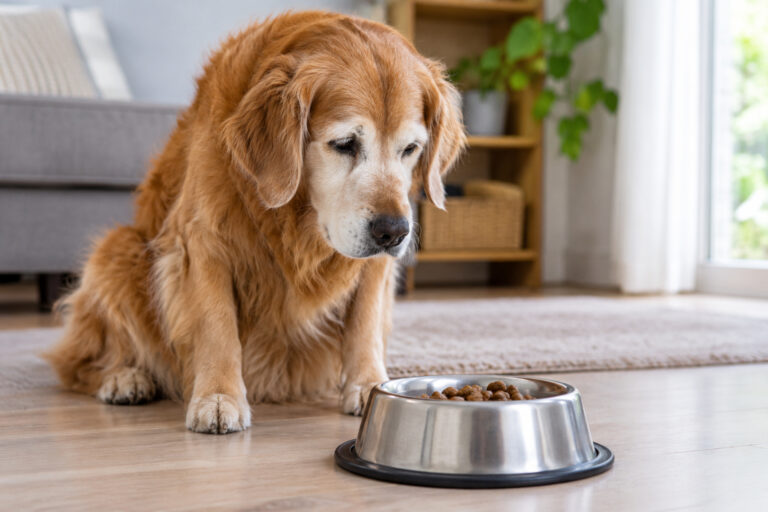
A short period of not eating is normal, but if a puppy refuses food, don’t ignore it.
Young puppies can get sick quickly, especially if they also have vomiting, diarrhea, seem very tired, or show other signs of being unwell.
Talk to your vet right away if your puppy:
- Won’t eat multiple meals.
- Seems very weak or tired.
- Vomits often or has diarrhea.
- Has a swollen or painful belly.
- Looks sick or weak.
- Is losing weight.
- Shows other worrying signs.
Very young or very small puppies need extra care because they have less energy to begin with.
Frequently Asked Questions
How much should I feed my puppy?
Start with the daily amount suggested on your puppy food based on their age and size. Split this into several meals, then check your puppy’s body condition and growth.If needed, your vet can help you adjust the amount.
How often should I feed a puppy?
Usually, young puppies require three to four meals per day. As they grow, many move to three meals, and eventually two.The best feeding schedule depends on the puppy’s age, breed size, and individual needs.
Can I feed my puppy once a day?
Feeding once a day is not usually the best approach for young puppies. They have small stomachs and high energy needs, so eating several times a day works better.
How can I tell whether my dog is getting enough food?
Look at your puppy’s body condition, weight, growth, appetite, and overall health. You should be able to feel their ribs without too much fat covering them, and they should stay in a healthy body condition.
Should I follow a puppy feeding chart?
Yes, a feeding chart can be a helpful starting point. But remember, charts aren’t tailored to each puppy. Use the instructions on the food label and adjust based on your puppy’s growth, body condition, and your vet’s advice.
How many cups of food should a puppy eat per day?
There’s no single number of cups that works for all puppies. Different foods have different calorie counts per cup, so use the feeding instructions for the specific brand you’re using instead of comparing cups between brands.
When should a puppy eat three meals a day?
Many puppies eat three meals daily during part of their growing years, often after weaning and before they move to two meals a day. The exact time depends on the puppy’s age, breed, size, and individual needs.
Can you overfeed a puppy?
Yes. Giving too much food can make your puppy gain too much weight and hinder healthy development.This is especially important for large and giant breeds, which need controlled growth.
When should puppies switch to adult food?
The timing depends on the breed size and how mature your puppy is becoming. Small dogs usually mature faster, while large and giant breeds may need puppy food longer.Talk to your vet to know when your puppy is ready for adult food.
Key Takeaways
A good feeding guide for puppies doesn’t use one set portion size. As your puppy grows, their feeding needs change.
Remember these basics:
- Choose food that’s complete and balanced for growth.
- Start with the feeding instructions on the food label.
- Divide the daily amount into meals that fit your puppy’s age.
- Use your puppy’s weight and body condition to decide on portions.
- Measure food instead of guessing.
- Limit treats and count their calories.
- Avoid changing food suddenly.
- Pay extra attention to nutrition for large and giant breeds.
- Keep an eye on your puppy’s growth.
- Talk to your vet if your puppy isn’t eating regularly or seems unwell.
Final Thoughts
Feeding a puppy well is more about building a routine that supports steady, healthy growth than finding the perfect number of cups. Your puppy’s feeding schedule, food portions, age, weight, breed size and health all matter.
Use the food label as your starting point, keep an eye on your puppy’s body condition, and adjust as their growth or activity level changes. When you’re unsure about how much to feed, what to feed, or when to change their food, your vet is the best person for personalized advice.
A consistent meal schedule and proper nutrition give your puppy a strong start during one of the most important periods of their life.