
Why Is My Dog Always Hungry?
If your dog is always hungry, it may be due to normal factors like growth, increased activity, or a diet that’s too low in calories or fiber. However, constant hunger can also be a sign of medical conditions such as diabetes, intestinal parasites, Cushing’s disease, or certain medications. If your dog’s appetite suddenly changes or is accompanied by weight loss, excessive thirst, vomiting, or other unusual symptoms, schedule a veterinary examination.
What Does It Mean When a Dog Is Always Hungry?
Most dogs enjoy eating, but there’s a difference between being food-motivated and being genuinely hungry all the time.
A dog always hungry may constantly:
- Beg for food
- Search through trash
- Steal food from counters
- Eat quickly
- Act hungry shortly after meals
- Follow family members into the kitchen
Sometimes this behavior is completely normal. In other cases, it may indicate an underlying health or nutrition issue.
Common Reasons Why Your Dog Is Always Hungry
If you’re asking, “Why is my dog always hungry?”, there are several possible explanations.
1. Your Dog Isn’t Eating Enough Calories
One of the simplest reasons is that your dog isn’t consuming enough calories for their size, age, or activity level.
Dogs that exercise more than usual or spend a lot of time outdoors may need additional energy.
Speak with your veterinarian before making significant changes to portion sizes.
2. Your Dog Is Still Growing
Puppies often seem hungry because their bodies are growing rapidly.
They typically require:
- More calories
- More frequent meals
- Nutrient-rich puppy food
A healthy appetite is normal during growth.
3. High Activity Level
Working dogs and highly active breeds burn more calories.
Examples include:
- Border Collies
- Labrador Retrievers
- Australian Shepherds
- Hunting dogs
- Sporting breeds
A very active dog may genuinely need more food than a less active pet.
4. Low-Fiber Diet
Fiber helps create a feeling of fullness after eating.
A diet with very little fiber may leave some dogs feeling hungry sooner between meals.
Never add supplements or significantly change your dog’s diet without veterinary guidance.
5. Learned Behavior
Some dogs quickly learn that begging results in treats.
If family members regularly reward begging with snacks or table scraps, the behavior often becomes a habit rather than a sign of true hunger.
6. Boredom
Dogs sometimes seek food simply because they’re bored.
A lack of:
- Exercise
- Play
- Mental stimulation
can lead to frequent food-seeking behavior.
Interactive toys, training sessions, and daily walks can help redirect this energy.
Medical Conditions That Can Cause Constant Hunger
Although many cases are harmless, persistent hunger sometimes points to a medical issue.
Diabetes Mellitus
Dogs with diabetes may develop:
- Increased appetite
- Increased thirst
- Frequent urination
- Weight loss
Despite eating more, they may continue losing weight because their bodies can’t use glucose properly.
Intestinal Parasites
Worms can interfere with nutrient absorption.
Common signs include:
- Increased appetite
- Weight loss
- Pot-bellied appearance (especially in puppies)
- Diarrhea
Regular parasite prevention is an important part of routine veterinary care.
Cushing’s Disease
Dogs with Cushing’s disease often experience:
- Increased appetite
- Increased thirst
- Frequent urination
- Panting
- Hair loss
This condition is more common in middle-aged and older dogs.
Hyperthyroidism
Although uncommon in dogs, hyperthyroidism may increase appetite while causing weight loss.
Medication Side Effects
Some medications can stimulate appetite.
Examples include certain:
- Steroids
- Anti-seizure medications
If your dog became unusually hungry after starting medication, discuss it with your veterinarian.
Never stop prescribed medication without professional advice.
Malabsorption Disorders
Certain digestive disorders reduce the body’s ability to absorb nutrients properly.
Even though your dog eats normally—or more than usual—they may still feel hungry.
Why Does My Dog Always Seem Hungry but Isn’t Losing Weight?
Many owners wonder why their dog always seems hungry even though their weight hasn’t changed.
Possible explanations include:
- Habitual begging
- Boredom
- Food competition in multi-dog households
- Highly palatable treats
- Learned attention-seeking behavior
If your dog maintains a healthy body condition and has no other symptoms, the behavior may not reflect true hunger.
Why Are My Dogs Always Hungry?
If my dogs are always hungry applies to more than one pet in your home, consider factors affecting the entire household, such as:
- Feeding schedule
- Portion sizes
- Food quality
- Increased activity
- Parasites shared among pets
If multiple dogs suddenly develop increased appetite, it’s worth discussing with your veterinarian.
How to Tell if Your Dog Is Truly Hungry
Not every request for food means your dog needs another meal.
Signs of genuine hunger may include:
- Finishing meals quickly
- Consistently licking an empty bowl
- Losing weight despite eating
- Increased appetite over several days
By contrast, a dog that only begs when people are eating may simply be hoping for a treat.
How to Deal With a Dog That Is Always Hungry
If you’re wondering how to deal with a dog that is always hungry, these practical steps can help.
1. Review Your Feeding Schedule
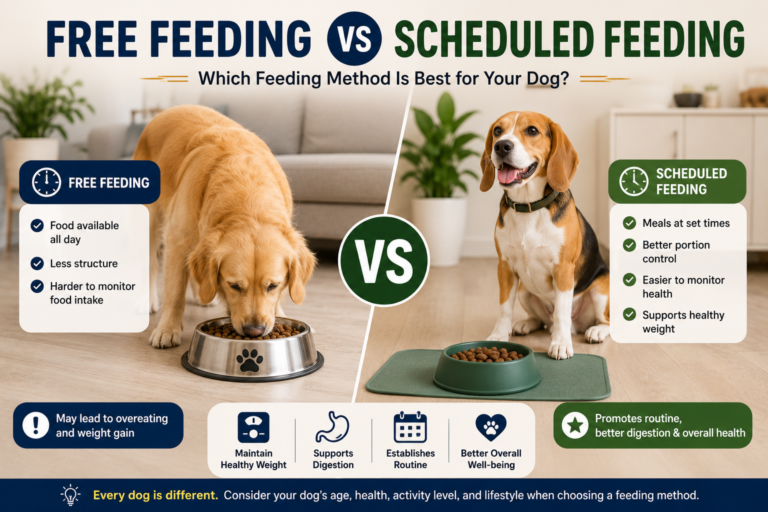
Many adult dogs do well with two meals per day.
Some highly active dogs or puppies may benefit from more frequent meals.
2. Measure Food Accurately
Avoid estimating portion sizes.
Use a measuring cup or kitchen scale to ensure consistent feeding.
3. Reduce Unnecessary Treats
Frequent treats can encourage constant begging while adding excess calories.
4. Increase Mental Stimulation
Food puzzles, scent games, and obedience training help satisfy your dog’s need for activity and reduce boredom-related food seeking.
5. Avoid Feeding From the Table
Giving human food during meals reinforces begging behavior.
Consistency from every family member is important.
6. Monitor Body Weight
Keep an eye on your dog’s:
- Weight
- Body condition
- Energy level
- Appetite
Unexpected changes may indicate an underlying problem.
When to Contact a Veterinarian
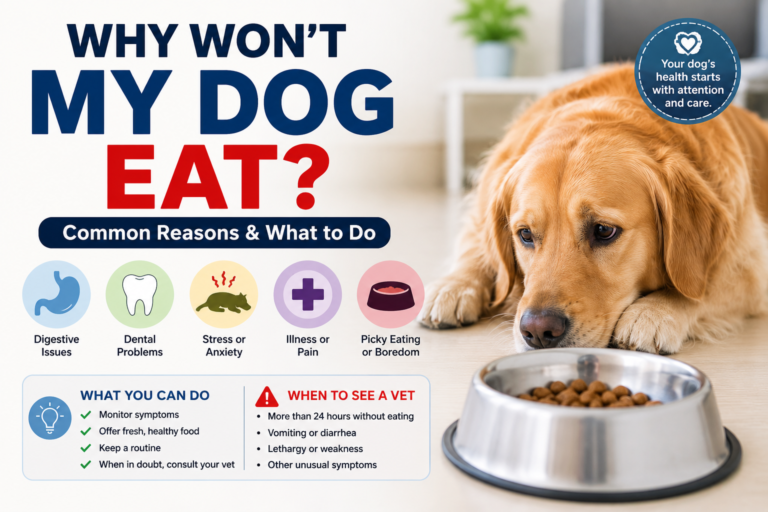
A veterinary examination is recommended if your dog:
- Is suddenly much hungrier than usual
- Loses weight despite eating more
- Drinks excessive amounts of water
- Urinates more frequently
- Vomits repeatedly
- Has persistent diarrhea
- Appears lethargic
- Has a swollen abdomen
- Shows behavioral changes
Early diagnosis often leads to better outcomes if an illness is present.
Common Mistakes Dog Owners Make
Assuming Every Hungry Dog Needs More Food
Increasing portions without understanding the cause may contribute to obesity.
Rewarding Constant Begging
Offering treats every time your dog asks teaches them that begging works.
Ignoring Weight Changes
A dog that’s eating more but losing weight should always be evaluated by a veterinarian.
Forgetting About Exercise
Dogs need physical activity as well as mental enrichment.
Bored dogs often appear hungry when they’re actually looking for something to do.
Changing Food Too Frequently
Constantly switching diets can create digestive upset and make feeding habits difficult to evaluate.
Frequently Asked Questions
Why is my dog always hungry?
A constantly hungry dog may be growing, highly active, eating too few calories, bored, or affected by a medical condition such as diabetes, intestinal parasites, or Cushing’s disease.
Is it normal for dogs to always seem hungry?
Some breeds are naturally food-motivated, and puppies often have larger appetites. However, sudden or excessive hunger should be discussed with a veterinarian.
Why does my dog always act hungry after eating?
Possible reasons include habitual begging, boredom, insufficient calorie intake, or certain medical conditions. Consider your dog’s overall health and body condition before increasing food.
Why is my dog always hungry but losing weight?
Eating more while losing weight can occur with diabetes, intestinal parasites, malabsorption disorders, and other illnesses. Veterinary evaluation is recommended.
How do I know if I’m feeding my dog enough?
Your veterinarian can help determine the appropriate calorie intake based on your dog’s age, weight, breed, body condition, and activity level.
Can worms make my dog constantly hungry?
Yes. Intestinal parasites may interfere with nutrient absorption, causing increased appetite despite normal food intake.
Can boredom make my dog seem hungry?
Absolutely. Dogs often seek food when they lack exercise or mental stimulation.
Should I give my dog more food if they’re always hungry?
Not necessarily. Increasing portions without identifying the underlying cause may lead to weight gain. If hunger is persistent, consult your veterinarian before changing the diet.
Which medications can increase appetite in dogs?
Certain corticosteroids and some anti-seizure medications may increase appetite. Always discuss side effects with your veterinarian.
When should I worry about my dog’s appetite?
Seek veterinary advice if increased hunger is accompanied by weight loss, excessive thirst, frequent urination, vomiting, diarrhea, lethargy, or any sudden change in behavior.
Key Takeaways
- Dog always hungry doesn’t always mean your dog needs more food.
- Growth, activity level, boredom, and learned begging behavior are common non-medical causes.
- Diabetes, intestinal parasites, Cushing’s disease, and medication side effects can also increase appetite.
- Monitor your dog’s weight, body condition, and overall behavior—not just their interest in food.
- Sudden changes in appetite or increased hunger combined with other symptoms should be evaluated by a veterinarian.
Final Thoughts
Many dogs love food, so an enthusiastic appetite isn’t always a reason to worry. However, if your dog is always hungry, it’s important to consider the bigger picture. Changes in diet, activity, and routine can all influence appetite, but persistent hunger may also be an early warning sign of an underlying health problem.
Rather than automatically offering larger meals, observe your dog’s body condition, energy level, and any additional symptoms. If the increased appetite continues, especially alongside weight loss, excessive thirst, or digestive problems, a veterinary examination is the safest way to determine the cause and ensure your dog stays healthy.