
Puppy Feeding Chart: How Much and How Often to Feed Your Puppy
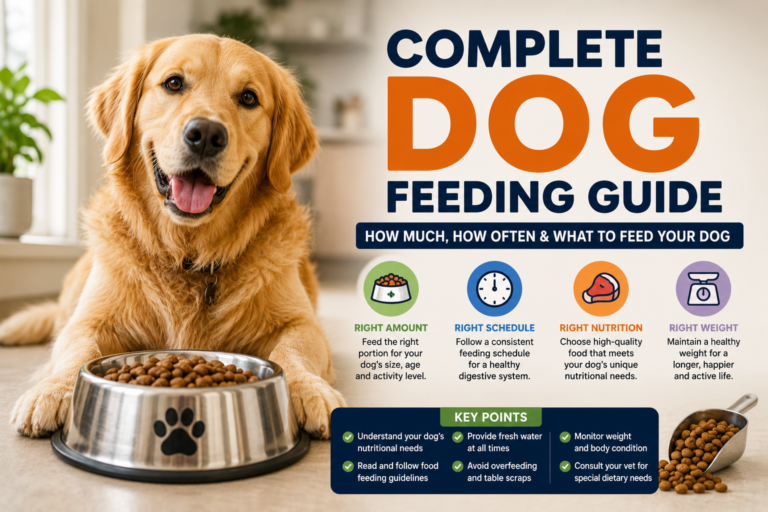
A puppy feeding chart can help you understand how often a growing puppy should eat and how their feeding needs change as they grow older and bigger. Puppies need to eat several small meals each day, especially when they are very young. The exact amount of food depends on the puppy’s age, weight, expected adult size, how active they are, their body condition, and how many calories are in the food.
Puppy Feeding Chart at a Glance
| Puppy Age | Meals Per Day | Recommended Food |
|---|---|---|
| 6–12 weeks | 4 meals | Complete puppy diet |
| 3–6 months | 3 meals | Complete puppy diet |
| 6–12 months | 2 meals | Complete puppy diet |
| Over 12 months* | 1–2 meals | Adult diet, depending on maturity |
The time when a puppy switches to adult food can vary a lot depending on their breed and expected adult size. Large and giant breeds may take longer to mature than small breeds.
This schedule is a general guide, but every puppy is different, so adjustments may be needed. Very small puppies, those with health issues, or those that aren’t gaining weight properly may need a special feeding plan from a vet.
What Is a Puppy Feeding Chart?
A puppy feeding chart is a guide that helps pet owners know how often and how much to feed a puppy during their growing stages.
A good feeding chart takes into account:
- Age
- Current weight
- Expected adult size
- Breed type
- Activity level
- Body condition
- Calorie content of the food
- Growth stage
- Health status
Puppies aren’t just small adult dogs. Their bodies grow quickly, so they need special food made to support their development.
Puppy Feeding Chart by Age
Age is a simple way to plan a feeding schedule. As puppies grow, they typically eat fewer meals, but still need proper nutrition for their development.
6–12 Weeks: 4 Meals a Day
At this age, puppies are still very young and have small stomachs. Eating four small meals a day can help them stay full and get the right amount of food.
A simple feeding schedule could be:
- Breakfast
- Late morning meal
- Afternoon meal
- Evening meal
Use a complete puppy food and split the daily amount into four smaller portions instead of giving all the food at once.
3–6 Months: 3 Meals a Day
Between 3 and 6 months, many puppies can move to three meals a day.
For example:
| Time | Meal |
|---|---|
| Morning | ⅓ of daily food |
| Afternoon | ⅓ of daily food |
| Evening | ⅓ of daily food |
The total amount should follow the feeding instructions on the food and be adjusted based on the puppy’s growth and body condition.
6–12 Months: 2 Meals a Day
Around 6 months, many puppies can start eating two meals a day.
A common routine is:
- Morning meal
- Evening meal
But not all puppies should switch to adult food at 12 months. Small dogs may mature earlier, while large and giant breeds can still be growing for a long time.
Puppy Feeding Chart by Weight
Weight can help figure out how much food a puppy needs, but it’s not the only factor. Two puppies that weigh the same can have very different food needs if they are different breeds, different ages, or eating different foods.
A better way to feed your puppy is by looking at several factors:
| Factor | Why It Matters |
|---|---|
| Current weight | Helps estimate nutritional and calorie needs |
| Age | Growing puppies have changing energy requirements |
| Expected adult size | Large breeds have different growth considerations |
| Food calories | One cup of one food may contain very different calories from another |
| Body condition | Helps determine whether the puppy is too thin or gaining excessive weight |
| Activity | Active puppies may need different amounts |
| Health | Medical conditions can change nutritional needs |
How Much Should I Feed My Puppy?
The best starting point is to check the feeding chart on your puppy food package to find the recommended amount based on your puppy’s weight and life stage. Then divide that total amount into the right number of meals.
For example, if the food manufacturer recommends 1½ cups of food per day for your puppy:
- 4 meals → about ⅜ cup per meal
- 3 meals → ½ cup per meal
- 2 meals → ¾ cup per meal
These numbers are simply examples of dividing a daily amount. They aren’t universal feeding recommendations.
A More Accurate Way to Estimate Puppy Calorie Needs
Some vet resources use resting energy requirements (RER) as a starting point for figuring out how many calories your puppy needs.
The common formula is:
RER = 70 × body weight in kg^0.75
These are starting points, not exact numbers, and your puppy’s needs can be different. For this reason, calorie calculations shouldn’t replace watching your puppy grow and talking to your vet about any unusual growth.
Does Puppy Size Affect How Much Food They Need?
Yes.
The size of your puppy and how big they are expected to grow can affect what they need to eat and what kind of food to choose.
Small-breed puppies may have different energy needs from large-breed puppies. Large and giant breeds also need to be fed carefully because too much food and the wrong minerals can affect their bone development. For large and giant breeds, choose a complete and balanced growth formula made for bigger dogs.
Small-Breed Puppies
Small puppies may need more frequent meals, especially when they are very young. Their small stomachs make it helpful to split their food into smaller meals.
Medium-Breed Puppies
Medium puppies usually follow the standard feeding patterns based on age, though individual needs may vary.
Large- and Giant-Breed Puppies
These puppies require special attention to their growth and nutrition. Feeding too much isn’t the best way to help a large breed puppy “grow faster.”
How to Choose the Right Puppy Food
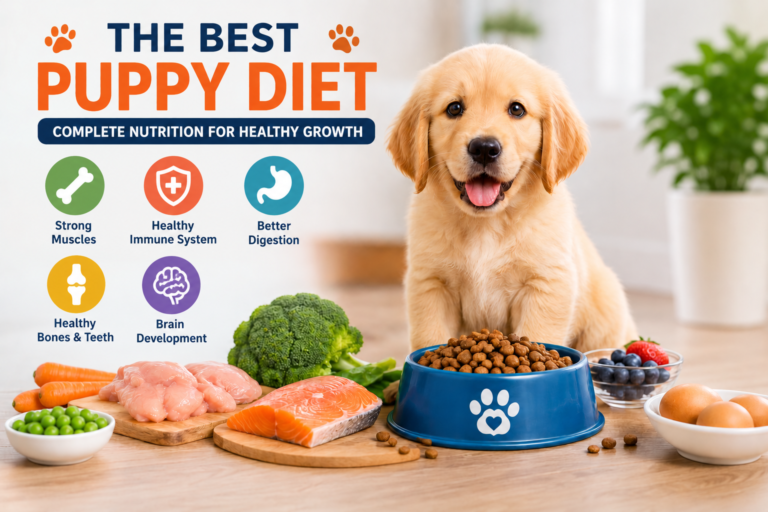
A feeding schedule only works if the food is right for a puppy’s growth. Look for food that is complete and balanced for the puppy’s life stage.
Check the label for these:
- What life stage the food is for
- The nutritional adequacy statement
- How much to feed
- Calorie information, if it’s there
- If it’s suitable for your puppy’s expected adult size
Never add extra calcium or vitamins to a complete puppy diet unless your vet says it’s needed. Too much can be bad, especially during growth.
Common Puppy Feeding Mistakes
1. Feeding Too Much
More food doesn’t always mean better growth. Overfeeding can lead to too fast growth and unwanted weight.
2. Using One Chart for All Brands
A cup of food isn’t the same in calories for every brand. Different foods have different calorie amounts.
3. Ignoring Body Condition
A puppy can be eating the “recommended” amount but still need changes.
4. Free-Feeding Without Guidance
Leaving food out all day makes it hard to know how much your puppy eats and might cause them to eat too much.
5. Changing Food Suddenly
Big changes can upset your puppy’s digestion. It’s better to switch food slowly.
6. Giving Unnecessary Supplements
A complete and balanced puppy food doesn’t need extra calcium or vitamins unless your vet says so.
Tips for Creating a Puppy Feeding Schedule
Having a regular feeding routine makes life easier for both you and your puppy.
Try to:
- Feed meals around the same times each day
- Measure food instead of just guessing
- Divide food based on your puppy’s age and needs
- Keep fresh water available
- Check weight and body condition often
- Count treats as part of the total food you give
- Change portions when your puppy’s growth or body condition changes
- Start with the manufacturer’s feeding directions as a guide.
Key Takeaways
- A puppy feeding chart is a helpful guide, not something you have to follow exactly.
- Puppies often need to eat more often when they’re very young.
- A common feeding plan is four meals a day between 6 and 12 weeks, three meals a day from 3 to 6 months, and two meals a day from 6 to 12 months.
- The amount of food depends on the specific food’s calorie content and the feeding instructions on the package.
- How much a puppy eats should change as they grow.
- The size of the breed is important, especially for large and giant breeds.
- Talk to a vet if your puppy isn’t eating well, not gaining weight, or has ongoing health or digestion issues.
Frequently Asked Questions
How much should I feed my puppy?
Start by using the feeding instructions on a complete and balanced puppy food, based on your puppy’s age and weight. Split the daily amount into meals, and adjust as needed based on how they grow, how they look, and advice from a vet.
How often should puppies eat?
A general plan is four meals a day from 6 to 12 weeks, three meals a day from 3 to 6 months, and two meals a day from 6 to 12 months. Some small breeds may need a different schedule.
Should puppy feeding amounts change with age?
Yes. Puppies have different nutritional and energy needs as they grow.They also usually eat less often as they get older.
Does the size of the puppy affect how much food they need?
Yes. Small, medium, large, and giant breeds can have different growth patterns and needs. Large and giant breeds require special attention to grow properly and need a suitable growth diet.
Can I give my puppy treats while following a feeding chart?
Yes, but treats have calories. If you’re giving many treats during training, remember to include them in your puppy’s total food intake.
Should I give my puppy calcium supplements?
Usually not, if they are eating a complete and balanced puppy food. Extra calcium and other supplements can be harmful during growth, so only use them if a vet recommends it.
Final Thoughts
A good puppy feeding chart should make feeding easier, not turn your puppy’s food into a fixed set of rules. Age is a good starting point for how often to feed, but weight, expected adult size, food calories, how fast they’re growing, and how they look are important for figuring out how much to feed.
The best way is to use the feeding directions on your puppy food, measure food consistently, watch for growth and how they look, and change the feeding plan when needed. For large-breed puppies, puppies with special growth needs, or puppies with health concerns, it’s especially important to get advice from a vet.