
Best Diet for Puppies: A Complete Guide to Puppy Nutrition and Feeding
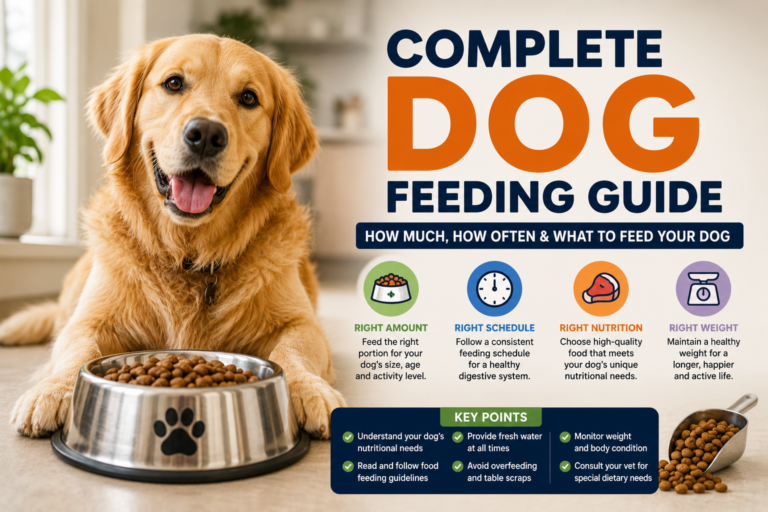
Best puppy diet is one that is complete and balanced, designed to support growing puppies with the right mix of protein, fat, vitamins, minerals and calories. Puppies have different nutritional needs than adult dogs because they grow quickly and their food should help them develop properly without causing them to gain weight too fast.
Choosing the right food is important, but how much and how often you feed your puppy, their expected adult size and how well you monitor their growth all play a role.
What is the best diet for puppies?
The best diet for puppies is one that is complete and balanced for growth and is suitable for their expected adult size. For large and giant-breed puppies, the food should be specially formulated to meet their growth needs.
A good puppy diet should provide:
- Enough high-quality protein to help build muscle and tissues
- Appropriate amounts of fat for energy and development
- Essential vitamins and minerals
- The right levels of calcium and phosphorus for healthy bones
- Enough calories to support growth without overfeeding
- Nutrients that help with normal brain, immune, and bone development
- A nutritional adequacy statement showing the food is made for growth
Puppies should generally stay on a growth diet until they are fully grown. The time it takes for them to mature depends on their breed and adult size.
Quick tip: A healthy puppy diet isn’t just about high protein or the longest list of ingredients. It should be a complete and balanced growth diet that’s fed the right amount based on the puppy’s age, size, growth rate, and body condition.
Why puppy nutrition is different from adult dog nutrition
Puppies are not just small adult dogs.
In the first few months of life, they are building up their muscles, bones, organs, and other structures, which means they have higher nutritional needs than adult dogs. Growth diets are made to give higher nutrient content to meet these needs, but this doesn’t mean more is always better.
Feeding too many calories can make a puppy gain weight too fast, which can cause problems with their bones and joints, especially in larger breeds. Better to have steady, controlled growth instead of trying to make them grow very fast.
Key nutritional needs for puppies
A balanced puppy diet should include:
- Protein: Helps build muscles, organs, skin, and other tissues
- Fat: Provides energy and necessary fatty acids
- Calcium and phosphorus: Needed for bone and teeth development, but in the right amounts
- Vitamins and minerals: Help the body work properly and support growth
- Calories: Puppies need enough energy to grow, but too many can cause unhealthy weight gain
Because complete and balanced puppy foods are already made with these needed nutrients, adding extra supplements isn’t always helpful. In fact, adding extra calcium or other minerals, especially in large breeds, can be bad and even harmful.
How to choose the best puppy food
Choosing the right puppy food can be confusing because the labels have a lot of information. Start by looking at the nutritional adequacy statement instead of just checking the ingredient list.
1. Look for food made for growth
Find a food that says it is complete and balanced for growth or meets the required nutritional standards for growing dogs.
2. Consider your puppy’s expected adult size
This is especially important for large and giant breeds. Their food should be specially made for large-size growth, if needed by the nutritional standards.
3. Don’t choose food just based on the ingredient list
While ingredients are important, the ingredient list alone doesn’t tell you if the food is complete and balanced for growing puppies.
Instead, think about:
- Nutritional adequacy statement
- Intended life stage
- Expected adult size
- Feeding instructions
- Calorie density
- Manufacturer’s quality-control practices
- Your veterinarian’s recommendations, especially if your puppy has special need
4.Consider your puppy’s unique needs
A healthy Labrador puppy and a tiny Chihuahua puppy might need different feeding plans.
Your puppy’s eating plan might need to change based on:
- Age
- Breed or future adult size
- Current weight
- Body condition
- Growth speed
- Activity level
- Whether they’re spayed or neutered
- Any health problems
- Food allergies or intolerances
What Foods Are Bad for Puppies?
Some foods are harmful to dogs, and puppies can be especially sensitive because they’re small.
Foods and items dogs shouldn’t eat include:
- Chocolate
- Grapes and raisins
- Onions, garlic, and other Allium plants
- Products with xylitol
- Alcohol
- Very fatty or heavily seasoned foods
- Certain human medicines
- Raw yeast dough
Puppies shouldn’t eat spoiled food, trash or anything they find on their own. If a puppy eats something that could be poisonous, call a vet or a pet poison center right away, not wait for symptoms.
Are Homemade Diets Good for Puppies?
Making your own food for puppies needs to be done with care.
Puppies need exact amounts of different nutrients to grow properly. A diet that seems healthy might not have the right balance of important nutrients. It’s very important to get advice from a vet if you’re making your own food for your puppy. For most pet owners, using a properly made complete and balanced puppy food is a simpler way to meet those nutritional needs.
Can Puppies Eat Raw Food?
Raw diets are sometimes advertised as a natural choice for dogs, but they aren’t automatically better or nutritionally complete. Nutritional balance is especially important for puppies because they’re still growing. If you’re thinking about a raw or homemade diet, talk to your vet or a veterinary nutritionist before making it your puppy’s main food.
Common Puppy Feeding Mistakes
Even people who choose good puppy food can make feeding mistakes by accident.
1. Overfeeding
Faster or healthier growth is not a result of eating more. Too much food can be especially bad for large breed puppies.
2. Adding extra supplements
A complete and balanced puppy food already has all the nutrients needed for growth. Adding calcium or other supplements without a vet’s advice might cause an unbalanced diet.
3. Feeding adult food too early
Adult food isn’t made for growing puppies and doesn’t meet their specific nutritional needs.
4. Changing food quickly
Making big changes in diet can cause stomach problems like vomiting, diarrhea, or loss of appetite. Slow changes are easier on the digestive system.
5. Ignoring treats and extras
Treats, snacks, table scraps, and toppings all add up to total calorie intake.
6. Feeding based only on how much a puppy eats
A puppy that keeps asking for food isn’t always hungry. Use body condition, growth, measured portions, and vet advice instead of just how much the puppy eats.
7. Treating all puppies the same
A 4 month-old Chihuahua and a 4 month-old Great Dane have very different growth patterns and nutritional needs.
How Do I Choose the Best Puppy Food?
Use this simple checklist
Puppy food checklist
- Life stage: Is it made for growing puppies?
- Size: Is it right for your puppy’s future size?
- Nutritional adequacy: Does the label say it’s complete and balanced?
- Calories: Are the calories right for your puppy?
- Feeding directions: Are the feeding instructions clear?
- Individual needs: Does your puppy have any allergies, food sensitivities, or health issues?
- Quality control: Does the brand provide good information about their food and safety?
- Veterinary advice: Does the food make sense for your puppy’s health and situation?
Remember, just looking at the ingredients isn’t enough to know if a food is good for a growing puppy.
Key Takeaways
- The best puppy food gives all the nutrients needed for growth.
- Puppies need different kinds of food than adult dogs because they are growing quickly.
- Big and giant breed puppies need special food to help them grow properly.
- Feeding too much can cause fast growth and unhealthy weight gain.
- Give measured food and watch your puppy’s weight and shape.
- Young puppies usually eat several meals a day.
- Don’t add extra calcium or vitamins unless a vet says it’s necessary.
- Homemade and raw diets need careful planning to be healthy.
- Puppies should switch to adult food when they’re fully grown, which depends on their breed and size.
- When you change food, do it slowly to avoid stomach problems.
Frequently Asked Questions
1. What is the best diet for a puppy?
The best food for a puppy is one that’s complete and balanced for growth and matches their expected adult size. It should have enough protein, fat, vitamins, and minerals, but not too many calories to cause weight gain.
2. What is the healthiest food for a puppy?
The healthiest food is one that’s nutritionally complete and balanced for growth and fits your puppy’s size and specific needs. Don’t pick food only because of nice labels or popular ingredients.
3. Do puppies need special puppy food?
Yes, puppies have different needs than adult dogs. A food made for growth is usually best until they’re fully grown. Large and giant breed puppies may need food that’s made for their size.
4. Can puppies eat adult dog food?
Adult food isn’t good for puppies because it may not have the right food for growing. Puppies should eat food made for growth or a food that works for all life stages.
5. How often should puppies eat?
Many puppies between 4 to 6 months old eat three meals a day, while 6 to 12 months old often eat twice a day. Very small puppies might need more meals.
6. When should puppies switch to adult food?
The timing depends on the breed and size. Small dogs may grow up around 6 to 8 months, medium dogs around 9 to 12 months, large dogs around 12 to 18 months, and giant breeds might take 18 to 24 months.A vet can help find the right time.
Final Thoughts
A healthy puppy diet is more than just choosing the right bag of food.
The correct diet gives your puppy all the nutrients it needs to grow properly, while proper serving sizes and feeding times help it grow steadily and stay healthy. Pick food that is good for its age, size, and expected adult weight, not just what the package says.
Keep an eye on your puppy’s weight, how it looks overall, how much it eats, its bathroom habits, and how it develops.If you notice anything strange or if you’re unsure about adding supplements, making your own food, dealing with allergies, or changing brands, your vet can help create the best feeding plan for your puppy.