Wet vs Dry Dog Food: Which Is Better for Dog?
Navigating the pet food aisle can feel overwhelming. With hundreds of options ranging from crunchy kibble bags to gourmet canned stew, choosing between wet vs dry dog food is one of the most critical decisions a pet parent makes.
Both formats can deliver complete and balanced nutrition if they meet guidelines set by the Association of American Feed Control Officials (AAFCO). However, differences in moisture levels, price, shelf life, and ease of eating mean each option serves distinct roles especially when building a puppy feeding routine or supporting a senior dog.
Comparing Wet and Dry Dog Food
The primary distinction between wet and dry food comes down to water content. Dry kibble averages around 10% moisture, while canned wet food contains 75% to 78% water. This difference impacts everything from daily calorie density to hydration and wallet friendliness.
| Feature | Dry Dog Food (Kibble) | Wet Dog Food (Canned/Pouch) |
| Moisture Content | Low (~10%) | High (~75%–78%) |
| Unopened Shelf Life | 12 to 18 months | 2 to 5 years |
| Opened Shelf Life | Several weeks (cool, dry place) | 2 to 3 days (refrigerated) |
| Cost Per Serving | Economical | Higher |
| Palatability | Moderate | Very high (rich aroma & flavor) |
| Dental Impact | Mild mechanical plaque scraping | Soft texture; clings to teeth |
| Ideal For | High energy, budget control, puzzle toys | Picky eaters, urinary care, dental pain |
The Case for Dry Dog Food
Dry kibble is manufactured using an extrusion process where meat, grain, and vegetable ingredients are blended, cooked under heat and pressure, shaped into bites, and dried.
Key Benefits of Kibble
-
Budget-Friendly: Kibble offers the lowest cost per calorie, making it the practical choice for large breeds or multi-dog households.
-
Storage Simplicity: Dry food requires no refrigeration after opening. You can store it in an airtight container for weeks without losing freshness.
-
Mental Enrichment: Kibble fits perfectly into snuffle mats, slow feeders, and interactive puzzle toys to keep dogs mentally stimulated during mealtime.
-
Mild Dental Support: The natural crunch provides mild surface scraping against tooth enamel, helping reduce soft plaque buildup when paired with regular oral care.
Potential Drawbacks
-
Low Moisture: Dogs on strict dry food diets must drink plenty of fresh water independently to stay hydrated.
-
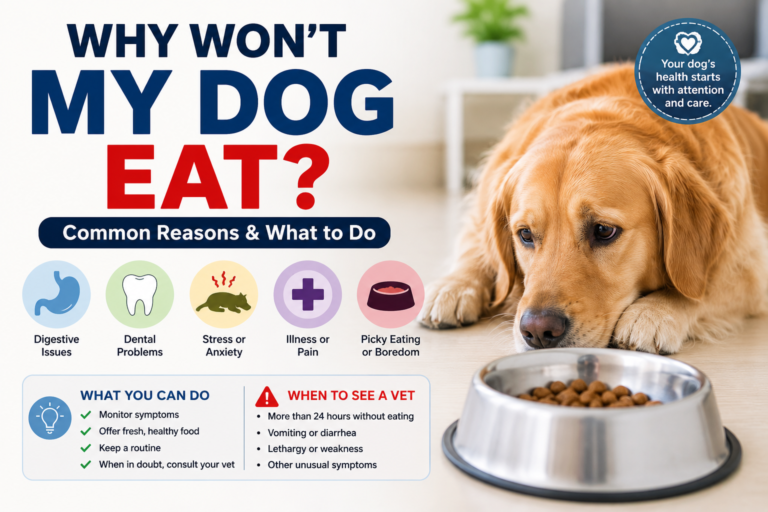
Lower Aroma: Kibble lacks the intense scent that appeals to sick, elderly, or selective eaters.
-
Hard Texture: Young puppies losing baby teeth or dogs with dental disease may find crunching kibble uncomfortable.
The Case for Wet Dog Food
Wet food is prepared by mixing ingredients, sealing them into airtight cans, trays, or pouches, and cooking them under high heat to sterilize the contents naturally without synthetic preservatives.
Key Benefits of Wet Food
-
High Hydration: The elevated water content supports kidney function and urinary tract health-crucial for dogs prone to bladder stones or low water intake.
-
High Palatability: Tender meat chunks and rich gravies release strong scents that entice fussy eaters and dogs with a diminished sense of smell.
-
Weight Management: High moisture adds physical volume to the meal without adding extra calories, helping dogs feel full on fewer calories.
-
Easy to Chew: Soft textures require minimal chewing effort, providing immediate relief for puppies, seniors, or dogs with sore gums and missing teeth.
Potential Drawbacks
-
Higher Price: An exclusive wet food diet can cost three to four times more than a comparable kibble diet.
-
Short Bowl Life: Once served, wet food spoils within 1 to 2 hours at room temperature.
-
Refrigeration Needed: Opened cans must be covered, stored in the fridge, and used within 48 to 72 hours.
Puppy Feeding Schedule by Age
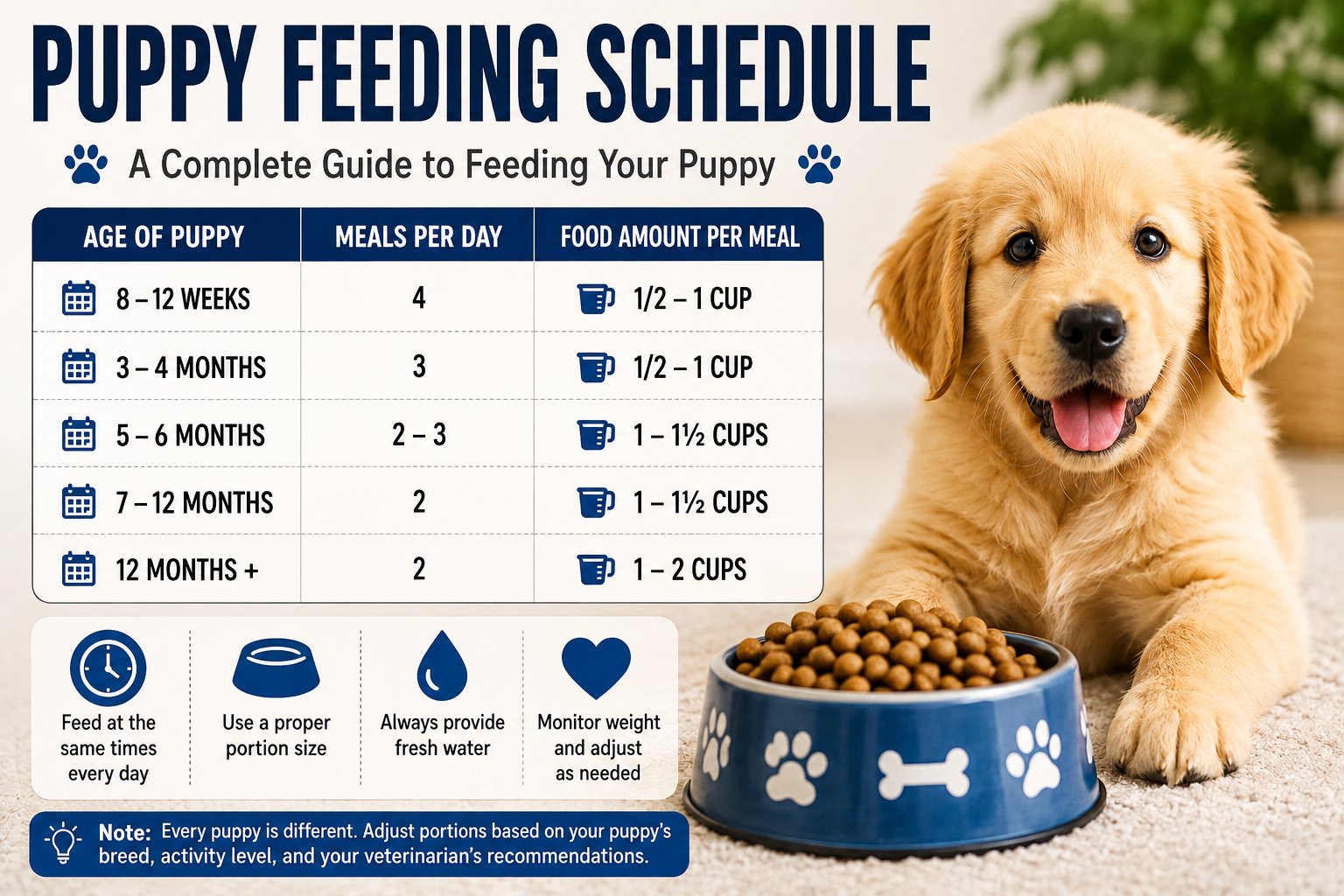
Building a reliable puppy feeding routine helps regulate digestion, keeps blood sugar stable, and simplifies potty training.
-
6 to 12 Weeks Old (4 Meals/Day): Newly weaned puppies need small, frequent meals every 3 to 4 hours to prevent hypoglycemia.
-
3 to 6 Months Old (3 Meals/Day): As stomach capacity increases, scale back to three structured meals daily (breakfast, lunch, and dinner).
-
6 to 12 Months Old (2 Meals/Day): Transition to two daily meals. Giant breeds may remain on puppy formulas for up to 18 to 24 months.
Wet vs Dry Food Schedules for Puppies
-
Wet Food Feeding Schedule for Puppies: Soft canned food is gentle on delicate baby teeth during weaning (6–8 weeks). Because wet food spoils quickly, serve exact portions and pick up the bowl after 20 minutes.
-
Dry Food Feeding Schedule for Puppies: Soaking kibble in warm water or puppy milk replacer creates a soft mash that eases the transition to solid food. Dry kibble is ideal for training rewards throughout the day.
Determining Puppy Portion Size and Daily Food Intake
Calculating the correct puppy portion size depends on adult expected weight, current weight, and activity level. Always consult the packaging feeding chart as a starting baseline, then adjust based on body condition.
| Puppy Weight (lbs) | Estimated Daily Kibble Amount* | Daily Calories (kcal)* | Recommended Meal Split |
| 5–10 lbs | 1/2 to 1 cup | 200–350 kcal | 3 to 4 meals |
| 10–20 lbs | 1 to 1 3/4 cups | 350–600 kcal | 3 to 4 meals |
| 20–40 lbs | 1 3/4 to 3 cups | 600–1000 kcal | 3 meals |
| 40–60 lbs | 3 to 4 1/4 cups | 1000–1400 kcal | 2 to 3 meals |
| 60–80 lbs | 4 1/4 to 5 1/2 cups | 1400–1800 kcal | 2 meals |
*Note: Amounts vary by brand density and energy levels. Always check specific food guidelines and consult your vet.
To monitor whether your puppy daily food intake is appropriate, feel their sides. You should easily feel but not clearly see-their ribs, and they should maintain an observable waistline when viewed from above.
Best Practices for Mixed Feeding
You don’t have to choose exclusively between wet and dry food. Combining both-known as mixed feeding-gives your dog the dental and financial perks of kibble along with the hydration and rich flavor of canned food.
-
Calculate Total Calories First: Avoid simply piling wet food on top of a full kibble serving. Reduce kibble volume proportionally to account for the calories in the wet topper.
-
Mix with Warm Water: Adding a splash of warm water to kibble mixed with a spoon of wet food creates an aroma-rich gravy that picky dogs love.
-
Transition Slowly: Introduce new food formulas over 7 to 10 days by gradually increasing the ratio of new food to prevent digestive upset.
Frequently Asked Questions
Is wet food bad for a dog’s teeth compared to dry food?
Wet food is not inherently bad for teeth, though its soft consistency allows food particles to cling to the gumline more easily than dry kibble. However, kibble alone does not prevent dental disease. Daily toothbrushing, dental chews, and regular veterinary cleanings remain essential regardless of diet choice.
Can I mix water into dry kibble instead of buying wet food?
Yes. Adding warm water or low-sodium bone broth to dry kibble softens the texture, releases rich aromas, and boosts hydration at a fraction of the cost of canned food.
How long can wet food safely stay in a dog’s bowl?
Discard uneaten wet food after 2 hours at room temperature. In warm weather or outdoor settings, pick up the bowl after 30 minutes to prevent bacterial contamination.
Should puppies eat wet or dry food for optimal growth?
Puppies can thrive on wet food, dry food, or a mix of both, provided the label states the formula is balanced for “Growth” or “All Life Stages.” Kibble helps with crunching and training, while wet food provides high palatability and easy chewing during teething.
How do I know if I am feeding my puppy the right meal portions?
Evaluate your puppy’s physical shape rather than relying solely on bag estimates. Your puppy should have a visible waist when viewed from above and a slight abdominal tuck from the side. Adjust daily meal portions up or down by 10% if they appear too thin or heavy.
Key Takeaways
-
Nutrition first: Both wet and dry formulas offer complete nutrition when certified by AAFCO standards for your dog’s specific life stage.
-
Match needs to features: Choose dry kibble for affordability, convenience, and mental enrichment; choose wet food for hydration, taste appealing to picky eaters, and soft textures for dental care.
-
Structure puppy routines: Maintain age-appropriate puppy feeding schedules (4 meals for young pups, tapering down to 2 meals by 6 months) to sustain steady growth.
-
Balance mixed diets: Combine wet toppers with dry kibble to enhance flavor and hydration while keeping monthly pet food costs manageable.