
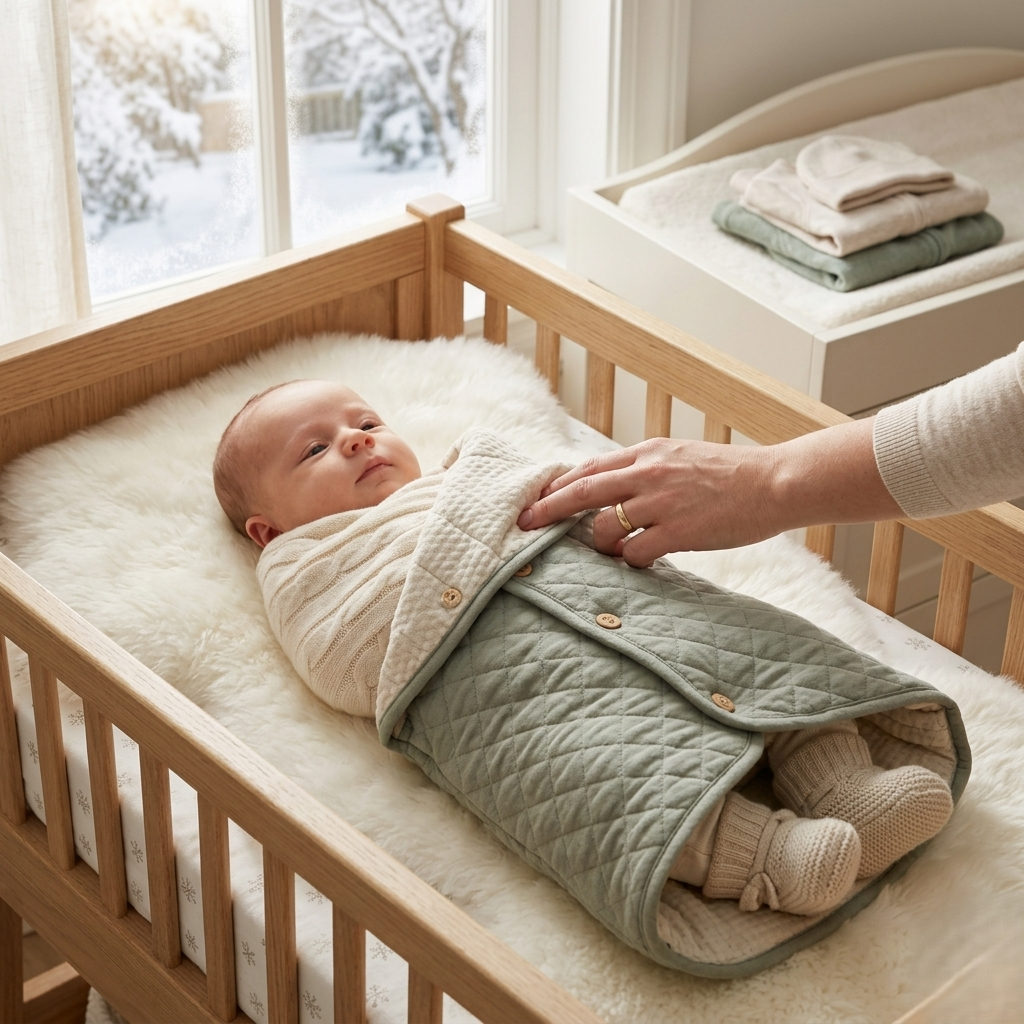
How to Dress a Newborn in Winter: The Ultimate In-Depth Guide for Parents
Bringing a newborn home during the colder months feels magical, yet it also comes with real challenges. One of the biggest concerns parents face is how to dress a newborn in winter properly without causing discomfort or risk.
Because newborns have delicate skin and limited ability to regulate their body temperature, you must make thoughtful choices about clothing. At the same time, balancing warmth and safety requires more than guesswork—it requires knowledge.
So, in this comprehensive guide, you will learn not only how to dress a newborn for winter, but also how clothing connects to your baby’s development, comfort, and daily routine.
Understanding Why Winter Dressing Is So Important
How to Dress a Newborn in Winter. To begin with, newborns lose heat much faster than adults. Their small bodies and thin skin make them vulnerable to temperature changes. Therefore, dressing them correctly becomes essential for maintaining a stable body temperature.
On the other hand, overheating can be just as dangerous. That is why learning how to dress winter newborn correctly helps you avoid both extremes.
-
In short, your goal is simple:
Keep your baby warm
Prevent overheating
Ensure comfort throughout the day
The Science Behind Baby Temperature Regulation
Unlike adults, newborns cannot shiver effectively. Instead, they rely on external warmth. Additionally, their bodies use energy to stay warm, which can affect feeding and sleep.
This is why proper clothing plays a direct role in:
Healthy growth
Better sleep patterns
Reduced stress
The Golden Rule: Layering Your Newborn
When it comes to mastering how to dress a newborn for winter, layering stands as the most effective strategy.
Why Layering Works
Layering allows flexibility. You can easily add or remove clothing based on temperature changes, whether you are indoors or outdoors.
Ideal Layering Structure
1. Base Layer
Soft cotton onesie
Keeps skin dry and comfortable
2. Middle Layer
Footed pajamas or sleepers
Adds warmth without bulk
3. Outer Layer
Sweater or fleece outfit
Protects against cold air
4. Accessories
Hat
Mittens
Socks
As a result, layering ensures your baby stays comfortable throughout the day.
Indoor vs Outdoor Dressing: What Changes?
Indoor Dressing
How to Dress a Newborn in Winter. Inside your home, temperatures usually remain stable. Therefore, keep clothing light and breathable.
Recommended:
Onesie
Sleep sack
Avoid overdressing indoors, as overheating may disturb sleep.
Outdoor Dressing
When heading outside, you need extra protection.
Essentials:
Warm outerwear
Covered extremities
Blanket for stroller
However, avoid bulky jackets in car seats, as they interfere with safety harnesses.
How Many Newborn Outfits Do You Need?
A very common question parents ask is:
how many newborn outfits do i need?
The answer depends on your lifestyle, but generally:
6–8 bodysuits
5–7 sleepers
2–3 warm outfits
Similarly, if you wonder how many outfits does a newborn need, remember that newborns require frequent outfit changes due to spills and diaper leaks.
Therefore, having extra clothing saves time and stress.
Baby Size Chart for Clothes Learning how to dress a newborn in winter : Choosing the Right Fit
Selecting the correct size plays a crucial role in comfort.
Basic Baby Size Chart for Clothes
Newborn: 5–8 lbs
0–3 months: 8–12 lbs
However, babies grow quickly. So, avoid overbuying newborn sizes and include slightly larger outfits.
Seasonal Wardrobe Planning how to Dress a Newborn in Winter
Instead of buying randomly, plan your baby’s winter wardrobe carefully.
Must-Have Items:
Bodysuits
Sleepers
Swaddles
Warm hats
Socks
Even though you may come across larger sizes like 5t dresses, focus on newborn essentials first.
Special Winter Outfits for Babies
Dressing your baby can also be fun and memorable.
Popular Choices:
newborn santa claus outfits for holidays
newborn rabbit outfit for photos
newborn monster outfit for playful themes
Additionally, newborn photo session outfits should prioritize comfort while still looking adorable.
Baby Gear That Supports Comfort and Development
Clothing alone does not define your baby’s comfort. The right gear enhances their experience.
Recommended Items:
babies play gym mat for safe indoor play
baby Einstein hap discovery radio toy radio with music for sensory stimulation
Parents often ask:
when can baby use skip hop activity center?
Most babies can use it around 4 months, once they develop strong neck control.
Feeding Essentials: Preparing for Daily Needs
Another important question:
how many baby bottles do i need?
Typically:
4–6 bottles for breastfeeding support
6–8 for formula feeding
Having enough bottles ensures smooth feeding routines, especially during cold nights.
Free Baby Resources Worth Exploring
Many brands support new parents. For example, the pampers free baby box offers useful starter items like diapers and wipes.
Baby Development and Clothing Comfort
Interestingly, how you dress your baby also connects to their development.
First Sense a Baby Develops
You might wonder:
What is the first sense a baby develops?
The answer is touch, and it begins much earlier than most parents expect. In fact, touch starts developing while the baby is still in the womb, making it the first sense a baby develops. By around 7–8 weeks of pregnancy, a baby can already respond to tactile stimulation, especially around the face. As the pregnancy progresses, this sensitivity spreads to other parts of the body, allowing the baby to experience the world through physical sensation even before birth.
Because touch plays such a foundational role, it directly influences a newborn’s sense of safety, comfort, and emotional bonding. For example, gentle skin-to-skin contact immediately after birth helps regulate the baby’s temperature, heart rate, and breathing. At the same time, it strengthens the emotional connection between parent and child.
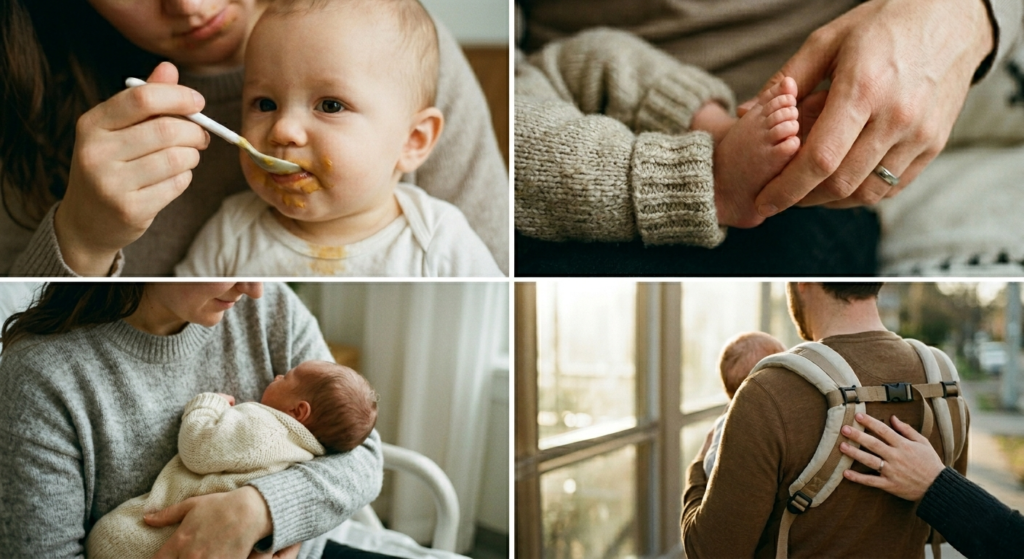
Therefore, when considering how to dress a newborn in winter, fabric choice becomes extremely important. Soft, breathable materials like cotton feel soothing against delicate skin, while rough or synthetic fabrics may cause irritation or discomfort. In addition, well-fitted clothing prevents unnecessary friction, allowing the baby to move freely and comfortably.
Moreover, touch also supports early brain development. Every gentle cuddle, warm blanket, and cozy layer sends signals to the baby’s brain, helping build neural connections. This connection explains why comforting actions—such as swaddling or a gentle bounce baby on knee synonym (like soft knee rocking)—can quickly calm a fussy newborn.
As a result, prioritizing softness and comfort in your baby’s winter wardrobe does more than keep them warm—it nurtures their emotional well-being and supports healthy development from the very beginning.
Key Milestones:
baby vision at 2 months: better focus
baby’s vision at 3 months: tracks objects
A baby vision development chart helps track these changes.
Parents also ask:
when are babies eye color fully developed?
Usually between 6 and 12 months.
Cognitive Growth and Early Learning
Research on baby cognitive development mathematics symbols shows that early stimulation supports brain growth.
How to Improve Baby Brain Development During Pregnancy?
Even before birth, you can actively support your baby’s growth and lay a strong foundation for lifelong learning. During pregnancy, Nutritious Food for Baby Brain Development, your baby’s brain develops at an incredible rate, forming millions of neural connections every day. Therefore, your daily habits, environment, and emotional well-being play a crucial role in shaping early brain development.

To begin with, one of the most important steps is to eat nutritious food. A balanced diet rich in essential nutrients—such as folic acid, iron, omega-3 fatty acids, and protein—directly supports the development of your baby’s brain and nervous system. Foods like leafy greens, fish, eggs, nuts, and whole grains provide the building blocks needed for healthy cognitive growth. In addition, staying properly hydrated helps maintain optimal circulation, ensuring that nutrients reach your baby efficiently.
At the same time, it is equally important to stay relaxed and manage stress levels. High stress can affect hormonal balance, which may impact your baby’s development. Therefore, practicing relaxation techniques such as deep breathing, light exercise, prenatal yoga, or meditation can make a meaningful difference. Even simple habits like getting enough sleep and taking short breaks during the day contribute to a calmer, healthier pregnancy.
Furthermore, you can enhance early brain development when you talk and play music to your baby. Research shows that babies in the womb can hear sounds from around the second trimester. As a result, your voice becomes familiar and comforting to them even before birth. Talking, reading, or singing regularly not only strengthens emotional bonding but also stimulates auditory development.
In addition, exposure to gentle music—especially calming melodies—can create a soothing environment that encourages brain activity. While it is not necessary to play music constantly, consistent and moderate exposure can support sensory development in a positive way.
Moreover, maintaining a healthy lifestyle overall plays a vital role.
Avoid harmful substances such as alcohol, smoking, and excessive caffeine, as they can interfere with brain development. Regular prenatal checkups also ensure that your baby’s growth stays on track.
Finally, keep in mind that emotional connection matters just as much as physical health. When you feel happy, relaxed, and connected, your baby benefits too. Small daily actions—like placing your hand on your belly, speaking softly, or simply resting peacefully—help create a nurturing environment for your baby’s developing brain.
In conclusion, improving baby brain development during pregnancy does not require complicated steps. Instead, consistent care, proper nutrition, emotional well-being, and gentle stimulation work together to give your baby the best possible start in life.
Kneecaps Development
Parents often search:
when do babies kneecaps develops?
Babies are born with soft cartilage that hardens over time.
Tears Development
when do babies develop tears?
Usually within the first few weeks.
Pincer Grasp
when do babies develop pincer grasp?
Around 8–10 months.
Weekly Baby Milestones
9 Week Old Baby Milestones
Social smiling
Improved movement
11 Week Old Baby Milestones
Stronger coordination
Increased awareness
Premature Baby Milestones
A premature baby milestones chart helps track development using adjusted age rather than actual age.
Fun and Social Milestones
Baby Clapping Milestone
Babies usually begin clapping between 6–9 months.
Baby Vision by Month
Tracking baby vision by month helps parents understand how their baby interacts with their surroundings.
Comfort Activities for Winter
Simple bonding activities matter a lot.
For example, a bounce baby on knee synonym activity (gentle knee bouncing) soothes babies and builds connection.
Winter Safety Tips Every Parent Must Know
Now that you understand how to dress newborn winter, follow these essential safety tips:
1. Avoid Overheating
Check your baby’s chest instead of hands or feet.
2. Safe Sleep Practices
Avoid loose blankets during sleep.
3. Car Seat Safety
Never use thick coats in car seats.
Dressing Checklist Before Leaving Home
Before stepping outside, always check:
Warm layers
Hat and mittens
Extra clothing
Blanket
Common Mistakes to Avoid
Even experienced parents make mistakes.
Avoid These:
Overdressing indoors
Using rough fabrics
Ignoring baby’s signals
Final Thoughts
Learning how to dress a newborn in winter takes practice, but it becomes easier with time. By focusing on layering, comfort, and safety, you can confidently care for your baby in cold weather.
At the same time, understanding development milestones and daily needs helps you make better decisions. Ultimately, your attention and care matter more than anything else.
FAQ Section
1. How do I know if my baby is too cold?
Feel their chest or back. If it feels cool, add a layer.
2. How many outfits does a newborn need daily?
Usually 2–3 due to frequent changes.
3. What is the safest winter sleep option?
A sleep sack works best.
4. When can babies use activity centers?
If you’re asking when can baby use skip hop activity center, most babies start around 4 months.
5. What is the first sense a baby develops?
The first sense a baby develops is touch.
6. When do babies develop tears?
Usually within a few weeks after birth.
7. Are themed outfits safe?
Yes, as long as they are soft and breathable like newborn Santa Claus outfits.
8. How can I improve baby brain development?
Focus on nutrition, bonding, and stimulation.
9. When do babies develop kneecaps?
They develop gradually over early childhood.
10. How should I dress my newborn at night in winter?
Use a onesie and sleep sack instead of blankets.