
How Can I Take Better Photos With a DSLR: The Ultimate Guide
Photography is a beautiful art, and owning a DSLR opens up a world of creative possibilities. Whether you are a beginner eager to capture stunning moments or an enthusiast striving for professional-quality images, you may often wonder: how can I take better photos with a DSLR? This guide will walk you through everything you need to know—from camera basics to advanced techniques—to transform your photography.
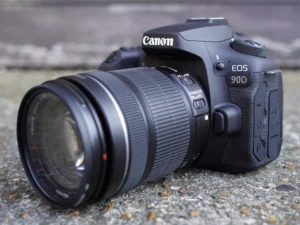
Understanding Your DSLR
Before diving into techniques, it’s essential to understand your DSLR’s capabilities. DSLR cameras offer manual control over settings, interchangeable lenses, and superior image quality compared to smartphones or point-and-shoot cameras.
Key Components of a DSLR
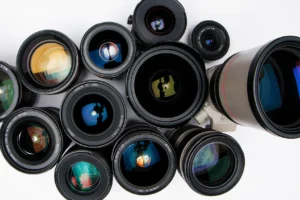
- Lens – The lens determines the perspective and clarity of your photos. Prime lenses provide sharper images, while zoom lenses offer flexibility in framing.
2. Sensor – DSLR sensors capture light and affect image quality. Full-frame sensors excel in low light, while APS-C sensors are more affordable and compact.
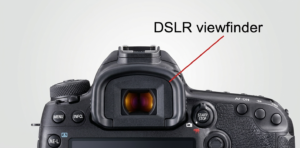
3. Viewfinder – DSLRs allow you to look through the optical viewfinder, giving a real-time preview of your composition.
4. Manual Controls – ISO, shutter speed, and aperture settings give you full control over exposure and creative effects.
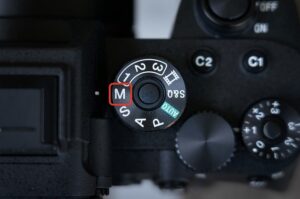
Understanding these features helps you answer your initial question: how can I take better photos with a DSLR? Knowing what your camera can do allows you to harness its full potential.
Mastering Exposure: The Triangle of Photography
The exposure triangle is crucial for producing high-quality images. It consists of three elements: aperture, shutter speed, and ISO. Balancing these settings is essential to taking better photos with a DSLR.
Aperture (f-stop)
Aperture controls the size of the lens opening. A lower f-number (f/1.8, f/2.8) allows more light to reach the sensor and creates a shallow depth of field, perfect for portraits. A higher f-number (f/11, f/16) keeps more of the scene in focus, ideal for landscapes.
- Tip: Experiment with wide apertures to achieve beautiful bokeh in your photos. This is a great way to take better portraits with a DSLR.
Shutter Speed
Shutter speed dictates how long your camera’s sensor is exposed to light. Fast shutter speeds (1/1000s) freeze motion, while slow speeds (1/30s or longer) capture motion blur.
- Tip: Use a tripod for long exposures to avoid camera shake. Slow shutter speeds can also create creative effects like silky waterfalls or light trails.
ISO
ISO controls the sensor’s sensitivity to light. Low ISO (100-400) is ideal for bright conditions, while higher ISO (1600+) helps in low-light environments but may introduce noise.
- Tip: Keep ISO as low as possible to maintain image clarity. Learning to balance ISO with aperture and shutter speed is key to improving your DSLR photography.
Composition: Framing Your Shots
Even with perfect exposure, a poorly composed shot can feel lackluster. Understanding composition is essential to taking better photos with a DSLR.
Rule of Thirds
Imagine dividing your frame into a 3×3 grid. Positioning subjects along these lines or intersections makes your images more balanced and engaging.
Leading Lines
Use natural lines—like roads, rivers, or fences—to guide the viewer’s eyes toward your main subject. Leading lines add depth and perspective.
Framing
Use elements like windows, arches, or tree branches to frame your subject. This technique draws attention and adds context to your image.
Perspective and Angles
Experiment with high and low angles to create dynamic and unique shots. Don’t be afraid to get close or change your viewpoint.
Focus Techniques: Sharp and Crisp Images
Nothing ruins a photo faster than poor focus. Mastering focus techniques helps you take better photos with a DSLR.
Autofocus Modes
- Single AF (AF-S/One Shot): Ideal for stationary subjects.
- Continuous AF (AF-C/AI Servo): Best for moving subjects like pets, athletes, or cars.
- Manual Focus: Offers precision when shooting macro or low-light scenes.
Depth of Field
Control what is in focus using aperture. Shallow depth of field isolates subjects, while deep depth of field keeps the entire scene sharp.
Focus Points
Use your camera’s focus points strategically. Place them over the most important part of your composition instead of relying solely on the center.
Lighting: The Soul of Photography
Good lighting can make an ordinary subject extraordinary. Understanding natural and artificial light is crucial to taking better photos with a DSLR.
Natural Light
- Golden Hour: The first hour after sunrise and the last hour before sunset produce soft, warm light.
- Blue Hour: Just before sunrise or after sunset, creates a cooler, moody atmosphere.
- Overcast Days: Cloudy skies diffuse sunlight, reducing harsh shadows.
Artificial Light
- Flash: Useful in low-light conditions, but avoid direct flash. Diffuse light for a softer effect.
- Continuous Lights: Great for product photography and videos.
- Reflectors: Bounce light onto your subject to fill shadows.
- Tip: Always observe how light interacts with your subject. Shadows, highlights, and reflections can dramatically affect your composition.
Advanced DSLR Techniques
Once you’re comfortable with the basics, try these advanced techniques to elevate your photography.
Long Exposure Photography
Long exposure allows creative effects like motion blur, light trails, or smooth water surfaces. Use a tripod and remote shutter to avoid shake.
HDR Photography
High Dynamic Range (HDR) combines multiple exposures to capture details in both shadows and highlights. Perfect for landscapes with contrasting light.
Panoramas
Stitch multiple images to create wide, expansive views. Many DSLRs have built-in panorama modes.
Macro Photography
Capture intricate details using macro lenses. DSLRs excel at macro shots due to their larger sensors and high-quality optics.
Post-Processing: Enhancing Your Photos
Editing is the final step in creating stunning images. Post-processing can transform good shots into exceptional photos.
Software Options
- Adobe Lightroom: Excellent for color correction, exposure adjustments, and batch edits.
- Adobe Photoshop: Perfect for advanced retouching and compositing.
- Capture One: Preferred by professionals for tethered shooting and color grading.
Basic Editing Tips
- Adjust exposure, contrast, and white balance.
- Crop to improve composition.
- Sharpen images and reduce noise for clarity.
- Apply subtle color grading to enhance mood.
- Tip: Avoid over-editing. Natural-looking images are generally more appealing.
Lens Selection: Choosing the Right Lens
Different lenses produce different results. Your choice of lens greatly affects your ability to take better photos with a DSLR.
Prime Lenses
Fixed focal lengths like 35mm or 50mm produce sharp images and excellent low-light performance. They are ideal for portraits and street photography.
Zoom Lenses
Versatile lenses like 24–70mm or 70–200mm allow flexibility in framing. Great for travel, events, and wildlife photography.
Specialty Lenses
- Macro lenses: For extreme close-ups.
- Wide-angle lenses: For landscapes and architecture.
- Telephoto lenses: For sports and wildlife.
Practical Tips to Improve Your DSLR Photography
Here are actionable tips to help you consistently take better photos with a DSLR:
- Shoot in RAW: Preserves maximum detail and flexibility in post-processing.
- Use a Tripod: Especially important for low-light and long exposure shots.
- Experiment with Manual Mode: Full control over aperture, shutter speed, and ISO improves skill.
- Study Light: Observe how natural and artificial light affects your subject.
- Practice Composition: Always look for lines, shapes, and frames.
- Understand Your Camera: Read the manual and experiment with features.
- Keep Your Gear Clean: Dust on the sensor or lens can ruin images.
- Review and Learn: Critically analyze your photos to understand mistakes and improvements.
Common Mistakes to Avoid
Avoiding common mistakes is as important as learning techniques.
- Relying only on Auto Mode: Limits creativity and control.
- Ignoring Light Direction: Harsh shadows or blown highlights can ruin a shot.
- Shaky Hands: Use proper handholding technique or a tripod.
- Over-Editing: Excessive filters or unnatural color grading detracts from quality.
- Neglecting Composition: Even a sharp photo can feel unprofessional without proper framing.
Photography Styles to Explore
DSLR cameras give you freedom to explore multiple styles:
- Portrait Photography: Focus on emotions and expressions.
- Landscape Photography: Capture the beauty of nature.
- Street Photography: Document life and culture.
- Wildlife Photography: Requires patience and telephoto lenses.
- Macro Photography: Reveal intricate details invisible to the naked eye.
- Event Photography: Capture moments at weddings, parties, and sports.
Exploring different styles helps answer the recurring question: how can I take better photos with a DSLR by challenging my creativity and skills?
Conclusion: Take Your DSLR Skills to the Next Level
Mastering DSLR photography takes practice, patience, and experimentation. By understanding your camera, learning the exposure triangle, focusing on composition, exploring lighting, trying advanced techniques, and honing post-processing skills, you’ll significantly improve your images.
Remember, the key question “how can I take better photos with a DSLR” is answered not just with technical knowledge but also with consistent practice and observation. Keep shooting, experimenting, and learning from every shot you take. Over time, your DSLR will become an extension of your creative vision, allowing you to capture breathtaking photos that tell a story.