
You walk into your kitchen multiple times a day to cook, eat, and gather with family. Yet this busy heart of the home can quickly become a breeding ground for harmful bacteria if you don’t follow proper habits. Learning how to maintain kitchen hygiene is essential for protecting your loved ones from foodborne illnesses that affect millions of people every year. According to health authorities, unsafe food handling at home contributes to thousands of preventable cases of sickness annually.
When you understand how to maintain kitchen hygiene, you create a safe, fresh environment that supports better health and peace of mind. This guide provides clear, actionable steps you can start using today. You will learn why each practice matters, how to implement it correctly, and how real families have benefited from these changes. By the end, you will have a complete system for how to maintain kitchen hygiene that fits your lifestyle.
Consistent kitchen hygiene goes far beyond making the space look clean. Bacteria such as Salmonella, E. coli, and Listeria can survive on surfaces for hours or even days. They spread through cross-contamination, dirty sponges, and improper storage. Good habits reduce these risks, cut down on food waste, and make your kitchen more pleasant to use. Families who adopt strong hygiene routines often notice fewer stomach issues and greater confidence when preparing meals.
Image: Bright, spotless modern kitchen with gleaming countertops, organized utensils, and fresh fruits on display. ALT Text: how to maintain kitchen hygiene – sparkling clean kitchen countertops
Why Kitchen Hygiene Matters for Your Family’s Health
Kitchen hygiene plays a critical role in your family’s overall well-being. The kitchen is where raw ingredients meet prepared foods, creating many opportunities for germs to transfer. Children, elderly family members, and people with weaker immune systems face higher risks from contaminated surfaces or improperly stored food.
Poor kitchen hygiene leads to real consequences. Foodborne illnesses cause symptoms ranging from mild discomfort to severe hospitalization. Beyond health, you also face hidden costs like medical expenses, missed work, and reduced quality of life. On the other hand, when you focus on how to maintain kitchen hygiene, you prevent these problems before they start.
For example, one busy mother of two noticed her children frequently had stomach aches. After she improved her cleaning routines and stopped using the same sponge for everything, the issues dropped dramatically. Simple changes created noticeable health improvements. Moreover, a clean kitchen encourages more home cooking, which often leads to healthier eating habits overall.
Therefore, investing time in how to maintain kitchen hygiene delivers benefits that extend to every member of your household. You gain confidence, reduce stress, and build a space that truly nourishes your family.
Understanding Common Kitchen Contaminants
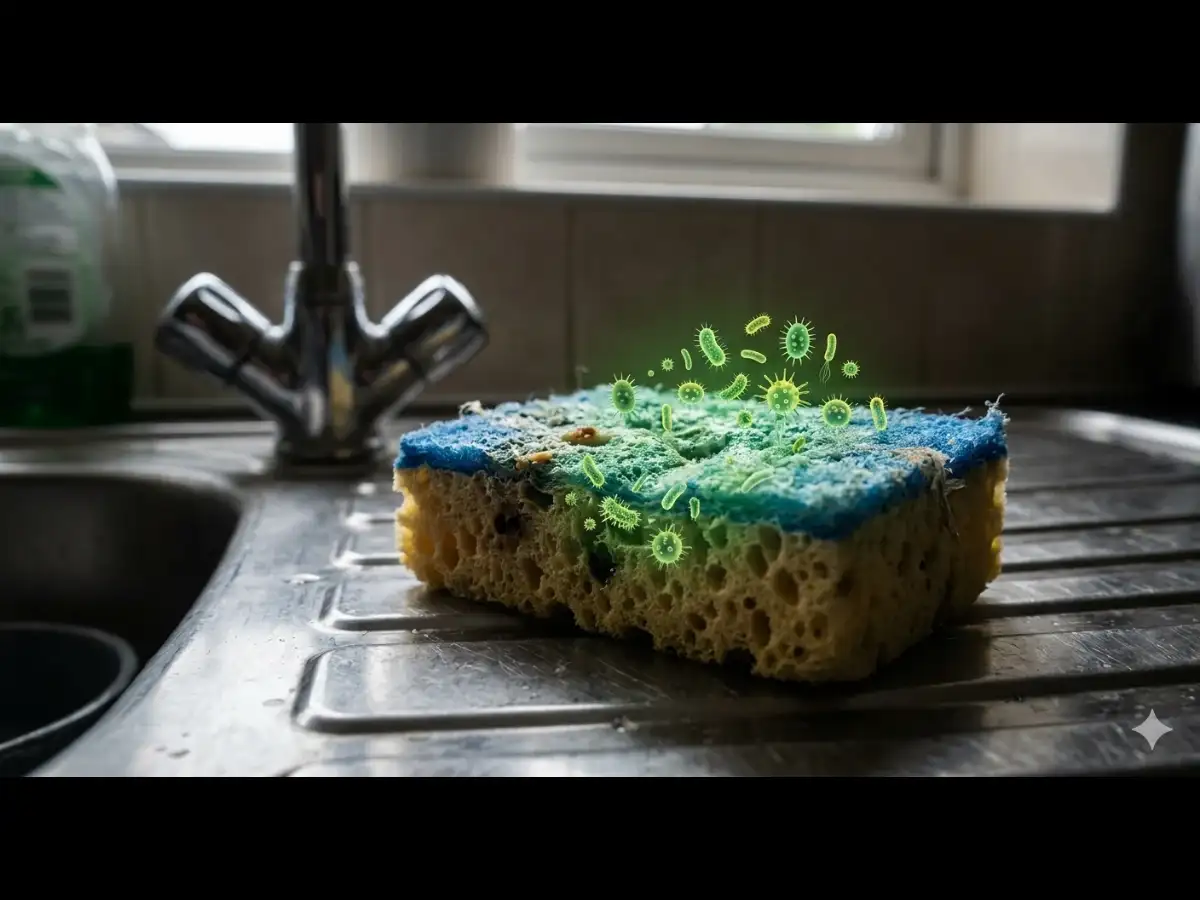
Several invisible threats hide in every kitchen. Raw meat, poultry, and seafood often carry dangerous bacteria. Fruits and vegetables can bring soil-borne pathogens if not washed properly. Even clean-looking sponges and dishcloths become major contamination sources when used repeatedly without sanitizing.
Cross-contamination happens easily. A knife used for raw chicken can transfer germs to vegetables if you don’t wash it between tasks. Refrigerator spills, dirty sink drains, and greasy stovetops also create perfect conditions for microbes to grow. Understanding these risks helps you take smarter preventive steps.
When you know where problems usually start, you can focus your efforts effectively. This knowledge forms the foundation of how to maintain kitchen hygiene successfully.
Daily Kitchen Cleaning Routine
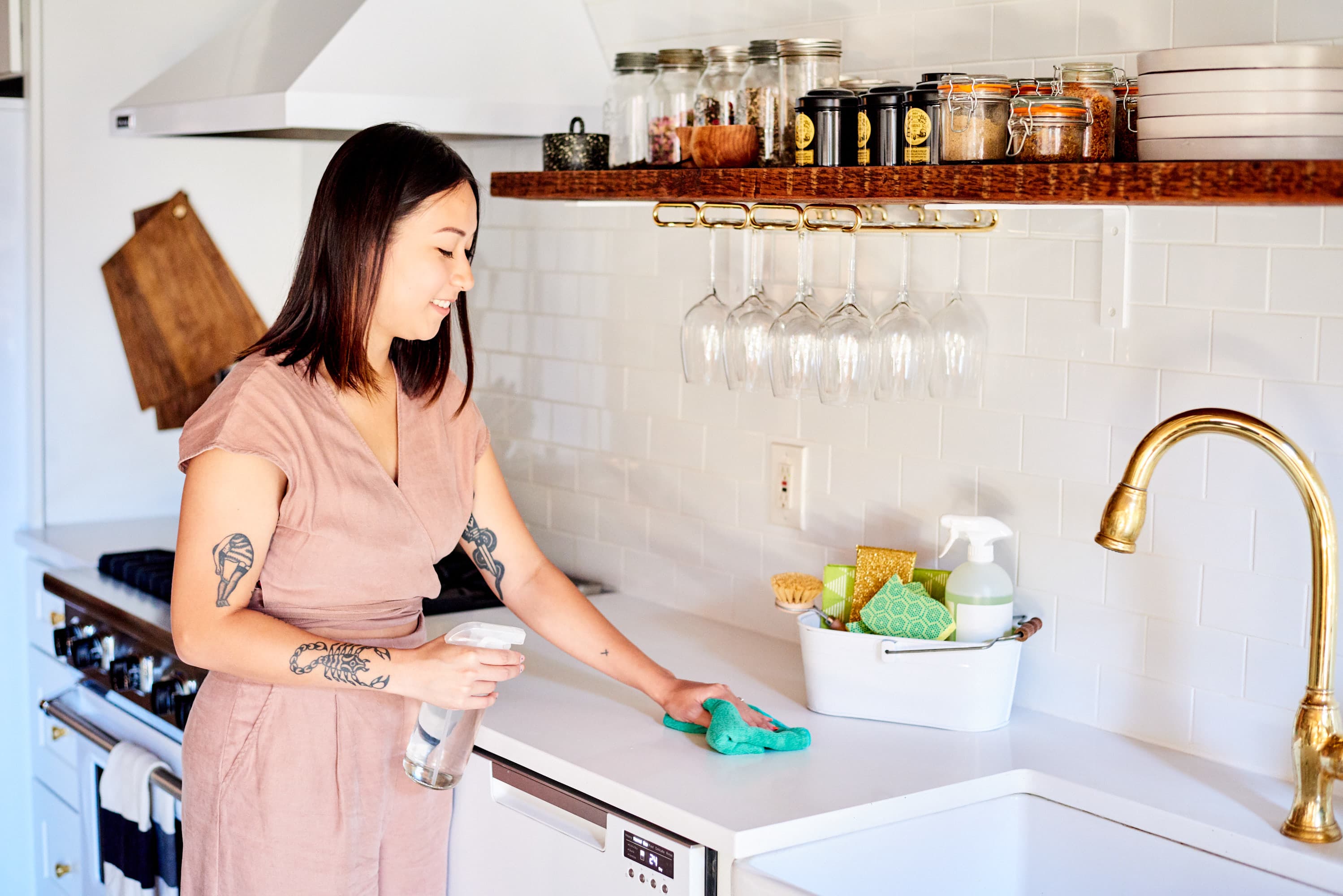
A strong daily routine is the most important part of how to maintain kitchen hygiene. Start your day by wiping down counters with hot soapy water before cooking. After each meal, clear the surfaces immediately and wash them thoroughly. Using paper towels for final wipes prevents recontamination that often occurs with cloth towels.
Hand washing remains one of the simplest yet most powerful habits. Wash your hands for at least 20 seconds with soap and warm water before and after handling food. Make it a family rule so everyone participates.
After using the sink, scrub it with dish soap, rinse well, and apply a food-safe sanitizer. These quick daily steps take only a few minutes but create a strong defense against germs. Many families report that their kitchen stays fresher and they experience fewer illnesses after making these routines automatic.
Daily cleaning handles surface dirt, but weekly deep cleaning removes hidden buildup. Once a week, empty your refrigerator completely. Wash all shelves and drawers in hot soapy water. Wipe the interior with a baking soda solution to remove odors and kill bacteria. This practice prevents Listeria growth in cold but moist areas.
Clean your oven and stovetop weekly to remove grease that can harbor bacteria. Vacuum behind the refrigerator to improve efficiency and reduce dust. These tasks take about 30-45 minutes but make a big difference in overall cleanliness.
Once a month, tackle harder areas. Clean cabinet handles, light switches, and the space behind appliances. Replace old sponges and dishcloths. Families who follow this schedule notice their kitchen smells better and stays cleaner longer.
Maintaining Hygiene in Key Kitchen Zones
Countertops and Cutting Boards
Countertops and cutting boards are high-use areas that need special attention when learning how to maintain kitchen hygiene. Wipe counters after every task. Use separate cutting boards for raw meat and vegetables. Color-coded boards help prevent mistakes. Wash them thoroughly or run them through the dishwasher after each use. Replace boards that develop deep grooves where bacteria can hide.
Sink, Faucet, and Garbage Disposal
The kitchen sink is often one of the germiest spots in the house. Scrub it daily and pay attention to the area around the faucet. For the garbage disposal, grind ice cubes mixed with lemon or orange peels once a week to freshen it and reduce odor-causing bacteria.
Refrigerator and Freezer
Keep your refrigerator at 40°F (4°C) or below and the freezer at 0°F (-18°C). Check temperatures regularly with a thermometer. Wipe up spills immediately and organize food so raw items stay on the bottom shelf. Clean the interior monthly for best results.
:strip_icc()/MyDomaine_ImageTemplate_11-cd40805c33e340e885c69bbe79bed02a.png)
Oven, Stovetop, and Floors
Wipe the stovetop after every use. Deep clean the oven monthly. Sweep or vacuum floors daily and mop with disinfectant solution at least twice a week. These steps control grease, crumbs, and tracked-in dirt that can spread germs.
Choosing Safe and Effective Cleaning Products
Select food-safe disinfectants approved for kitchen use. Read labels and follow the recommended contact time so products actually kill bacteria. Many people prefer multi-surface sprays that work on counters, sinks, and appliances without leaving harmful residues.
Eco-Friendly and Natural Ways to Maintain Kitchen Hygiene
Natural cleaners work very well and reduce exposure to harsh chemicals. Mix equal parts white vinegar and water in a spray bottle for counters and sinks. Vinegar naturally cuts grease and kills many types of bacteria. Baking soda makes an excellent gentle scrub for tough spots. Fresh lemon juice provides antibacterial action and a pleasant scent.

Many families have switched to these pantry staples and noticed fresher air and fewer skin irritations. Natural methods are also more affordable over time. You can maintain excellent how to maintain kitchen hygiene standards while being kind to the environment.
Preventing Cross-Contamination
Always use separate tools for raw and cooked foods. Wash hands, knives, and cutting boards between tasks. Store raw meat on the bottom refrigerator shelf in sealed containers. Never rinse raw poultry under running water because splashing spreads bacteria widely. These habits dramatically lower your risk of foodborne illness.
Common Mistakes to Avoid
Using the same sponge for dishes and counters is a frequent error. Leaving damp cloths overnight allows bacteria to multiply. Storing raw and cooked foods together in the refrigerator is another common mistake. Avoiding these errors strengthens your overall kitchen hygiene.
Special Tips for Busy Families and Homes with Pets
Busy households benefit from simple checklists. Involve children in age-appropriate tasks like wiping counters. If you have pets, clean floors more often and create pet-free zones near food preparation areas. A short 10-minute evening reset routine helps keep everything under control.
Innovative Tools That Help
Consider dishwashers with sanitizing cycles, UV sponge sanitizers, and smart refrigerators that alert you to temperature changes. These tools make how to maintain kitchen hygiene easier and more consistent.
FAQ Section
How often should I deep clean my kitchen? Weekly deep cleaning combined with daily maintenance works best for most homes. Focus on the refrigerator, oven, and hidden areas monthly.
What is the best natural disinfectant? A 1:1 vinegar and water solution is highly effective for most surfaces. Baking soda adds scrubbing power for stubborn spots.
How can I stop cross-contamination? Use color-coded cutting boards and wash everything thoroughly between tasks. Proper food storage also helps greatly.
How often should I replace kitchen sponges? Replace sponges every 1-2 weeks or sanitize them daily in the microwave. Better yet, switch to dishcloths that you wash in hot water daily.
What refrigerator temperature is safest? Keep the refrigerator at or below 40°F (4°C) and the freezer at 0°F (-18°C). Check with a thermometer regularly.
How do I clean my kitchen sink properly? Scrub daily with hot soapy water, sanitize, and air dry. Clean the disposal weekly with ice and citrus peels.
Is it necessary to clean behind appliances? Yes. Dust and grease buildup behind refrigerators and ovens can affect performance and attract pests. Clean these areas monthly.
What should I do during flu season? Increase sanitizing frequency on high-touch surfaces and encourage frequent hand washing. Use stronger disinfectants when someone is ill.
Conclusion
You now have a complete, practical guide on how to maintain kitchen hygiene for a clean and healthy home. Start with small daily habits and gradually add weekly and monthly tasks. The effort you put in will reward you with fewer illnesses, fresher food, and a kitchen you enjoy using.
Consistency matters more than perfection. Review these tips regularly and adjust them to fit your family’s needs. Share this knowledge with others so more homes can become healthier spaces.
Your journey to better kitchen hygiene starts with the next meal you prepare. Take action today and enjoy the lasting benefits of a truly clean and safe kitchen.