
Introduction
Jewelry cleaning methods can safely restore your ornaments has a unique way of capturing memories—whether it’s an engagement ring, a family heirloom, or your everyday favorite necklace. But over time, even the most beautiful pieces can lose their shine. Oils from your skin, dust, soap residue, and cosmetics all build up, making jewelry look dull and lifeless.
The good news? You don’t need expensive tools or professional services every time. With the right techniques, you can safely restore your jewelry’s brilliance at home.
In this guide, you’ll find different care instructions for the following jewelry types:
- Silver jewelry
- Yellow gold jewelry
- White gold jewelry
- Rose gold jewelry
- Diamond jewelry
- Gemstone jewelry
- Platinum jewelry
- Titanium jewelry
- Alternative metal jewelry
- Hardwood jewelry
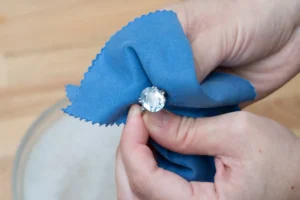
Why Jewelry Gets Dir ty So Quickly
Before jumping into washing, it helps to understand why ornaments loses its sparkle. Everyday exposure leads to buildup from:
- Skin oils and sweat
- Lotions, perfumes, and makeup
- Dust and pollution
- Soap and shampoo residue
Even something as simple as washing your hands can leave behind a thin film that dulls gemstones and metals.
The Best Ways to Clean Jewelry at Home
Let’s explore the most effective and safest methods you can use.
1. Warm Water + Mild Soap (The Safest Universal Cleanings Method) 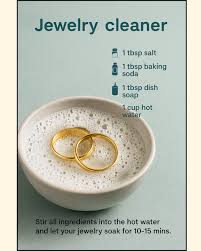
If you only remember one method—make it this one. It’s the most recommended technique across experts and works for almost all jewelry types.
How to do it:
- Fill a small bowl with warm (not hot) water
- Add a few drops of mild dish soap
- Soak your jewelry for 15–30 minutes
- Gently scrub with a soft toothbrush
- Rinse under clean water
- Dry with a lint-free cloth
This method is safe for:
- Gold
- Silver
- Platinum
- Diamonds
- Most gemstones
Experts consistently recommend this as the go-to cleaning method because it removes dirt without damaging materials.
2. Gentle Brushing for Deep Cleaning Methods
Sometimes soaking alone isn’t enough—especially for rings with intricate settings.
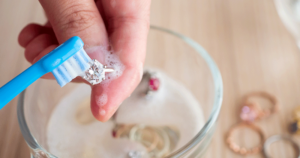 Why brushing matters:
Dirt tends to hide in:
- Prongs
- Stone settings
- Underside of gemstones
Using a soft-bristled toothbrush helps remove buildup from these hard-to-reach areas.
Tip: Always brush gently—too much pressure can loosen stones.
3. Vinegar Solution Cleaning
White vinegar is a powerful natural cleaner, especially for tarnished silver.
Steps: 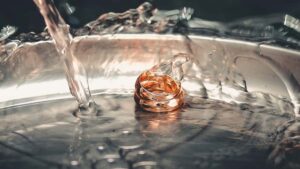
- Mix equal .parts vinegar and water
- Soak jewelry for 15–30 minutes
- Gently scrub and rinse Best for:
- Silver jewelry
- Some gold pieces
Avoid vinegar on:
- Pearls
- Opals
- Coral
Acidic solutions can damage delicate or porous stones.
4. Baking Soda Paste (For Heavy Tarnish)
When silver jewelry turns dark or heavily tarnished, baking soda can help restore its shine.
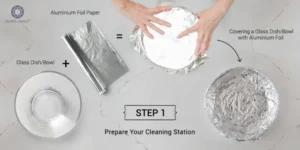
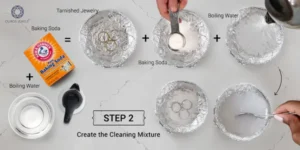
How to use:
- Mix baking soda with a small amount of water
- Create a paste
- Rub gently with a soft cloth
- Rinse and dry
Use sparingly—it’s slightly abrasive and can scratch softer metals.
5. Jewelry Cleaning Solutions (Store-Bought)
If you want convenience, commercial jewelry cleaners are a great option.
Benefits:
- Designed for specific materials
- Easy to use
- Quick results
Many brands (including Brilliant Earth) offer gentle cleaning pens with brush tips for everyday maintenance.
6. Ultrasonic Cleaners (Use with Caution)
Ultrasonic cleaners use sound waves to remove dirt from tiny crevices.
Pros:
- Deep cleaning
- Great for intricate jewelry
Cons:
- Can loosen stones
- Not safe for delicate gemstones
Experts recommend leaving ultrasonic cleaning to professionals, especially for valuable jewelry.
7. Steam Cleaning (Professional-Level Cleaning)
Steam cleaning uses high-pressure steam to dissolve dirt and oils.
Best for:
- Diamonds
- Durable metals
Avoid for:
- Antique jewelry
- Soft gemstones
These methods are more powerful than home cleaning but not suitable for all pieces.
Material-Specific Jewelry Cleaning Tips
Not all jewelry is created equal. Using the wrong method can cause damage.
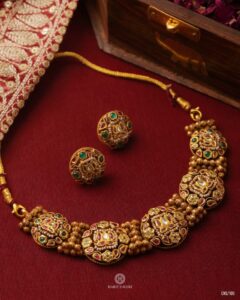 Gold Jewelry Cleaning
Gold jewelry is timeless. Whether it’s a simple chain, a pair of earrings, or a meaningful ring, gold pieces are known for their beauty, durability, and lasting value. But even though gold doesn’t tarnish like silver, it can still lose its shine over time due to everyday wear. Gold is durable but can lose shine.
Best method:
- Warm water + mild soap
- Gentle brushing
Avoid harsh chemicals—they can damage gold alloys.
Types of Gold Jewelry
Understanding the type of gold you own is important for proper care.
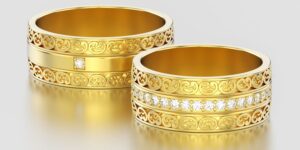 1. Yellow Gold
Yellow gold is the most natural and low-maintenance.
Cleaning:
- Warm water + mild soap
- Soak 10–15 minutes
- Soft brush clean
- Rinse & dry with soft cloth
Tips:
- Doesn’t tarnish easily
- Can scratch (gold is soft), so handle gently
2. White Gold 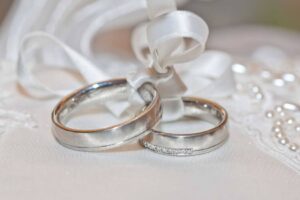 White gold is coated with rhodium plating for its bright silver look.
Cleaning:
- Mild soap + lukewarm water
- Gentle cleaning only
Special Care:
- Avoid abrasive materials (can wear off the coating)
- Needs re-plating (rhodium) every 1–2 years to maintain shine
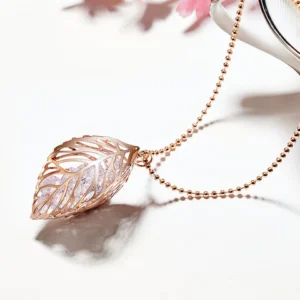 3. Rose Gold
Rose gold contains copper, giving it that pink tone.
Cleaning:
- Same as yellow gold (mild soap + water)
- Use a very soft cloth to avoid fading the finish
Tips:
- More durable than yellow gold
- Avoid excessive moisture (copper may darken slightly over time)
- No harsh scrubbing
Silver Jewelry Cleaning
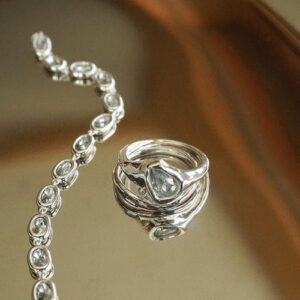
Silver tarnishes easily. Tarnish is normal for silver—it reacts with air and moisture
Cleaning at Home
Basic Cleaning (weekly):
- Mix warm water + mild soap
- Soak for 5–10 minutes
- Gently clean with a soft cloth or brush
- Rinse and dry completely
Baking Soda Method
- Line a bowl with foil
- Add hot water + baking soda
- Place jewelry inside (touching foil)
- Wait a few minutes, then rinse & dry
This helps restore shine quickly!
Silver Polish
- Use a special silver polishing cloth or cream
- Gently rub (don’t overdo it)
Prevention tip: Store in anti-tarnish bags to reduce exposure to air.
Diamond Jewelry
Diamonds attract oil easily, which reduces sparkle, so regular cleaning is important.
Best method:
- Mix warm water + mild dish soap
- Soak jewelry for 15–20 minutes
- Gently scrub with a soft toothbrush (especially behind the stone)
- Rinse with clean water
- Dry with a lint-free or microfiber cloth
Regular cleaning restores brilliance and keeps diamonds looking new.
Gemstone Jewelry
Some gemstones are durable, others are delicate. 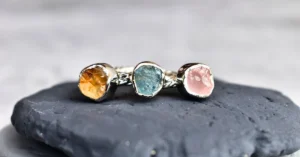
Safe for soap cleaning:
- Sapphire
- Ruby
Extra care needed:
- Emeralds (avoid soaking)
- Pearls (wipe only)
- Opals (no harsh chemicals or heat)
Certain stones can crack or fade if exposed to heat or chemicals.
Platinum Jewelry
Platinum is strong and doesn’t tarnish. But it can lose its shine due to buildup.
Best method:
- Mix warm water + mild soap
- Soak for 10–15 minutes
- Gently clean with a soft toothbrush
- Rinse thoroughly
- Dry with a soft microfiber cloth
It may develop a natural patina over time, which can be polished if desired.
Jewelry Cleaning Mistakes to Avoid
Even with good intentions, some cleaning habits can do more harm than good.
1. Using Toothpaste
Toothpaste contains abrasives that can scratch metals and gemstones.
2. Using Harsh Chemicals
Avoid:
- Bleach
- Chlorine
- Strong cleaners
These can weaken metals and damage stones.
3. Cleaning All Jewelry the Same Way
Different materials require different care. Always check before cleaning.
4. Skipping Regular Cleaning
Dirt buildup becomes harder to remove over time and can damage settings.
How Often Should You Clean Jewelry?
General guideline:
- Daily wear items: Clean weekly
- Occasional wear: Clean monthly
- Deep cleaning: Every 6 months
Professional cleaning once a year is recommended for valuable pieces—or twice a year for frequently worn rings.
Jewelry Maintenance Tips (Keep It Clean Longer)
Cleaning is just one part—maintenance matters too.
Simple habits:
- Remove jewelry before showering or swimming
- Apply perfume and lotion before wearing jewelry
- Store pieces separately to avoid scratches
- Wipe jewelry after each use
These small steps significantly reduce dirt buildup.
When to Choose Professional Cleaning
Sometimes, home cleaning isn’t enough.
Go professional if:
- Jewelry is heavily tarnished
- Stones feel loose
- Design is very intricate
- Item is valuable or antique
Professional jewelers use advanced tools while minimizing risk.
Natural vs Commercial Cleaning Methods
| Method | Best For | Risk Level |
| Soap & Water | All jewelry | Very safe |
| Vinegar | Silver | Moderate |
| Baking Soda | Tarnish removal | Slightly abrasive |
| Commercial Cleaners | Specific materials | Safe if used correctly |
| Ultrasonic/Steam | Deep cleaning | High (if misused) |
Final Thoughts
Taking care of your jewelry doesn’t have to be complicated. In fact, the best cleaning methods are often the simplest.
A bowl of warm water, a drop of mild soap, and a soft brush can bring your jewelry back to life in minutes.
The key is consistency—regular gentle cleaning combined with proper storage and mindful wear will keep your jewelry looking as brilliant as the day you got it.
FAQs: Best Ways to Clean Jewelry
1. What is the safest way to clean jewelry at home?
The safest method is warm water mixed with mild dish soap, followed by gentle brushing and rinsing.
2. Can I use vinegar to clean jewelry?
Yes, vinegar works well for silver and some metals, but avoid using it on pearls, opals, or other delicate gemstones.
3. How often should I clean my jewelry?
Clean frequently worn jewelry once a week and do a deeper clean every few months.
4. Is toothpaste safe for cleaning jewelry?
No, toothpaste is abrasive and can scratch metals and damage gemstones.
5. Can I clean all gemstones the same way?
No, some gemstones like pearls and emeralds require special care and should not be soaked or exposed to harsh chemicals.
6. When should I get jewelry professionally cleaned?
At least once a year—or sooner if your jewelry is heavily used, dirty, or has loose stones.