
Maintaining your dog’s digestive system is about more than just avoiding an upset stomach; it is the foundation of their entire immune system. When pet parents ask, “how to help my dogs gut health,” they are often looking for a way to fix chronic issues like allergies, lethargy, or sensitive stomachs.
In this exhaustive guide, we will explore how to improve dog gut health naturally through diet, lifestyle, and high-quality supplementation.
1.The Science of the Canine Microbiome
The “gut” is a complex ecosystem of trillions of bacteria, fungi, and viruses, collectively known as the microbiome. In dogs, about 70-80% of the immune system resides in the gut.
Why Gut Health Matters
A healthy gut ensures that your dog absorbs nutrients efficiently and keeps harmful pathogens at bay. If the balance of “good” vs. “bad” bacteria is disrupted (a condition called Dysbiosis), your dog may suffer from systemic inflammation.
2.Reognizing the Signs of Poor Gut Health
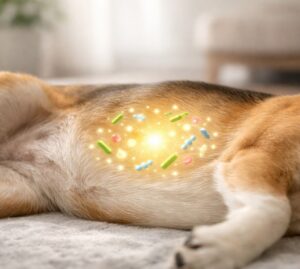
Before you can learn how to help my dogs gut health, you must identify the symptoms of a struggling digestive tract.
- Chronic Flatulence: Excessive gas is a major sign of fermentation issues.
- Irregular Stool: Frequent diarrhea or constipation.
- Skin Issues: Itchy skin and ear infections are often secondary signs of a “leaky gut.”
- Bad Breath: While dental care matters, chronic bad breath often starts in the stomach.
3. How to Improve Dog Gut Health Naturally: The 5 Pillars
To truly transform your dog’s health, you must address these five key areas:
-
High-Quality Nutrition (The Foundation)
Stop feeding highly processed kibble with high grain fillers. These sugars feed “bad” bacteria.
- Switch to Whole Foods: Incorporate lean proteins (turkey, beef) and low-glycemic vegetables.
- Avoid Artificial Preservatives: Look for BHA, BHT, and Ethoxyquin—these are toxic to gut flora.
- Probiotics and Prebiotics
Probiotics are the “good” bacteria, while prebiotics are the fiber that feeds them.
- Natural Probiotics: Plain Greek yogurt (in moderation) or fermented vegetables like goat milk.
- Natural Prebiotics: Chicory root, pumpkin, and bananas.
III. Digestive Enzymes
As dogs age, their pancreas may produce fewer enzymes. Adding natural sources like papaya or pineapple can help break down proteins and fats.
4. Specific Superfoods for Dog Gut Health: A Deep Dive
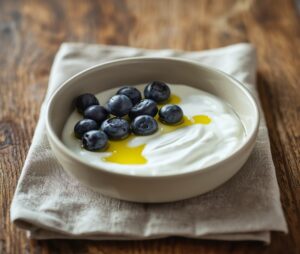
When owners ask how to help my dogs gut health, the answer often lies in functional “superfoods.” These aren’t just treats; they are bioactive ingredients that repair the intestinal lining and modulate the immune system.
- Raw Goat Milk (The Universal Medicine): Unlike cow’s milk, goat milk is easily assimilated by the canine digestive tract. It contains smaller fat globules and is packed with over 200 species of probiotics and enzymes (like lactase) that help break down sugars. It is an excellent how to improve dog gut health naturally strategy for senior dogs.
- Medicinal Mushrooms (Turkey Tail & Reishi): These contain beta-glucans, which are powerful prebiotics. They don’t just feed bacteria; they “educate” the gut-associated lymphoid tissue (GALT) to distinguish between friendly bacteria and harmful pathogens.
- Slippery Elm Bark: This herb contains mucilage, a substance that becomes a slick gel when mixed with water. It coats the stomach and intestines, providing a physical barrier against acid and irritation—perfect for dogs with IBS (Irritable Bowel Syndrome).
- Fermented Vegetables (Kraut for Canines): Small amounts of fermented cabbage or carrots (without onions or excessive salt) provide a massive “bacterial load” that is far superior to most dry pill-form probiotics.
5. Step-by-Step: Managing a Food Transition to Prevent Dysbiosis
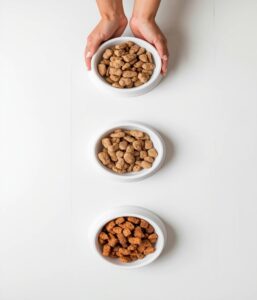
One of the most common mistakes in learning how to improve dog gut health naturally is changing diet too quickly. A sudden shift can cause “Metabolic Shock,” where the existing gut flora dies off rapidly, releasing endotoxins into the bloodstream.
- The Pre-Transition Phase (Days -2 to 0): Start adding a spoonful of plain pumpkin or a dash of bone broth to the current food to “prime” the stomach for new moisture levels.
- The Gradual Shift (14-Day Protocol):
- Phase A (Days 1–4): 10% New / 90% Old. Observe for gas or soft stool.
- Phase B (Days 5–8): 40% New / 60% Old. This is where most “detox” symptoms occur.
- Phase C (Days 9–14): 75% New / 25% Old.
- The “Cold Turkey” Exception: Only under veterinary supervision should a dog be switched immediately (usually in cases of severe acute pancreatitis or life-threatening allergies).
6. The Role of Hydration, Motility, and Microbial Flow
Hydration is the “transport system” of the gut. If a dog is dehydrated, the colon pulls water from the waste, leading to constipation and the stagnation of toxins.
- The Chlorine Factor: Tap water often contains chlorine and fluoride. While safe for humans, these chemicals are designed to kill bacteria. In a dog’s small gut, constant consumption of chlorinated water can act as a “micro-antibiotic,” slowly killing off beneficial flora. Using filtered or spring water is a key tip for how to help my dogs gut health.
- Gut Motility and Exercise: The “Gastrocolic Reflex” is triggered by physical movement. When a dog runs, it stimulates the smooth muscles of the intestines to contract (peristalsis). Without regular exercise, waste sits in the colon for too long, allowing bad bacteria like Clostridium to overgrow.
7. Addressing Leaky Gut Syndrome (Intestinal Permeability)
Leaky Gut is a state where the “tight junctions” in the intestinal wall become loose. This allows undigested proteins and bacteria to leak into the blood, triggering an immune attack—this is the root cause of most “chicken allergies” in dogs.
- Healing with Collagen: Bone broth is rich in Glycine and Proline, amino acids that literally “plug” the holes in the gut lining.
- Colostrum (First Milk): Bovine colostrum contains Immunoglobulins (IgG) and growth factors that stimulate the repair of the intestinal mucosa. It is perhaps the most potent dog digestive health supplement for dogs suffering from chronic allergies.
- Avoiding “Anti-Nutrients“: Legumes (lentils, peas) found in “grain-free” kibble contain lectins, which can aggravate the gut lining. To improve dog gut health naturally, consider a diet low in these fillers.
8.Stress and the Gut-Brain Axis: The Cortisol Connection
The gut and the brain are connected by the Vagus Nerve. When a dog is stressed (separation anxiety, loud noises, or a chaotic household), the brain sends a signal to the gut to “halt” digestion to save energy for a “fight or flight” response.
- Microbial Emotionality: Studies show that certain bacteria, like Bifidobacterium longum, can actually reduce cortisol levels in dogs.
- The Routine Solution: To help my dogs gut health, maintain a strict schedule. Feeding at the exact same time every day lowers the dog’s anticipatory stress, allowing the stomach to produce the necessary hydrochloric acid for proper digestion.
- Environmental Enrichment: A stressed dog has a stressed gut. Lick mats and snuffle mats stimulate the release of endorphins, which counteracts cortisol and allows the digestive system to remain in a “Rest and Digest” state.
9. Detoxification: Avoiding Environmental Toxins and “Silent Gut Killers”
When learning how to improve dog gut health naturally, we often focus on what to add to the bowl, but what we remove from the environment is equally vital. The canine microbiome is incredibly sensitive to modern chemical exposure.
- The Glyphosate Factor: Many common lawn fertilizers and weed killers contain glyphosate. When your dog walks on treated grass and later licks their paws, they ingest a potent herbicide that acts as a broad-spectrum antibiotic in their gut, wiping out beneficial bacteria.
- Holistic Tip: Wash your dog’s paws with a mixture of water and organic castile soap after walks in public parks.
- Over-Medication and Antibiotic Recovery: While antibiotics save lives, they are “carpet bombs” for the gut. A single course can disrupt the microbiome for up to a year. If your dog must take antibiotics, always wait 2 hours after the medication to give a high-dose dog digestive health supplement to “reseed” the gut while the medicine is working.
- Household Cleaners: Synthetic floor cleaners and air fresheners contain phthalates and VOCs (Volatile Organic Compounds). Dogs live close to the floor; they inhale and absorb these chemicals, which can cause chronic low-grade inflammation of the intestinal mucosa. Switch to vinegar, baking soda, or lemon-based cleaners to protect their internal ecosystem.
10. Holistic Supplements: A Deep Dive into Probiotic Strains
Not all probiotics are created equal. When searching for how to help my dogs gut health, you must look for specific strains backed by clinical research. A generic “human” probiotic often lacks the stomach-acid resistance needed for a dog’s highly acidic digestion.
- Bifidobacterium animalis (Strain AHC7): This is one of the most researched strains for dogs. It has been shown to reduce the duration of acute diarrhea and significantly improve stool consistency in dogs with sensitive stomachs.
- Lactobacillus acidophilus: This strain helps maintain the protective “acid mantle” of the gut lining, making it harder for pathogens like Salmonella or E. coli to take hold.
- Saccharomyces boulardii: Technically a medicinal yeast, not a bacteria. It is unique because it cannot be killed by antibiotics. It is the #1 tool for preventing “Antibiotic-Associated Diarrhea” in dogs.
- The CFU Count: Look for supplements offering at least 5 to 10 billion CFUs (Colony Forming Units) per serving. Anything less may not survive the journey through the stomach to the small intestine.
11. When to Consult a Holistic Veterinarian (EEAT Safety Protocol)
While natural methods are powerful for maintenance, a responsible guide on how to improve dog gut health naturally must define the boundaries of home care. You should seek professional help if:
- The “Two-Day Rule”: If diarrhea or vomiting persists for more than 48 hours despite a bland diet (like pumpkin and boiled turkey).
- Bloody or Black Stool: Black, tarry stool (Melena) indicates upper GI bleeding, while bright red blood (Hematochezia) indicates lower GI issues. Both require immediate veterinary intervention.
- Rapid Weight Loss: If your dog is eating but losing weight, it may indicate Malabsorption Syndrome or a deeper underlying condition like IBD (Inflammatory Bowel Disease).
- Expert Diagnostics: A holistic vet can perform a Microbiome Restorative Therapy (MBRT) or specialized fecal testing to see exactly which bacterial strains your dog is missing. This data-driven approach is the pinnacle of modern dog digestive health management.
12. Advanced DIY Recipes: Functional Meal Toppers
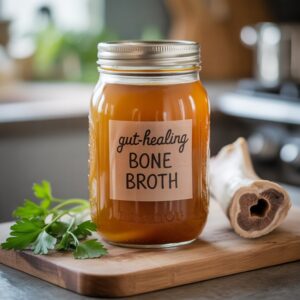
To truly understand how to help my dogs gut health, you should treat their food as medicine. Use these two targeted recipes to boost their microbiome daily.
Recipe A: The “Golden Paste” Gut Soother
Turmeric is a potent anti-inflammatory that calms the gut lining.
- Ingredients: 1/2 cup Organic Turmeric powder, 1 cup filtered water, 1/3 cup Raw Coconut Oil, 1/2 tsp Black Pepper (to activate the curcumin).
- Method: Simmer turmeric and water into a paste, stir in oil and pepper.
- Dosage: 1/4 teaspoon per 10 lbs of body weight daily.
Recipe B: Fermented “Pink” Slaw
Red cabbage is packed with L-Glutamine, the primary fuel for intestinal cells.
- Ingredients: Finely shredded red cabbage and 1 tsp sea salt.
- Method: Massage the cabbage with salt until it releases its juice. Pack tightly into a glass jar, ensuring the cabbage is submerged under the liquid. Let it sit at room temperature for 3 days, then refrigerate.
- Benefit: A single tablespoon provides more live enzymes and prebiotics than many commercial pills.
Frequently Asked Questions (FAQ)
Q1. Can I give my dog human yogurt for gut health?
Ans: Yes, but only if it is plain, unsweetened Greek yogurt. Avoid any “low-fat” versions as they often contain Xylitol, which is deadly to dogs. However, goat milk kefir is a much more potent natural alternative.
Q2. Does pumpkin help with both diarrhea and constipation?
Ans: Interestingly, yes. The soluble fiber in pumpkin absorbs excess water to firm up runny stools, while the insoluble fiber provides the “bulk” needed to move waste along in cases of constipation. It is a must-have for improving dog gut health naturally.
Q3. Can grain-free diets hurt a dog’s gut?
Ans: Some grain-free diets replace grains with high amounts of legumes (peas/lentils), which contain lectins that can irritate the gut lining. If your dog has a sensitive stomach, look for “ancient grain” or “limited ingredient” whole-food diets instead.
Q4. How does stress affect my dog’s stool?
Ans: Stress triggers the release of epinephrine, which speeds up the colon’s contractions. This results in waste moving too fast for water to be absorbed, leading to “stress diarrhea.” Routine and calm environments are essential for helping a dog’s gut health.
Conclusion
Improving your dog’s digestive system is a marathon, not a sprint. By focusing on the canine microbiome, utilizing dog digestive health supplements correctly, and minimizing environmental toxins, you are giving your pet the gift of longevity. Whether you are dealing with a leaky gut in dogs or simply looking for a natural dog ear cleaner (often related to gut health!), a holistic approach is always the most sustainable path.