
Have you ever opened your microwave only to be hit by a wave of stale food smells and crusty splatters? You are not alone. Most kitchens rely on this handy appliance every day, yet few people give it the deep clean it truly deserves. That is exactly why learning how to clean microwave with lemon has become one of the smartest, simplest kitchen habits you can adopt. This natural method uses the power of steam and citric acid to loosen grease, lift dried-on messes, and leave behind a bright, citrus-fresh scent—all without toxic fumes or expensive sprays.
In the next few minutes, you will see why this approach works better than most chemical cleaners and how you can achieve professional-level results at home. Whether your microwave sits on the counter in a busy family kitchen or gets heavy use in a small apartment, the lemon technique delivers fast, safe, and deeply satisfying results. Moreover, it protects your health by reducing hidden bacteria that regular wiping often misses.
You do not need fancy tools or hours of scrubbing. A fresh lemon, some water, and a few minutes of microwave time transform even the dirtiest appliance into one that looks and smells brand new. This guide walks you through every detail so you can master how to clean microwave with lemon today and keep your appliance spotless for years to come.
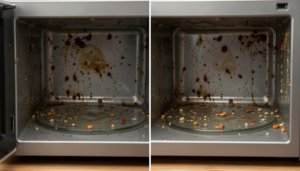
Why Regular Microwave Cleaning Matters More Than You Think
A clean microwave is not just about appearances. It directly affects your family’s health, the taste of every meal you reheat, and even the lifespan of the appliance itself. Food splatters, sauces, and crumbs build up quickly inside the enclosed space. Over time, these residues create the perfect environment for bacteria and mold to thrive. Studies show that unclean microwaves can harbor hundreds of bacterial strains, some of which may contribute to foodborne illness when they transfer to new meals.
Therefore, making cleaning a habit prevents cross-contamination and keeps reheated food tasting fresh instead of carrying over yesterday’s odors. Additionally, a dirty interior can reduce heating efficiency because grease and buildup absorb microwave energy that should go straight to your food. This means longer cook times and higher electricity bills—small issues that add up fast in daily use.
Real-world example: Think about that leftover curry you heated last week. Tiny splatters landed on the walls and hardened. The next time you warm up rice, those residues release old flavors and smells right back into your meal. Families who clean weekly report noticeably better-tasting food and fewer complaints about “microwave smell.” In busy households, where the appliance runs several times a day, regular maintenance stops small messes from becoming major headaches.
Moreover, proper cleaning extends the life of your microwave. Built-up grease can damage the interior coating over time, leading to rust or malfunction. By staying on top of it with natural methods like how to clean microwave with lemon, you avoid costly repairs and keep your kitchen running smoothly.
Health Risks of a Dirty Microwave
Hidden bacteria pose the biggest concern. Microwaves do not kill germs the way many people assume. Instead, the moist, warm environment inside actually helps some microbes survive and multiply. Pathogenic bacteria such as E. coli or Salmonella can linger on surfaces and transfer to plates or food. Regular cleaning breaks this cycle and protects everyone who uses the appliance.
Furthermore, lingering odors signal deeper issues. Old food particles release volatile compounds that not only smell bad but can also affect air quality in small kitchens. Children and elderly family members are especially sensitive to these problems. That is why switching to a natural routine like the lemon method gives you peace of mind every time you open the door.
The Power of Lemon: Why This Natural Method Works Wonders
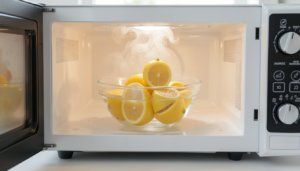
Lemon stands out as the perfect cleaner because it combines two powerful forces—steam and citric acid—in one simple fruit. When you heat water mixed with lemon, the steam softens even the toughest dried-on splatters in seconds. Meanwhile, the natural citric acid gently breaks down grease and mineral deposits without scratching the interior surfaces.
Citric acid works at a low pH level that dissolves fats and lifts stains effectively. It also carries mild antibacterial properties that help reduce odor-causing microbes. Unlike harsh chemical sprays, lemon leaves no harmful residue that could leach into your next meal. The essential oils released during heating deliver a pleasant citrus aroma that neutralizes bad smells instantly.
For example, many home cooks who previously relied on store-bought cleaners now swear by this method. One busy parent in a small apartment reported that after trying how to clean microwave with lemon, the appliance smelled fresh for over a week and required far less effort than scrubbing with commercial wipes. The results feel almost magical, yet the science is straightforward and reliable.
Additionally, this approach is environmentally friendly. You avoid plastic bottles and synthetic chemicals that end up in waterways. Lemon is biodegradable, affordable, and usually already sitting in your fruit bowl. That makes it an ideal choice for eco-conscious households looking for effective, zero-waste solutions.
Gathering Your Supplies: What You Need for How to Clean Microwave with Lemon
You only need a handful of everyday items to get started. Grab one or two fresh lemons, a microwave-safe bowl or measuring cup, and about one cup of water. A soft microfiber cloth or non-abrasive sponge works best for wiping. Optional extras include oven mitts for safety and a small brush for tight corners.
Choose ripe, juicy lemons for maximum citric acid and oil release. Organic lemons are preferable if available, though any fresh variety delivers excellent results. Avoid bottled lemon juice because it lacks the natural oils and full acidity of whole fruit. The bowl should hold at least two cups comfortably to prevent overflow during boiling.
Preparation takes less than two minutes. This minimal supply list is one reason why so many people now prefer how to clean microwave with lemon over complicated chemical routines. Everything you need is probably already in your kitchen, which saves time and money while delivering superior freshness.
Step-by-Step Guide: How to Clean Microwave with Lemon
Follow these detailed steps exactly and you will master how to clean microwave with lemon in under ten minutes. Each stage builds on the last, combining heat, steam, and natural acid for maximum cleaning power.
Start by slicing one or two lemons in half. Squeeze the juice from both halves directly into your microwave-safe bowl filled halfway with water. Drop the squeezed lemon halves or slices right into the bowl as well. This releases extra essential oils and ensures the full cleaning benefit reaches every corner. Stir gently to mix.
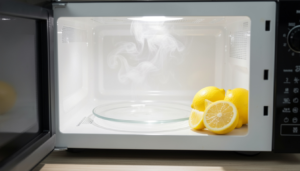
Next, place the bowl in the center of the microwave. Set the timer for three to five minutes on high power. Watch carefully—the water should come to a rolling boil and fill the interior with visible steam. The exact time depends on your microwave wattage; smaller units may need only three minutes while larger ones benefit from five.
Once the timer ends, do not open the door immediately. Let the steam work its magic for an additional two to five minutes. This resting period allows the citric acid and moisture to penetrate and loosen every dried splatter and grease spot. The longer you wait (up to ten minutes for very dirty units), the easier wiping becomes.
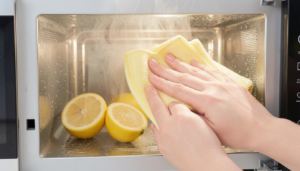
Carefully remove the hot bowl using oven mitts. The lemon water will still be warm and useful, so set it aside safely. Now take your damp microfiber cloth and begin wiping from the top down. Start with the ceiling and walls, then move to the sides and bottom. The grime should lift away effortlessly—no heavy scrubbing required. For stubborn spots, dip the cloth back into the warm lemon water and gently rub.
Finally, remove the glass turntable if possible and wash it in the sink with warm soapy water. Wipe the exterior door, handle, and control panel with a fresh damp cloth. Dry everything thoroughly before replacing the turntable and closing the door. Your microwave now looks and smells brand new.
Each step matters because the combination of heat and acid creates a synergistic effect that no single chemical cleaner can match safely inside a food-prep appliance. Home cooks who follow this exact sequence consistently report cleaner results with far less effort than traditional methods.
Pro Tips and Variations for Even Better Results
For extra-tough buildup, add a teaspoon of baking soda to the lemon water before microwaving. The mild fizz helps lift stubborn spots without neutralizing the citric acid too much. You can also use lemon essential oil drops if fresh lemons are unavailable, though whole fruit remains the gold standard.
Microwave power varies by model, so test with three minutes first and adjust upward. Always cover food with a splatter guard during normal use to reduce future cleaning time. In high-use households, perform this deep clean weekly for consistently fresh results.
Another variation involves wiping the exterior and vents with the leftover lemon water. This keeps the whole appliance looking polished and prevents grease from migrating inside.
Common Mistakes to Avoid When You Clean Microwave with Lemon
Many people rush the process and open the door too soon, which wastes the steam’s loosening power. Always allow the full resting time. Others use abrasive pads that scratch the interior coating—stick to soft cloths instead.
Never spray liquid cleaners directly onto buttons or vents; moisture can damage electronics. Avoid metal scrubbers entirely because tiny fragments can cause sparks later. Finally, do not skip drying the interior completely, as leftover moisture encourages new mold growth.
By steering clear of these pitfalls, you ensure the lemon method works perfectly every single time.
Comparing the Lemon Method to Other Natural and Chemical Cleaners
Lemon outperforms vinegar for everyday cleaning because it leaves a pleasant scent instead of a sharp vinegar odor. Baking soda excels at deodorizing but requires more scrubbing for grease. Chemical sprays may seem faster initially, yet they leave residues that can contaminate food and release fumes when reheated.
Natural options like how to clean microwave with lemon prove safer, cheaper, and equally effective while being kinder to the planet. External authority sources such as [The Spruce Guide to Natural Cleaning] confirm that citric acid combined with steam rivals commercial products without the drawbacks.
Explore our Natural Oven Cleaning Guide for similar eco-friendly techniques
Maintaining a Spotless Microwave Long-Term
After your first successful clean, adopt simple daily habits. Wipe spills immediately and leave the door open for a couple of minutes after use to release moisture. Cover food every time you heat it. Schedule a quick lemon refresh every seven to ten days.
These small steps keep your appliance performing at its best and reduce the need for deep cleans. Over months, you will notice fewer odors, faster heating, and a healthier kitchen overall.
Check our Kitchen Hygiene Tips for more daily habits
Learn more about household bacteria from EPA resources on safe cleaning

Frequently Asked Questions
How often should I clean my microwave using the lemon method? Weekly deep cleans keep most microwaves in top condition, especially in busy homes. For light daily use, a quick wipe plus monthly lemon treatment works well. The beauty of this natural approach is that it never damages surfaces, so you can use it as frequently as needed without worry. Over time, consistent cleaning prevents buildup and saves you effort in the long run.
Can I use bottled lemon juice instead of fresh lemons? Fresh lemons deliver the best results because they release both juice and essential oils during heating. Bottled juice lacks these oils and may contain preservatives that reduce effectiveness. Stick with whole fruit whenever possible for superior cleaning power and fragrance.
Is the lemon method safe for all microwave types? Yes, the technique works safely on stainless steel, plastic, and ceramic interiors. The mild acidity of lemon will not harm the protective coatings when used as directed. Always avoid metal tools or harsh abrasives regardless of your model.
What if my microwave is extremely dirty or has burnt-on stains? Repeat the process once or twice with a longer resting period. For very stubborn spots, add a sprinkle of baking soda after the first steam cycle and wipe gently. The steam softens residue first, making even heavy buildup manageable without aggressive scrubbing.
Does lemon cleaning actually kill bacteria? The combination of high heat, steam, and citric acid reduces bacterial load significantly. While not a hospital-grade disinfectant, it creates an environment far less hospitable to germs than a dirty microwave. Regular use keeps contamination risks low.
Can I use this method to remove strong odors like fish or popcorn? Absolutely. The citrus oils neutralize odors at the source while the steam lifts odor-trapping particles. Many users report that one treatment completely eliminates even the strongest smells that lingered for days.
Will the lemon method damage my microwave’s electronics? No. You only heat a bowl of water and lemon inside the cavity, never near controls or vents. Simply wipe the exterior with a lightly damp cloth afterward and dry thoroughly.
How does this compare to using vinegar? Lemon offers gentler cleaning with a fresher scent, while vinegar cuts heavier grease slightly faster. Both are excellent natural choices. Many people combine them for extra power when needed.
[Internal link: Read our full Eco-Friendly Cleaning Hacks collection for more natural solutions]
Conclusion
Mastering how to clean microwave with lemon gives you a fast, safe, and effective way to maintain one of your kitchen’s hardest-working appliances. This natural method removes grime, kills odors, reduces bacteria, and leaves a bright citrus scent—all in minutes and without harsh chemicals.
Start today with the simple steps outlined above. You will immediately notice the difference in freshness and ease of use. Make it a weekly habit and your microwave will stay sparkling clean for years. Your food will taste better, your kitchen will smell fresher, and you will enjoy the peace of mind that comes from a truly hygienic appliance.
Take action now—grab a lemon and transform your microwave the natural way. Your future self (and your family) will thank you every time you open the door to that clean, inviting scent.