
Evil Camera vs DSLR: Which One Should You Choose?
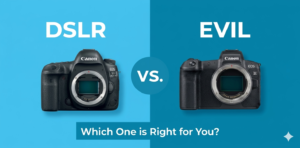
Photography has come a long way over the past few decades. With technological advancements, cameras have evolved into powerful tools that allow anyone to capture high-quality images. If you are considering buying a new camera, you may have come across the debate: evil camera vs DSLR. Both have their advantages and disadvantages, and choosing the right one depends on your needs, budget, and photography style. In this article, we will break down the differences, benefits, and limitations of these two popular camera types.
What Is an Evil Camera?
Before diving into the comparison, it’s important to understand what an evil camera is. “Evil” actually refers to Electronic Viewfinder Interchangeable Lens Camera (often abbreviated as EVIL). Some people also call it a mirrorless camera. Unlike traditional DSLRs, EVIL cameras do not have a mirror inside the camera body.
Instead, light passes directly from the lens to a digital sensor, and the image is displayed on an electronic viewfinder (EVF) or the main screen. Because of this design, evil cameras are generally smaller, lighter, and more compact than DSLRs, which makes them popular among travelers and casual photographers.
Key Features of Evil Cameras:
- Mirrorless Design: No mirror inside, reducing size and weight.
- Electronic Viewfinder (EVF): Shows a real-time preview of your image, including exposure, white balance, and depth-of-field effects.
- Interchangeable Lenses: Like DSLRs, you can swap lenses for different styles of photography.
- High-Speed Shooting: Many digital cameras offer faster continuous shooting speeds because they don’t need to flip a mirror.
What Is a DSLR?
A DSLR, or Digital Single-Lens Reflex camera, is the traditional choice for both amateur and professional photographers. DSLRs use a mirror and prism system to reflect light from the lens into an optical viewfinder. This allows you to see exactly what the lens sees, which is one of the reasons many photographers still prefer them.
Key Features of DSLRs:
- Optical Viewfinder: Provides a clear, lag-free view of the scene.
- Interchangeable Lenses: Offers flexibility for different photography styles.
- Durability: DSLRs are generally more rugged and weather-resistant.
- Long Battery Life: The lack of electronic displays saves power, making battery life longer than most evil cameras.
Design and Portability: Evil Camera vs DSLR
One of the first things you notice when comparing an evil camera vs. a DSLR is the size and weight. Evil cameras are much more compact and lightweight, making them easier to carry for extended periods. This is especially useful for street photography, travel, or casual everyday shooting.
DSLRs, on the other hand, are bulkier and heavier due to the mirror mechanism and larger body. While this can make them less convenient to carry, the larger grip can feel more stable in hand, which some photographers prefer for professional work.
Summary Table:
| Feature | Evil Camera | DSLR |
|---|---|---|
| Size & Weight | Compact, lightweight | Larger, heavier |
| Portability | Very easy to carry | Less convenient |
| Grip Comfort | Small grip | Large, stable grip |
Image Quality Comparison
When it comes to image quality, both EVIL cameras and DSLRs can deliver stunning results, especially with modern sensors. In the early days, DSLRs had the advantage due to larger sensors and more advanced technology. However, today’s evil cameras are catching up fast, often offering comparable image quality.
Factors Affecting Image Quality:
- Sensor Size: Larger sensors generally capture more light and produce better quality images. Many evil cameras now have full-frame sensors similar to DSLRs.
- Lens Quality: Both camera types depend heavily on lenses. High-quality lenses improve sharpness, depth, and color accuracy.
- Processing Power: Modern digital cameras have advanced processors that reduce noise, improve dynamic range, and enhance colors.
While DSLRs might still slightly outperform in low-light conditions for some models, the difference is becoming smaller with every new generation of evil cameras.
Autofocus Performance
Autofocus is a critical feature for many photographers, especially those shooting sports, wildlife, or action. Here’s how the evil camera vs DSLR compare in this area:
- DSLR: Traditionally uses phase-detection autofocus, which is extremely fast and reliable for tracking moving subjects.
- Evil Camera: Early models were slower due to contrast-detection autofocus, but modern evil cameras often combine phase and contrast detection for super-fast autofocus, even rivaling top DSLRs.
If you are shooting fast-moving subjects, both types now offer excellent performance, though DSLRs may still have a slight edge in extremely demanding conditions.
Battery Life and Power Efficiency
Battery life can be a deciding factor for many users. DSLRs typically last longer on a single charge because they rely less on electronic screens. Evil cameras use EVFs and LCD screens, which consume more power, reducing battery life.
However, many mirrorless cameras now offer external battery grips or high-capacity batteries to help overcome this limitation. If you plan to shoot all day without access to charging, a DSLR may be more convenient.
Lens Availability: Evil Camera vs DSLR
Lenses are the heart of photography. DSLRs have been around longer, so they have a larger selection of lenses, especially for professional use. This includes a variety of primes, zooms, macro lenses, and specialty lenses.
Evil cameras, being newer, have fewer native lenses, but major brands are rapidly expanding their offerings. Additionally, you can often use DSLR lenses on EVIL cameras with an adapter, giving you access to even more options.
Tip: Consider what lenses you may need in the future, especially if you want to explore portrait, wildlife, or sports photography.
Video Capabilities
If you are also interested in videography, evil cameras have a distinct advantage. Mirrorless designs allow for better video performance:
- Continuous autofocus while recording
- High frame rate options (4K, 60fps, and higher)
- Compact and lightweight bodies ideal for gimbals and handheld shooting
DSLRs can also shoot video, but they often lag behind video cameras in autofocus during recording and portability for video work.
Ease of Use for Beginners
For beginners asking about an evil camera vs. a DSLR, ease of use is essential. Here’s how they compare:
- Evil Camera: Lightweight, compact, and easy to handle. EVF shows exposure and settings in real-time, which helps beginners understand photography basics.
- DSLR: Larger and heavier. An optical viewfinder may feel traditional and intuitive for some, but beginners might struggle with understanding settings without seeing them previewed digitally.
Many new photographers find DSLR cameras friendlier and less intimidating, making them a great choice for learning.
Durability and Build Quality
DSLRs are often built more ruggedly, with weather sealing in professional models. They are known for lasting many years, even in rough conditions.
Evil cameras, while improving in durability, are generally less rugged due to smaller bodies and reliance on electronic components. If you frequently shoot outdoors in harsh weather, consider this factor carefully.
Price Comparison
Budget is always a consideration. Traditionally:
- DSLRs: Entry-level DSLRs are often affordable, but professional models with full-frame sensors and high-end lenses can get expensive.
- Evil Cameras: Prices vary widely. Entry-level mirrorless cameras can be competitive with DSLR prices, but high-end mirrorless models often cost more than equivalent DSLRs.
Keep in mind that lens costs are separate and can significantly impact your total investment.
Popular Use Cases
Here’s a quick overview of who might benefit most from each camera type:
- Evil Camera:
- Travel photographers who value portability
- Street and candid photography enthusiasts
- Video creators needing advanced autofocus
- Beginners wanting a user-friendly experience
- DSLR:
- Professional photographers in studios
- Wildlife, sports, and action photographers
- Photographers need a wide lens selection
- Those seeking long battery life and durability
The Verdict: Evil Camera vs DSLR
So, which one should you choose? The answer depends on your personal needs, budget, and shooting style.
- Choose an evil camera if you want a lightweight, compact design, excellent video performance, and user-friendly digital previews.
- Choose a DSLR if you value durability, long battery life, and access to a wide range of lenses, especially if you are shooting in challenging conditions.
Ultimately, both cameras are capable of producing professional-quality images. The choice comes down to portability vs. traditional design, and video vs. still photography priorities.
Conclusion
The debate between the evil camera vs DSLR is no longer about image quality alone. Modern mirrorless (evil) cameras have narrowed the gap in almost every area: autofocus, lens quality, and low-light performance. DSLRs still hold an advantage in durability, battery life, and extensive lens selection.
If you are a beginner or someone who loves to travel and shoot videos, an evil camera is an excellent choice. If you are a professional photographer or someone who shoots for extended periods and prefers a traditional feel, a DSLR might still be the best fit.
In the end, both types of cameras are excellent tools, and your decision should reflect your lifestyle, photography goals, and budget. Remember, great photography comes not just from the camera, but also from your skills, creativity, and understanding of light and composition.