
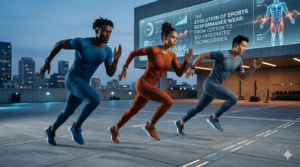
Clothing in Sports: Performance, Fashion, and Innovation
Clothing in sports has evolved far beyond mere coverage or basic protection. It now stands at the intersection of science, design, culture, and sustainability, directly influencing athletic performance, athlete confidence, team identity, and even broader lifestyle trends. From the ancient Olympic Games, where competitors often performed with minimal or no attire, to today’s high-tech garments embedded with sensors and made from recycled ocean plastics, sports clothing reflects humanity’s relentless pursuit of excellence. In the modern era, the global sports apparel market thrives on innovation that enhances comfort, reduces drag, wicks moisture, and monitors biometrics—all while appealing to casual consumers through athleisure styles.
This comprehensive exploration delves into the rich history, cutting-edge technologies, sport-specific adaptations, cultural shifts, sustainability efforts, psychological effects, and future directions of sports clothing. Whether for elite athletes chasing records or everyday enthusiasts prioritizing wellness, sports attire plays a pivotal role in enabling movement, expressing identity, and shaping the future of active living. By examining these dimensions, we uncover how clothing transforms not just the body but the entire sporting experience.
The Historical Evolution of Sports Clothing
The story of sports clothing begins in antiquity. In ancient Greece, Olympic athletes competed largely naked or in simple loincloths, prioritizing freedom of movement and celebrating the human form. This minimalism symbolized purity and equality, with oil and sand used for basic protection rather than fabric. Roman gladiators, by contrast, wore more structured tunics and protective leather for combat sports, highlighting early distinctions between aesthetic and functional needs.
Fast-forward to the 19th century, and organized sports emerged alongside industrialization. Victorian-era constraints shaped early sportswear, especially for women. Activities like cycling and tennis required adaptations: bloomers (loose, trouser-like undergarments) replaced restrictive skirts, while corsets were modified for mobility. Men’s attire featured flannel trousers, blazers, and stiff collars for cricket and rowing, blending formality with practicality. These garments were often wool or cotton, heavy and prone to absorbing sweat, which limited performance but adhered to social norms of modesty.
The early 20th century marked a turning point. The 1920s saw French designer Jean Patou create the first tennis skirt for Suzanne Lenglen, revolutionizing women’s sportswear by introducing shorter hemlines and cardigans that doubled as daywear. American sportswear emerged as a homegrown category, emphasizing interchangeable separates like jackets and trousers over full suits. Post-World War II, synthetic fibers like nylon and polyester entered the scene, enabling lighter, more durable options. Brands such as Champion popularized hoodies and sweatshirts for warm-ups, originally designed for laborers and athletes alike.
Technological Advancements in Materials and Fabrics
Modern sports clothing owes its edge to breakthroughs in textile engineering. Traditional natural fibers like cotton have given way to advanced synthetics and hybrids that prioritize performance metrics such as breathability, durability, and thermoregulation.
Key innovations include moisture-wicking fabrics, often polyester-spandex blends treated with hydrophilic coatings. These pull sweat away from the skin, evaporating it quickly to keep athletes dry and reduce chafing. Compression garments, using graduated pressure, improve blood flow, reduce muscle vibration, and aid recovery—popular in running tights and sleeves. UV-protective treatments and antimicrobial finishes combat odor and sun damage, essential for outdoor sports.
Entering 2026, smart fabrics represent the next frontier. Biometric-tracking apparel integrates sensors to monitor heart rate, muscle activity, body temperature, and even hydration levels in real time. Energy-harvesting textiles convert body movement into power via piezoelectric fibers, eliminating bulky batteries. Adaptive thermal regulation uses phase-change materials that absorb or release heat based on exertion, maintaining optimal body temperature during intense sessions or cool-downs. Self-cleaning nanotechnology, often with titanium dioxide coatings, breaks down bacteria and odors under light exposure.
Graphene-infused fabrics add another layer: these provide exceptional cooling, conductivity for sensors, and durability while remaining lightweight. Brands experiment with four-way stretch, invisible sweat management (fabrics that hide moisture marks), and quick-dry technologies for all-day wear. Recycled materials like ocean plastics or plant-based alternatives maintain high performance without compromising eco-credentials.
These advancements stem from collaborations between material scientists, engineers, and athletes. For instance, aerodynamic suits in cycling or swimming use seamless construction and textured surfaces to minimize drag. The result? Measurable gains: reduced fatigue, fewer injuries, and data-driven training. Yet challenges remain—washability of electronics, cost accessibility, and ensuring inclusivity across body types and genders. As technology integrates further with AI for predictive analytics, sports clothing shifts from passive gear to active performance partners.
Sport Specific Clothing: Tailored for Performance
No two sports are alike, and their clothing reflects unique physical demands, environmental factors, and safety requirements.
In track and field or running, minimalism rules. Lightweight, breathable singlets and shorts made from mesh panels maximize airflow and reduce weight. Compression elements target key muscle groups to enhance stride efficiency. Footwear integrates with apparel via seamless sock-like designs for blister prevention.
Team sports like soccer and basketball emphasize durability and visibility. Jerseys feature sublimated graphics for logos and numbers, using moisture-wicking polyester with reinforced seams for tackles or jumps. Shorts offer freedom of movement, often with built-in padding in rugby variants. Basketball singlets are sleeveless for arm mobility, while soccer kits include options for varying weather.
Aquatic sports demand drag reduction. Competitive swimsuits, evolved from full-body coverage to high-tech polyurethane or recycled nylon suits, compress the body and repel water. FINA regulations cap innovations to ensure fairness, but materials still channel water flow and reduce turbulence. Diving and water polo add padding and grip elements.
Tennis and golf blend style with function. Tennis skirts or shorts pair with moisture-managing polos, often in bright colors for visibility. Golf demands breathable, sun-protective layers with stretch for swings—think ripstop trousers and UV-blocking shirts.
The Rise of Athleisure – Blending Sport and Everyday Fashion
Athleisure—the fusion of athletic functionality with casual aesthetics—has revolutionized how society views sports clothing. No longer reserved for gyms or pitches, these garments transition seamlessly to offices, streets, and social settings.
Tracing back to American sportswear’s casual roots in the early 20th century, athleisure exploded in the 2010s amid wellness culture and remote work. Leggings, hoodies, and sneakers—once purely technical—now incorporate buttery-soft fabrics, stylish silhouettes, and versatile colors. Brands like Lululemon pioneered this shift, emphasizing all-day comfort without sacrificing performance features like moisture-wicking or stretch.
The trend’s appeal lies in multifunctionality: consumers seek wardrobes that support workouts, errands, and meetings. Data shows athleisure wearers are often lifestyle-driven rather than hardcore athletes, valuing style and quality over pure tech specs. This democratization has grown the market exponentially, with yoga apparel and running gear leading projections into the late 2020s.
Culturally, athleisure promotes body positivity and inclusivity, offering size ranges and gender-neutral options. It reflects broader shifts toward health-conscious living, where clothing signals an active identity even off the field. Critics note potential over-commercialization, but the movement undeniably bridges elite performance gear with mass-market appeal, making high-quality fabrics accessible to all.
Sustainability in Sports Apparel: A Growing Imperative
As environmental awareness rises, sustainability has become central to sports clothing innovation. Traditional polyester production relies on fossil fuels, contributing to microplastic pollution, but brands now pivot to recycled and bio-based alternatives.
Recycled polyester from plastic bottles powers collections from Adidas (Primeblue) and Puma (First Mile), maintaining durability and performance while reducing waste. Organic cotton, hemp, and bamboo offer breathable, low-impact options with natural antimicrobial properties. Brands like Girlfriend Collective, Pangaia, and MATE the Label lead with circular designs: take-back programs, zero-waste manufacturing, and PFAS-free finishes.
Innovations include plant-based dyes, waterless printing, and fabrics from reclaimed fishing nets. Ethical labor practices and transparent supply chains further differentiate leaders. Challenges persist—scaling recycled materials without performance loss, higher costs, and consumer education—but 2026 trends point to AI-optimized production and carbon-neutral factories.
Sustainability enhances brand loyalty among eco-conscious athletes and casual buyers alike. It aligns performance with planetary health, proving that green gear can outperform conventional options in comfort and longevity.
Psychological and Social Impacts of Sports Clothing
Beyond the physical, sports clothing profoundly affects the mind. The “enclothed cognition” phenomenon suggests attire influences cognition and behavior—wearing performance gear can heighten focus and self-efficacy.
Team uniforms foster identity and belonging, boosting motivation and cohesion via social identity theory. Consistent kits enhance fan connection and perceived competence, with studies showing confidence gains of 7-12% from uniform pride. For individuals, well-fitted clothing reduces self-consciousness, allowing full commitment to the activity.
Gender dynamics have evolved: inclusive designs challenge stereotypes, empowering women and non-binary athletes. Color psychology plays a role too—vibrant hues energize, while neutral tones calm. However, pressure for idealized bodies in revealing gear can exacerbate anxiety in some.
Overall, clothing reinforces resilience, determination, and community, turning fabric into a mental ally.
Future Trends in Sports Clothing for 2026 and Beyond
Looking ahead to 2026 and beyond, sports clothing will be intelligent, adaptive, and regenerative. Smart fabrics with AI integration will offer personalized coaching via embedded sensors and predictive injury alerts. Vintage-inspired silhouettes using natural fibers will counter fast fashion, blending nostalgia with tech.
Sustainability will dominate: bio-engineered materials, energy-harvesting, and modular designs for longevity. Hybrid athleisure will blur lines further, with quiet performance—subtle tech hidden in everyday aesthetics. Inclusivity, affordability via customization, and wellness-focused features (like mood-regulating textiles) will define success.
Challenges include data privacy and equitable access, but the trajectory promises clothing that not only equips athletes but anticipates their needs.
Conclusion
Clothing in sports encapsulates human ingenuity: it protects, empowers, expresses, and evolves. From historical roots to futuristic smart wear, it mirrors our progress in science, society, and self-understanding. As we embrace sustainable, inclusive, and intelligent designs, sports attire will continue elevating performance while enriching lives far beyond the arena. The next chapter—yours to wear—promises even greater possibilities.