
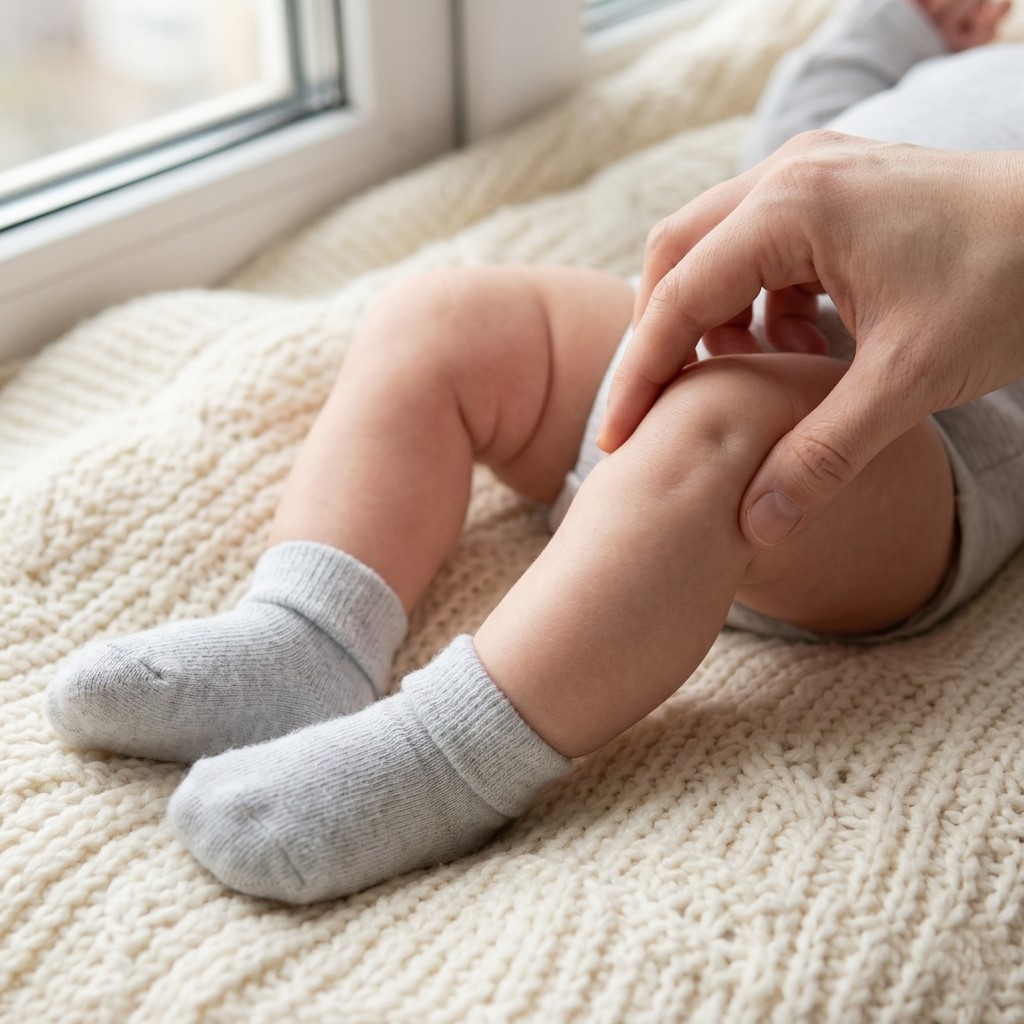
Parents often wonder about every small detail of their baby’s growth. One common question is: when do babies develop kneecaps? At first, this may sound surprising. However, babies are not born with fully formed kneecaps like adults. Instead, their knees start as soft cartilage, which slowly changes into bone over time.
In this complete guide, you will learn not only about kneecap development but also about baby growth stages, brain development, vision, milestones, feeding needs, and essential care tips. In addition, this article uses simple language, smooth transitions, and practical advice to help you understand your baby’s development step by step.
When Do Babies Develop Kneecaps?
Understanding Baby Knee Development
To begin with, babies do not have hard kneecaps at birth. Instead, they have soft cartilage in place of kneecaps. This soft structure allows flexibility and protects the joints during early growth.
So, when do babies develop kneecaps?
- Cartilage exists at birth
- Bone formation begins between ages 2 to 6 years
- Full kneecap development continues into childhood
Therefore, if you look at a baby’s knees, you may not notice a solid kneecap. However, development happens gradually.
Why Babies Don’t Have Hard Kneecaps Early
Next, you might ask why nature designed babies this way. The answer is simple. Soft cartilage allows:
- Easier movement
- Safer crawling
- Better shock absorption
As a result, babies can move freely without risking injury during early stages like crawling and learning to stand.
Stages of Baby Development in Womb
Before kneecaps begin forming, development starts in the womb.
Key stages of baby development in womb
- First trimester: organs and basic structure form
- Second trimester: bones begin developing
- Third trimester: rapid brain and body growth
During this time, cartilage forms first. Later, bones replace it gradually.
How to Improve Baby Brain Development During Pregnancy
Parents also ask how to improve baby brain development during pregnancy. This stage directly impacts future growth.
Helpful tips:
- Eat nutrient-rich foods like fruits and proteins
- Take prenatal vitamins
- Stay active with light exercise
- Reduce stress levels
In addition, listening to music or talking to your baby may support early brain stimulation.
Baby Cognitive Development
After birth, baby cognitive development becomes very important. This includes thinking, learning, and memory skills.
How babies learn:
- Recognizing voices
- Responding to faces
- Exploring objects
Over time, babies connect experiences with actions, which builds intelligence.
What Is the First Sense a Baby Develops?
Many parents ask: what is the first sense a baby develops?
The answer is touch.
Development order:
- Touch
- Hearing
- Smell
- Sight
Because of this, babies respond strongly to skin contact and gentle holding.
Baby Eyesight Development
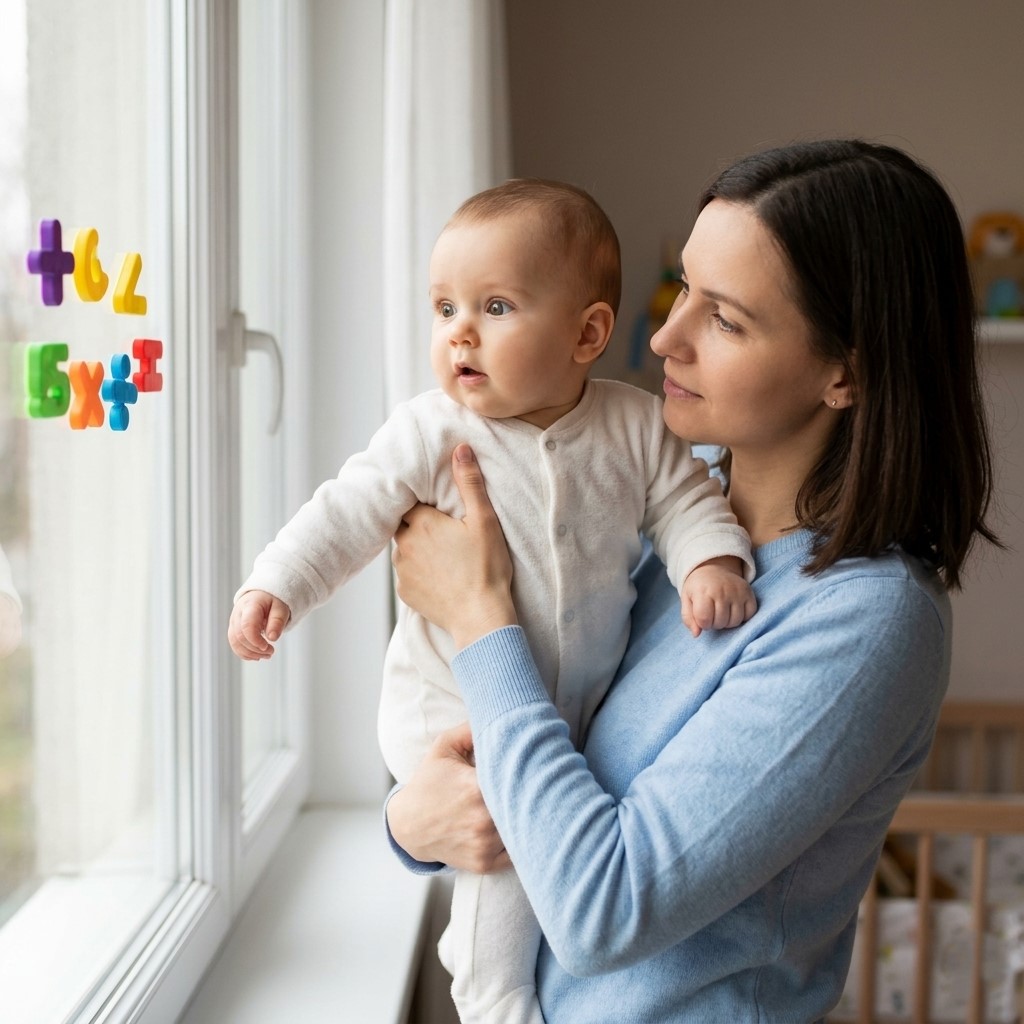
Baby eyesight development stages
At birth, babies cannot see clearly. However, vision improves quickly.
- 0–1 month: blurry vision
- 2–3 months: focus on faces
- 4–6 months: track movement
- 6–12 months: clearer vision
Baby vision development chart
Vision improves step by step:
- Light detection first
- Shape recognition later
- Color vision develops gradually
When are babies eye color fully developed?
Eye color usually becomes permanent between 6 to 12 months.
When Do Babies Develop Tears?
Another common question many parents ask is: when do babies develop tears? At first, it may seem surprising, but newborn babies cry without producing visible tears. Although they make crying sounds and show clear signs of discomfort, you usually will not see actual tears rolling down their cheeks in the early weeks.
Why newborns cry without tears
To begin with, newborns have underdeveloped tear ducts at birth. While their bodies can produce moisture to protect the eyes, the full tear production system is not yet active. As a result, babies can cry loudly to express hunger, discomfort, or tiredness, but visible tears do not appear during this stage.
In addition, crying remains the primary way babies communicate. Since they cannot speak or use gestures yet, they rely on sound and facial expressions. Therefore, even without tears, their crying still plays an important role in signaling their needs.
When do tears start to appear?
Over time, things begin to change. Most babies start producing visible tears between 1 to 3 months of age. During this period, the tear ducts develop further and begin functioning properly.
As development continues:
- Tear glands become more active
- Tear ducts open fully
- Tears begin to flow normally when the baby cries
Because of this, parents will start noticing small tears forming in the eyes and sometimes rolling down the cheeks.
What affects tear development?
Several natural factors influence when babies develop tears:
- Growth and maturation of tear ducts
- Overall physical development
- Hydration and feeding patterns
However, slight variation is completely normal. Some babies may develop tears a little earlier, while others may take a bit longer.
When should parents pay attention?
In most cases, delayed tears are not a concern. However, you should observe your baby if:
- There are no tears after 3 months
- Eyes appear very dry or irritated
- There is frequent eye discharge
In such situations, it is better to consult a pediatrician to rule out blocked tear ducts or minor infections.
How tear development connects to overall growth
Furthermore, tear development connects closely with overall baby growth. Just like baby eyesight development, brain growth, and sensory systems, tear production improves gradually over time. This shows that your baby’s body systems are developing step by step.
Final thoughts
In conclusion, babies do not produce visible tears at birth because their tear ducts are still developing. However, between 1 to 3 months, tears begin to appear as the system matures. Therefore, this stage marks another small but important milestone in your baby’s early development journey.
When Do Babies Develop Pincer Grasp?
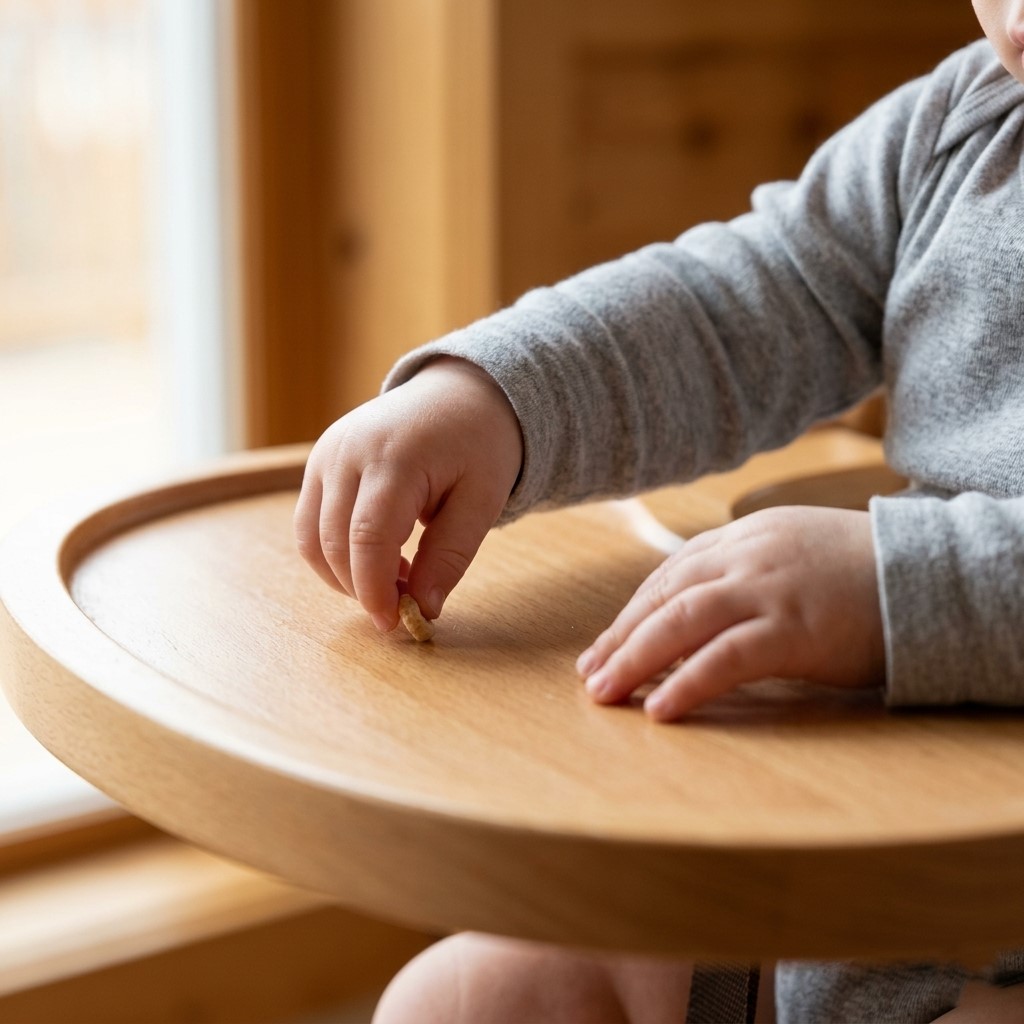
The pincer grasp allows babies to pick up small objects.
- Starts around 9 months
- Fully develops by 12 months
This milestone shows strong hand coordination.
Baby Milestones You Should Know
9 Week Old Baby Milestones
At 9 weeks:
- Baby smiles more
- Starts cooing
- Moves arms actively
11 Week Old Baby Milestones
At 11 weeks:
- Better head control
- Responds to sounds
- Tracks objects visually
Baby Clapping Milestone
Babies usually clap between 9–12 months. This shows excitement and social interaction.
Premature Baby Milestones Chart
Premature babies develop at their own pace. Doctors adjust milestones based on corrected age.
Baby Play and Activity Development
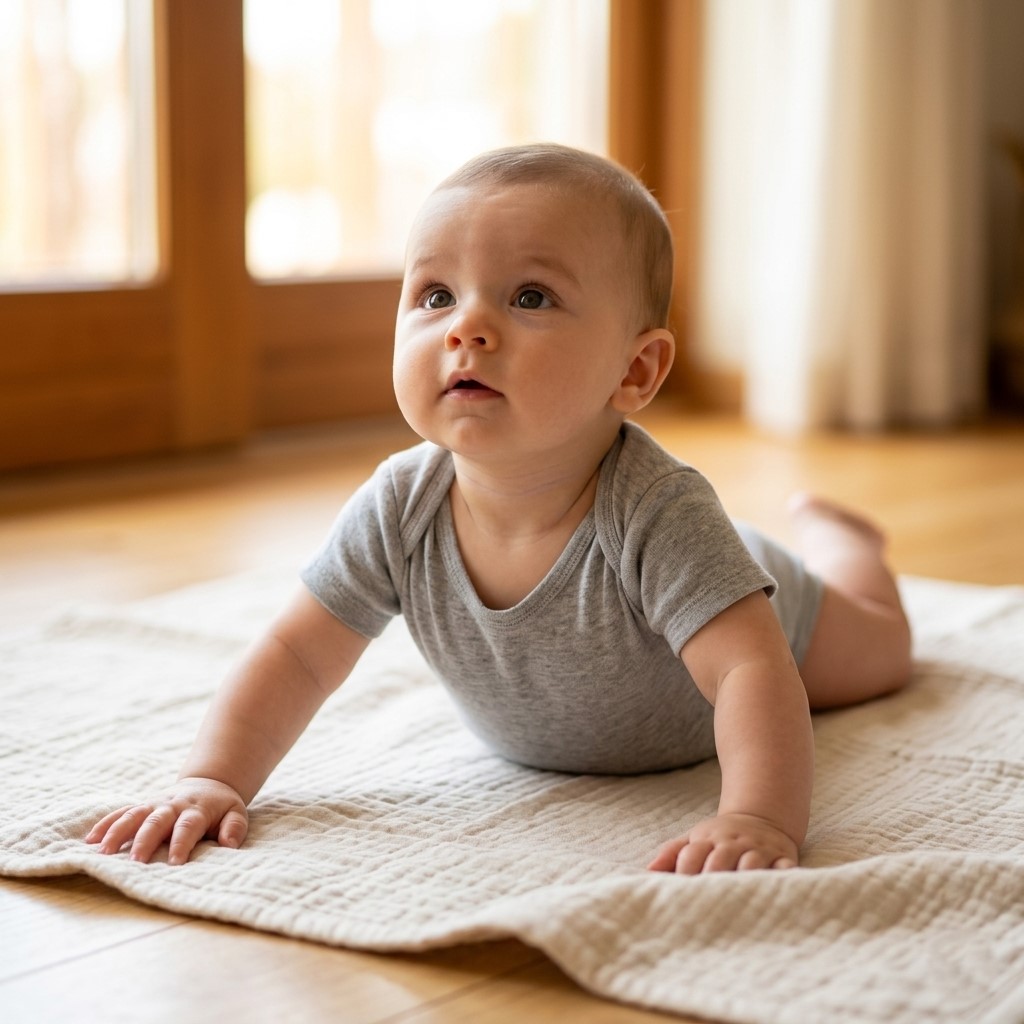
Baby’s Play Gym Mat
A babys play gym mat helps babies develop muscles and coordination.
Benefits include:
- Improves motor skills
- Encourages movement
- Supports tummy time
When Can Baby Use Skip Hop Activity Center?
Parents often ask: when can baby use skip hop activity center?
- Usually between 4–6 months
- Baby must have strong head control
Baby Einstein Hape Discovery Radio Toy Radio with Music
This toy supports early learning through sound.
Benefits:
- Encourages listening skills
- Stimulates brain activity
- Keeps baby engaged
Soothing Techniques for Babies
Parents often search for ways to calm babies. One common method is known as bounce baby on knee synonym, which includes:
- Gentle bouncing
- Rocking
- Swaying
These actions help babies relax quickly.
Feeding Essentials for Babies
How Many Baby Bottles Do I Need?
Parents frequently ask: how many baby bottles do i need?
A simple guide:
- 6–8 bottles for daily use
- Extra bottles for cleaning rotation
- Travel bottle for outings
This setup ensures convenience and hygiene.
Baby Care Essentials
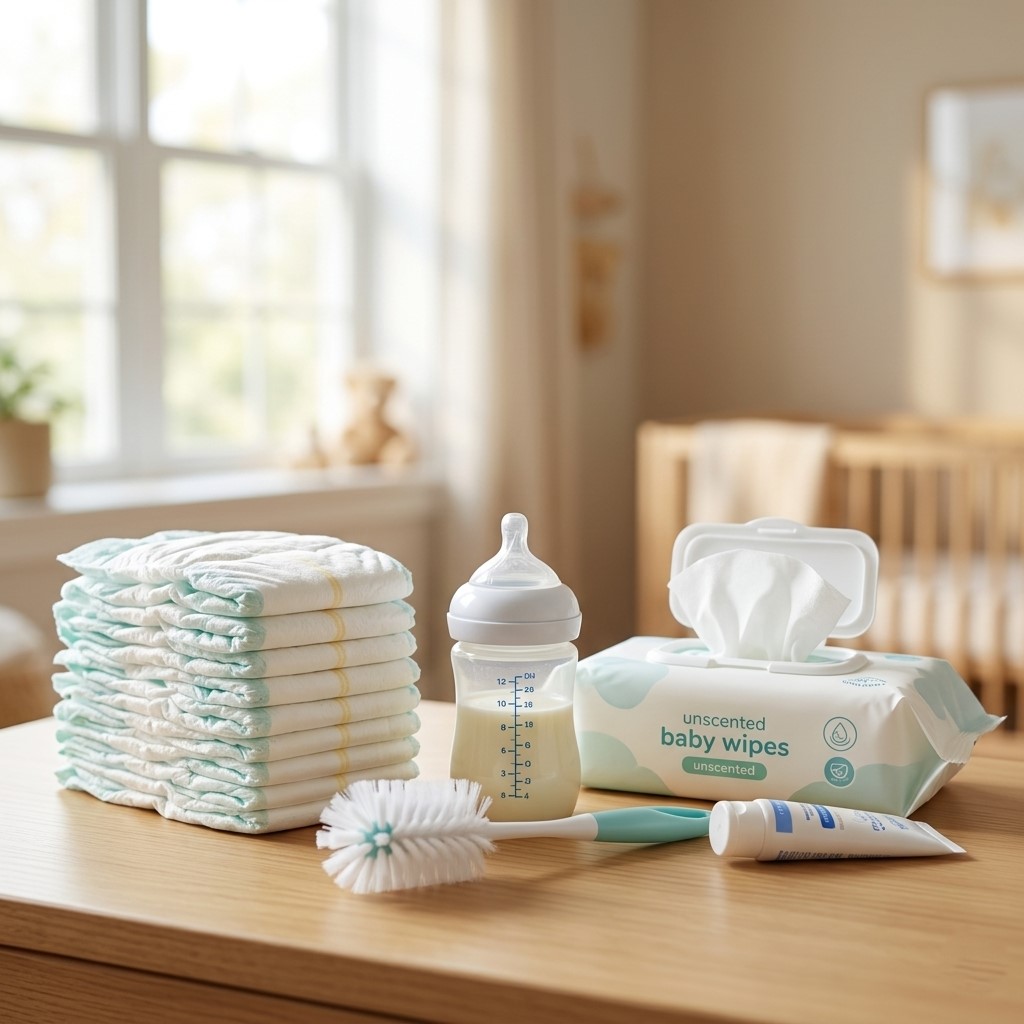
Pampers Free Baby Box
New parents often benefit from programs like pampers free baby box, which includes:
- Diapers
- Wipes
- Basic baby care items
These essentials help manage daily baby care easily.
Dressing Your Baby Properly
How to Dress a Newborn in Winter
Cold weather requires extra care.
- Use layers
- Keep baby warm
- Avoid overheating
How to Dress Newborn Winter
Parents should focus on:
- Soft fabrics
- Comfortable layers
- Proper temperature control
How to Dress a Newborn for Winter
Always:
- Cover head and feet
- Use breathable blankets
- Check baby temperature regularly
Winter Newborn Baby Size Chart for Clothes
Sizing guide:
- Preemie: under 5 lbs
- Newborn: up to 9 lbs
- 0–3 months: flexible fit
- 3–6 months: roomier
Clothing Beyond Newborn Stage
5T Dresses for Growing Children
As babies grow, parents look for larger sizes like 5t dresses for toddlers. This helps with long-term planning.
Mathematics Symbols and Baby Learning
Interestingly, mathematics symbols baby vision development chart shows how babies gradually recognize shapes and patterns. This supports early learning and visual understanding.
Bringing It All Together
So, when do babies develop kneecaps? Now you clearly understand the full picture, and it becomes easier to connect everything step by step.
Babies begin life with soft cartilage instead of hard kneecaps. At first, this flexible structure supports safe movement and protects delicate joints. Then, as your baby grows, this cartilage slowly starts turning into bone. Typically, this process begins between ages 2 to 6. However, development does not stop there. Instead, it continues gradually throughout early childhood until the kneecap becomes fully formed and strong.
Because of this slow and natural process, parents should not worry if they cannot feel a solid kneecap in early years. In fact, this softness plays an important role. It allows babies to crawl, move, and explore their environment safely without putting too much pressure on their joints.
At the same time, kneecap development does not happen alone. Instead, many other important systems grow together, and each one supports the other.
Key areas developing alongside kneecaps
First, the brain develops rapidly. During this stage, your baby starts learning, recognizing faces, and responding to sounds. As a result, baby cognitive development becomes stronger every day.
Next, vision improves step by step. Early on, babies see blurry shapes. However, over time, they begin to recognize faces, track movement, and understand colors. This process follows the baby eyesight development and baby vision development chart, which shows steady improvement.
In addition, movement skills grow quickly. Babies move from simple reflexes to controlled actions like rolling, crawling, and eventually walking. Because kneecaps support mobility, this connection becomes very important.
Furthermore, coordination improves as babies learn to use their hands and legs together. For example, skills like the pincer grasp or clapping show how well the brain and body work together.
Why every stage matters
Therefore, every stage of development matters deeply. Each small step builds the foundation for the next one. For example:
- Strong brain development supports learning and memory
- Healthy vision helps babies explore the world
- Good movement skills support crawling and walking
- Proper joint development supports balance and coordination
In other words, growth happens as a complete system, not in isolation.
Final understanding
To sum up, when asking when do babies develop kneecaps, you should think of it as part of a much bigger journey. Kneecap development reflects overall growth, including bones, muscles, brain function, and coordination.
As your baby grows, every milestone connects. Each stage leads to the next. Therefore, by understanding these changes, you can support your baby better, feel more confident, and enjoy every moment of their development journey.
FAQ:
When do babies develop kneecaps fully?
Babies start with cartilage at birth. Kneecaps harden into bone between ages 2 to 6 years.
Why don’t newborns have kneecaps?
Soft cartilage allows flexibility and protects joints during early movement.
What is the first sense a baby develops?
Touch develops first, even before birth.
When do babies develop tears?
Tears appear around 1 to 3 months after birth.
When do babies develop pincer grasp?
Between 9 and 12 months.
How many baby bottles do I need?
Most parents use 6 to 8 bottles daily.
When can baby use activity center?
Around 4 to 6 months with good head control.
How to dress a newborn in winter?
Use soft layers, keep baby warm, and avoid overheating.
When are babies eye color fully developed?
Usually between 6 to 12 months.
What are 11 week old baby milestones?
Better head control, smiling, and tracking objects.
Conclusion
Understanding when do babies develop kneecaps helps parents feel more confident about their baby’s growth. While kneecaps take time to form, they represent just one part of a much bigger development journey.
From brain growth to vision, movement, and emotional bonding, every stage builds the foundation for your child’s future. With proper care, nutrition, and attention, you can support your baby through every milestone with confidence and ease.