
DSLR Camera Definition: A Complete Guide for Beginners
If you are new to photography or want to upgrade your camera skills, you might have heard the term DSLR Camera many times. But what exactly is a DSLR Camera? In this article, we will explain everything about DSLR cameras in simple language. By the end, you will understand its definition, features, advantages, types, and how to choose the best one for your needs.
What is a DSLR Camera?
A DSLR Camera stands for Digital Single-Lens Reflex Camera. Let’s break this down:
- Digital: Unlike old film cameras, a DSLR stores images digitally on memory cards.
- Single-Lens: It uses one lens to take photos, which can be interchangeable. You can change lenses based on what type of photo you want.
- Reflex: It uses a mirror inside the camera to reflect the light from the lens to the viewfinder.
So, the DSLR Camera allows you to see exactly what the lens sees through the optical viewfinder. This makes photography more accurate and gives you high-quality images.
How Does a DSLR Camera Work?
The main feature of a DSLR camera is the mirror system inside. Here’s a simple explanation of how it works:
- Light Enters the Lens: When you point your camera at a subject, light passes through the lens.
- Mirror Reflects Light: Inside the DSLR, a mirror reflects the light up into a prism.
- Viewfinder Shows Image: The prism redirects light to the viewfinder, so you see exactly what the lens sees.
- Shutter Opens: When you press the shutter button, the mirror flips up, and light hits the image sensor.
- Image is Captured: The digital sensor records the image, which is then saved to your memory card.
This mechanism is why DSLR cameras are preferred by professionals—they provide clarity, precision, and control.
Key Features of a DSLR Camera
A DSLR Camera comes with many features that make it versatile and powerful. Here are some of the most important ones:
1. Interchangeable Lenses
One of the best things about DSLR cameras is that you can change lenses. You can use:
- Wide-angle lenses for landscapes.
- Macro lenses for close-up shots.
- Telephoto lenses for distant subjects like wildlife or sports.
2. Optical Viewfinder
The optical viewfinder gives a real-time view through the lens. Unlike digital screens, it does not lag, which is very useful for action photography.
3. Manual Controls
DSLR cameras offer manual control over settings like:
- Shutter speed
- Aperture
- ISO
This allows photographers to be creative and take professional-quality photos.
4. High Image Quality
With larger image sensors compared to smartphones or compact cameras, DSLRs provide better image resolution, color accuracy, and low-light performance.
5. Fast Autofocus
Most modern DSLR cameras have fast and accurate autofocus systems. This is especially important for moving subjects.
6. Durability
DSLRs are often built to last. They have strong bodies that can handle rough usage, making them suitable for outdoor and professional photography.
Advantages of a DSLR Camera
Using a DSLR Camera has many advantages:
- Better Image Quality: DSLR cameras have bigger sensors, giving clearer and sharper photos.
- Flexibility: You can change lenses and use accessories like flashes, tripods, and filters.
- Faster Performance: DSLRs are faster in capturing photos than many other cameras.
- Creative Control: You can manually adjust focus, exposure, and depth of field.
- Professional Use: Most professional photographers prefer DSLRs for events, wildlife, fashion, and studio photography.
Types of DSLR Cameras
DSLR cameras come in different types. Here’s a simple guide:
1. Entry-Level DSLR Cameras
These are perfect for beginners. They are affordable, easy to use, and still provide great image quality—examples: Canon EOS Rebel series, Nikon D3500.
2. Mid-Range DSLR Cameras
These offer more advanced features, such as faster autofocus, better low-light performance, and additional manual settings. Examples: Nikon D5600, Canon EOS 90D.
3. Professional DSLR Cameras
These are designed for professionals who need top performance and reliability. They have high-resolution sensors, advanced autofocus, and weather-sealed bodies. Examples: Canon EOS-1D X Mark III, Nikon D6.
DSLR Camera vs. Mirrorless Camera
Mirrorless cameras are becoming popular, but many people still prefer DSLRs. Here’s a comparison:
| Feature | DSLR Camera | Mirrorless Camera |
|---|---|---|
| Viewfinder | Optical (real-time) | Electronic (screen-based) |
| Battery Life | Longer | Shorter |
| Size & Weight | Heavier | Lighter |
| Lens Selection | Very wide (established system) | Limited but growing |
| Performance in Action | Excellent | Very good |
While mirrorless cameras are lighter and more modern, DSLR cameras still excel in durability, lens options, and battery life.
How to Choose a DSLR Camera
Choosing a DSLR depends on your needs. Here are some tips:
- Define Your Purpose: Are you a beginner, hobbyist, or professional?
- Consider the Sensor Size: Full-frame sensors capture more detail, APS-C sensors are smaller and cheaper.
- Check Lens Options: Make sure your camera brand has lenses for your photography style.
- Look for Features: Fast autofocus, video capability, and ISO range can matter depending on your use.
- Budget: DSLR cameras range from $400 to $6000+. Decide what features are most important for your money.
Common Accessories for DSLR Cameras
To get the most out of your DSLR camera, you may need some accessories:
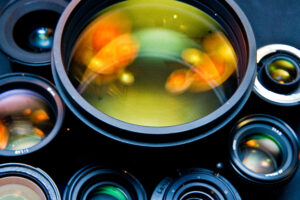
- Lenses: Wide-angle, macro, telephoto.
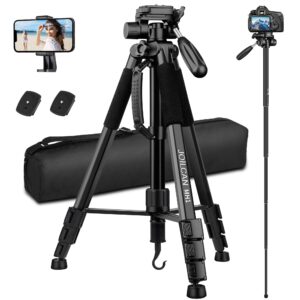
- Tripods: For steady shots.
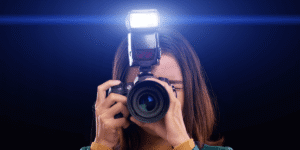
- External Flash: Better lighting than built-in flash.
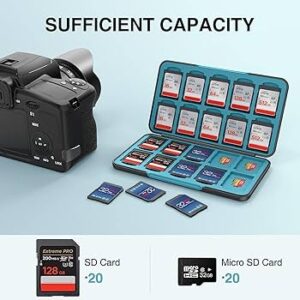
- Memory Cards: High-speed cards for faster saving.
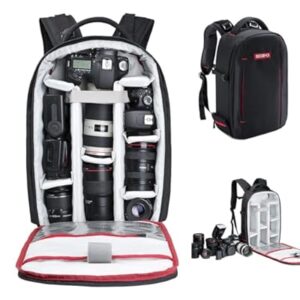
- Camera Bags: To protect your camera while traveling.
DSLR Camera Tips for Beginners
Here are a few simple tips to help beginners:
- Learn Manual Mode: Experiment with aperture, shutter speed, and ISO.
- Keep Lens Clean: Dust or smudges can affect photo quality.
- Practice Composition: Follow rules like the Rule of Thirds.
- Use RAW Format: RAW images are easier to edit.
- Take Lots of Photos: Practice makes perfect.
Common Misconceptions About DSLR Cameras
- DSLR Cameras are only for professionals: False. Entry-level DSLRs are beginner-friendly.
- They are too heavy: Modern entry-level DSLRs are compact and light.
- Smartphones are enough: While smartphones are convenient, DSLRs provide unmatched quality and control.
Why DSLR Cameras Are Still Popular
Even with mirrorless and smartphone cameras, DSLR cameras remain popular because:
- Excellent image quality in any lighting.
- Interchangeable lenses for creative freedom.
- Longer battery life for outdoor photography.
- Strong and durable construction for professional work.
Conclusion
In simple words, a DSLR Camera is a digital camera with a single lens and a mirror system that allows you to capture high-quality images. It offers flexibility, manual controls, and creative possibilities that other cameras often cannot match. Whether you are a beginner or a professional, understanding the DSLR camera definition helps you make an informed choice and take stunning photographs.
Remember, the key to photography is not just the camera but how you use it. With a DSLR camera in your hands and some practice, you can capture moments in ways that truly impress.