
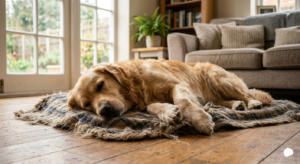
 If you have a dog at home, you already know how quickly their blankets get dirty. From muddy paw prints to stubborn odors and endless fur, a dog blanket can go from fresh to filthy in just a few days. But ignoring it is not an option — a dirty blanket can become a breeding ground for bacteria, allergens, and parasites that affect both your pet’s health and your home’s hygiene.
In this guide, you will learn exactly how to clean dog blankets the right way — including the best washing techniques, how to remove tough stains and bad smells, how often you should wash them, and the most common mistakes to avoid. Whether you are dealing with a lightly soiled fleece or a heavily hairy blanket that has seen better days, this step-by-step guide has you covered.
Why You Should Clean Dog Blankets Regularly
Many pet owners underestimate how important it is to wash their dog’s bedding on a routine basis. Here is why regular cleaning matters:
To Reduce Bacteria and Germs
Dog blankets collect bacteria, fungi, and parasites like fleas and mites over time. These can cause skin infections in your pet and trigger allergies in humans — especially children. Regular washing kills these harmful microorganisms before they become a serious problem.
To Eliminate Bad Odor
That distinct “wet dog” smell does not go away on its own. It builds up deep in the fabric fibers over time. Washing the blanket regularly is the only reliable way to eliminate the odor at its source — not just mask it temporarily.
To Control Pet Hair Buildup
Dog hair embeds deeply into fabric and becomes harder to remove the longer it sits. Washing blankets frequently prevents excessive hair buildup, making each clean easier than the last.
To Extend the Blanket’s Lifespan
Dirt, oils, and debris break down fabric fibers over time. Regular cleaning removes these materials before they cause permanent damage, helping your dog’s blanket last significantly longer.
How Often Should You Clean Dog Blankets?
The right washing frequency depends on your dog’s shedding level, age, and health condition:
- Light shedding dogs — Wash every 2 weeks
- Heavy shedding dogs — Wash once a week
- Puppies — Wash more frequently, as they tend to have accidents and track more dirt
- Sick dogs — Wash immediately after any sign of illness to prevent the spread of germs
As a general rule: if you can smell the blanket before you even pick it up, it is already overdue for a wash.
Step-by-Step: How to Clean Dog Blankets
Follow these steps carefully for the best results every single time.
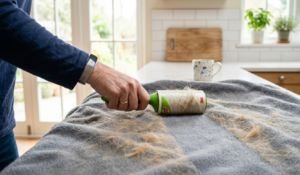
Step 1: Remove Loose Hair First
Never put a hair-covered blanket directly into the washing machine. Pet hair clogs filters and drains, and wet fur clumps together and sticks even harder to fabric after a wash cycle.
Before washing, do the following:
- Shake it outside to dislodge loose hair and surface dirt
- Use a lint roller to pick up remaining surface-level hair
- Wear rubber gloves and run your damp hands over the blanket — the friction pulls hair into clumps that are easy to peel off
- Use a vacuum cleaner with an upholstery attachment for the most thorough pre-wash hair removal
Taking just 5 minutes to complete this step will protect your washing machine and make the actual wash far more effective.
Step 2: Pre-Treat Stains
For stubborn stains or heavily soiled areas, pre-treatment is essential before throwing the blanket in the wash.
- Baking soda: Sprinkle it generously over the stained or smelly area and let it sit for 15 to 30 minutes before brushing it off. It absorbs odors and helps loosen grime from the fabric.
- White vinegar spray: Mix equal parts white vinegar and water in a spray bottle. Spray directly onto stains and let it sit for 10 minutes before washing. Vinegar is a natural disinfectant and deodorizer.
- Mild stain remover: For tough stains like mud or food, apply a pet-safe, mild stain remover. Avoid anything containing bleach or strong chemical fragrances, as these can irritate your dog’s skin.
Step 3: Choose the Right Detergent
The detergent you use matters more than you might think — both for your dog’s skin health and for the fabric’s integrity.
- Use a mild or hypoallergenic detergent: Fragrance-free, dye-free formulas are gentlest on your pet’s skin and least likely to cause irritation or allergic reactions.
- Avoid strong fragrances: Dogs have a far more sensitive sense of smell than humans. Heavily scented detergents can be uncomfortable or even distressing for them.
- Skip fabric softener: Fabric softener coats fibers with chemicals that can irritate a dog’s skin and reduce the blanket’s absorbency over time. Use a small amount of white vinegar in the rinse cycle instead for natural softness without the harsh chemicals.
Step 4: Machine Wash Settings
Getting the settings right protects the blanket and ensures a thorough, effective clean.
- Water temperature: Use cold or warm water — never hot. Hot water can shrink fabric, permanently set stains, and damage waterproof coatings.
- Cycle: Select the gentle or delicate cycle to prevent unnecessary wear and tearing on the fabric.
- Extra rinse: If your machine has this option, always use it. It removes detergent residue that can linger in the fabric and irritate your dog’s skin.
Always run the blanket by itself or only with other pet items — never mix it with your regular laundry.
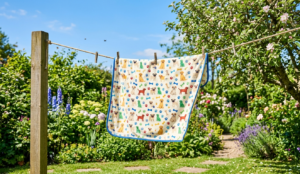
Step 5: Drying the Blanket
Improper drying is one of the leading causes of lingering dog smell after washing. Moisture trapped inside the fabric creates the perfect environment for mold and bacteria to grow.
- Air drying is the best option whenever possible. Hang the blanket outdoors in direct sunlight — UV rays have a natural antibacterial and deodorizing effect.
- Tumble dry on low heat if air drying is not an option. High heat can shrink certain fabrics and damage waterproof liners, so always keep the temperature setting low.
- Use dryer balls: Wool or rubber dryer balls help break up remaining fur clusters and reduce drying time — a particularly useful trick for heavy or thick blankets.
Always make sure the blanket is completely dry before returning it to your dog. A damp blanket left folded will develop mildew quickly and smell even worse than before.
How to Clean Very Dirty or Hairy Dog Blankets
When a blanket is extremely dirty or covered in heavy fur, a standard wash cycle alone will not be enough. Follow these extra steps:
- Wash it separately: Never throw a heavily soiled dog blanket in with other laundry. The dirt, hair, and bacteria can transfer to your other items.
- Soak before washing: Fill a bathtub or large sink with cool water and a little white vinegar. Soak the blanket for 30 to 60 minutes to loosen embedded dirt and hair before running the machine cycle.
- Double rinse: Run an extra rinse cycle to make sure all detergent, hair, and debris are fully washed out of the fabric.
- Clean your washing machine afterward: Run an empty hot cycle with a cup of white vinegar or a washing machine cleaning tablet. This removes any remaining pet hair, dander, and odor from the drum and keeps your machine in good working order.
How to Remove Dog Smell from Blankets
Sometimes, even after a full wash, that persistent dog smell remains in the fabric. Here is how to tackle it effectively:
- Vinegar rinse: Add half a cup of white vinegar to the rinse cycle. Vinegar neutralizes odor-causing bacteria without leaving a smell of its own — the vinegar scent disappears completely as the blanket dries.
- Baking soda method: Add half a cup of baking soda directly to the wash drum along with your detergent. It significantly boosts the wash’s odor-fighting power.
- Sunlight drying: Dry the blanket outside in direct sunlight whenever the weather allows. Sunlight is a powerful natural deodorizer and kills the bacteria responsible for persistent bad smells.
- Odor-neutralizing spray: For a quick refresh between full washes, use a pet-safe fabric spray to freshen up the blanket without running a complete wash cycle.
Can All Dog Blankets Be Machine Washed?
Not all dog blankets are made the same way. Here is a quick guide by blanket type:
- Fleece blankets — Generally machine-wash safe on a gentle cycle. Fleece is durable, lightweight, and dries quickly, making it one of the easiest blanket materials to maintain.
- Waterproof blankets — Always check the care label first. Many can be machine washed on a cold, gentle cycle, but high heat in the dryer can permanently damage the waterproof coating.
- Heavy blankets — Use a gentle wash cycle with cold water and make sure the blanket has enough room in the drum to move around properly. An overcrowded machine will not clean it effectively.
- Mink or velvet blankets — These require more careful handling. Use cold water, the gentlest cycle available, and always air dry flat to preserve the soft texture and prevent shrinkage.
When in doubt, check the care label. If it says hand wash only, respect that instruction — or take it to a professional cleaner for expensive or delicate blankets.
Common Mistakes to Avoid
Even well-meaning pet owners make these cleaning errors. Avoiding them will protect your dog’s health and extend your blanket’s life considerably:
- Washing with human clothes: Dog blankets carry hair, bacteria, and parasites that you do not want transferring to your clothing or bedding. Always wash them as a completely separate load.
- Skipping the hair removal step: Putting a hairy blanket straight into the machine can clog the drain filter, reduce wash effectiveness, and leave your machine full of wet, tangled fur. Always de-hair the blanket before washing.
- Using hot water: Hot water can shrink the blanket, set stains permanently, and damage waterproof materials. Always stick to cold or warm water.
- Overloading the washing machine: A machine that is too full cannot agitate the blanket properly, leaving it under-cleaned. It also puts unnecessary stress on the machine’s motor and drum over time.
- Using strongly scented detergents or fabric softeners: These can irritate your dog’s sensitive skin and nose, and may cause them to avoid the blanket entirely after washing.
Tips to Reduce Pet Hair on Blankets
Prevention is always easier than cleanup. Building these simple habits into your routine will significantly reduce how much hair accumulates on your dog’s blanket between washes:
- Brush your dog regularly: Consistent brushing removes loose hair before it ends up shed on the blanket. This is especially important during seasonal shedding periods and for heavy-shedding breeds.
- Use a couch cover or furniture protector: If your dog uses the sofa, a washable cover prevents hair from embedding into the upholstery and reduces how much migrates onto their blanket.
- Invest in hair-resistant blankets: Some blankets are specifically designed with tightly woven, smooth fabrics that naturally repel pet hair. These are far easier to clean and maintain between full washes.
Frequently Asked Questions
Can I wash dog blankets with regular laundry? No — it is always best to wash dog blankets separately from your regular laundry. Pet hair, bacteria, and dander can transfer to your clothing and cause hygiene issues or trigger allergies. Always run them as their own dedicated load.
What temperature should I use to wash dog blankets? Cold or warm water — up to around 40°C (104°F) — is ideal for most dog blankets. Hot water can shrink the fabric, set stains permanently, and damage any waterproof coatings. Always check the care label on your specific blanket for the manufacturer’s recommendation.
How do I disinfect dog blankets? Add half a cup of white vinegar to the wash cycle as a natural disinfectant. For extra disinfection power, you can also add a pet-safe laundry sanitizer to the rinse cycle. Drying the blanket in direct sunlight afterward provides an additional natural antibacterial effect.
Why does my dog’s blanket still smell after washing? If the smell persists after washing, you likely need a longer pre-soak, a second wash cycle, or a combination of baking soda and vinegar treatment. Also make sure the blanket is drying completely before folding or storing it — a slightly damp blanket left folded will quickly develop mildew and smell even worse than before washing.
Is vinegar safe for dog blankets? Yes — white vinegar is completely safe for dog blankets and poses no risk to your pet. It is a natural disinfectant, a powerful deodorizer, and a great chemical-free alternative to fabric softener. The vinegar smell disappears entirely once the blanket is dry. Stick to plain white vinegar rather than apple cider vinegar, as the latter can occasionally leave a faint stain on lighter-colored fabrics.
Final Thoughts
Keeping your dog’s blanket clean does not have to feel like a difficult or time-consuming chore. With the right routine — regular hair removal before washing, the correct machine settings, and the occasional odor treatment — you can keep your pet’s bedding fresh, hygienic, and long-lasting with very little effort.
Start with a weekly or biweekly washing schedule based on your dog’s shedding level, and make pre-wash hair removal a non-negotiable habit. Your dog’s health, your home’s hygiene, and even your washing machine will all benefit.
Quick Recap:
- Remove hair before every wash
- Pre-treat stains with baking soda or white vinegar
- Use a mild, fragrance-free detergent
- Wash on a cold or warm, gentle cycle
- Air dry in sunlight whenever possible
- Clean your washing machine after each load of pet bedding