
A Comprehensive Guide for New and Expecting Parents.Welcoming a new baby is an exciting time, but navigating the world of baby gear can feel overwhelming, especially when it comes to clothing. With endless options for sizes, styles, and fabrics, it’s easy to get lost. This comprehensive guide will equip you with everything you need to know about baby clothing & Size Guides:, including how to decode size charts, choose the best fabrics, dress for different seasons, and manage your little one’s growing wardrobe with confidence.
Decoding Baby Size Charts: Finding the Perfect Fit
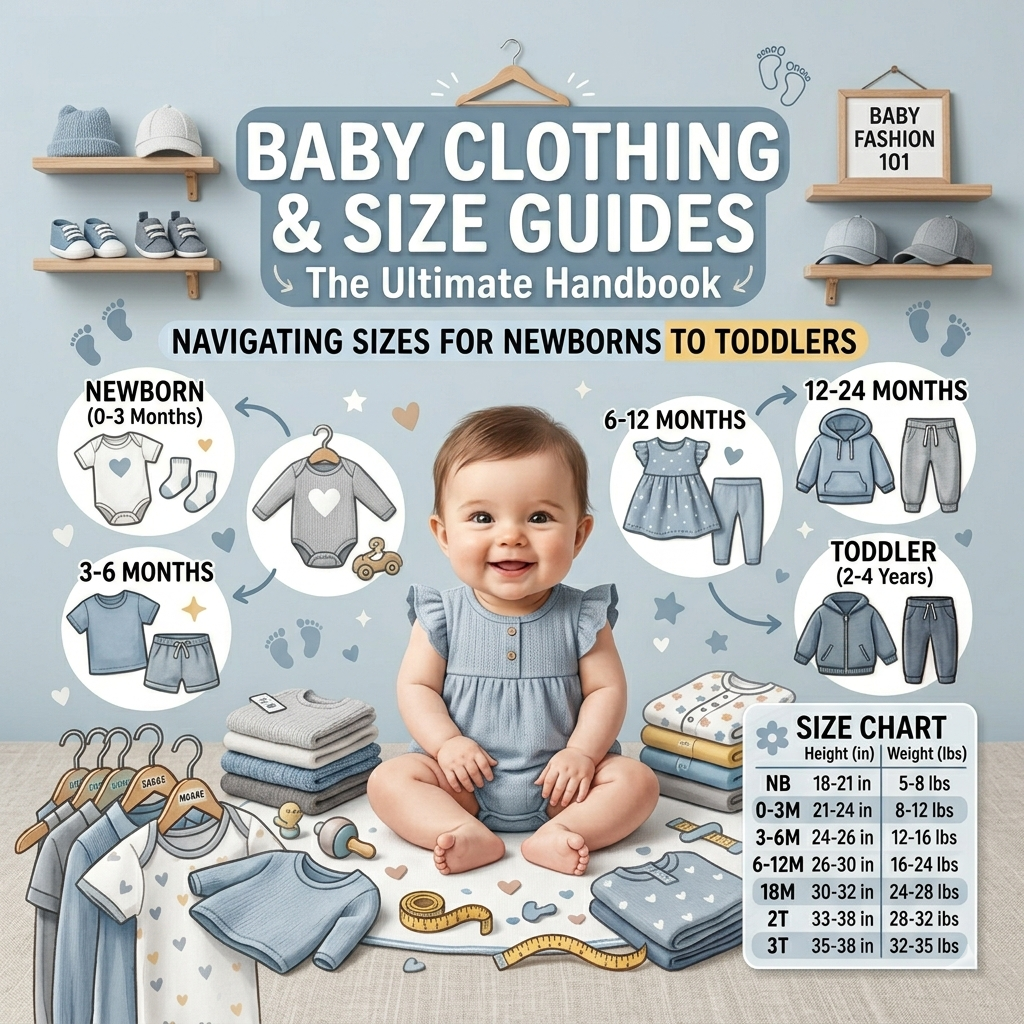
Baby Clothing & Size Guides-The first challenge in dressing your baby is understanding sizing. Unlike adult clothing, which follows standard measurements, baby sizes are primarily based on age or weight ranges. Here’s a breakdown of common baby sizes and what they usually mean:
Newborn (NB): Typically designed for babies up to 7-10 pounds. While some babies outgrow this size very quickly, it’s essential to have a few pieces for those first precious weeks.
0-3 Months: Often the first size many babies wear comfortably. Geared towards babies 10-14 pounds.
3-6 Months: Designed for babies around 14-18 pounds, as they start to fill out and grow quickly.
6-9 Months: Geared towards babies 18-22 pounds, often corresponding to the time when they begin to sit up independently and play.
9-12 Months: For babies 22-26 pounds, as they approach their first birthday and may start crawling and pulling up.
Why Age Isn’t the Only Factor for Baby Clothing & Size Guides:
While age is a helpful guideline, it’s crucial to remember that every baby grows at their own pace. A small 6-month-old might wear 3-6 month clothes, while a large 4-month-old might already be in 6-9 month sizes. Always prioritize weight and length over age when consulting size charts.
The Role of Brand Variation for Baby Clothing & Size Guides:
Baby Clothing & Size Guides- Just like adult brands, baby clothing brands can vary significantly in their sizing. A “0-3 Months” size from one brand might be larger or smaller than the same size from another brand. It’s helpful to pay attention to how different brands fit your baby. Some tend to run smaller, while others are more generous. This knowledge will save you from buying clothes that are too small.
Essential Fabrics for Baby Clothing: Prioritizing Comfort and Safety
Your baby’s skin is incredibly delicate and sensitive, making fabric choice one of the most important considerations when selecting clothes. You want materials that are soft, breathable, and unlikely to cause irritation.
Cotton: The gold standard for baby clothing. Cotton is natural, hypoallergenic, breathable, and absorbs moisture well, keeping your baby comfortable. It’s also durable enough to withstand frequent washing.
Organic Cotton: Grown without harmful pesticides or synthetic fertilizers, organic cotton is even gentler on delicate skin. While slightly more expensive, many parents find the peace of mind worth it.
Bamboo Rayon: Highly breathable, hypoallergenic, and exceptionally soft. Bamboo fabric naturally helps regulate body temperature, keeping babies cool in the heat and warm in the cold. It’s also known for being very absorbent.
Linen: Lightweight and very breathable, making it excellent for hot summer months. However, it wrinkles easily and can be slightly stiffer than cotton or bamboo. Look for softer linen blends.
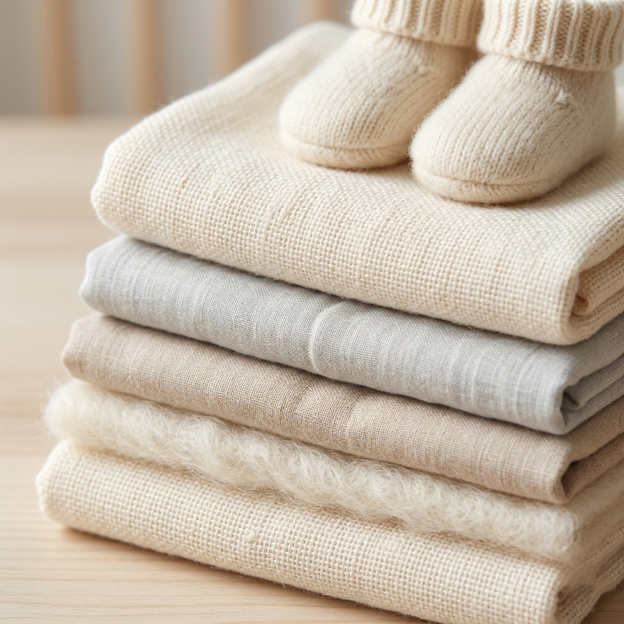
Wool (Merino Wool): Excellent for cooler weather. Merino wool is incredibly soft (not scratchy), highly breathable, and remarkably good at regulating body temperature and wicking away moisture. It’s naturally flame-resistant and odor-resistant.
Blends: Many baby clothes are made from blends, such as cotton-spandex or bamboo-cotton. These can combine the best qualities of different fibers, offering softness, stretch, and breathability. Just be sure to check the blend and avoid high percentages of synthetic fabrics.
What to Avoid from Baby Clothing & Size Guides:
Synthetic Fabrics (like polyester): While durable and often less expensive, synthetics can be less breathable and may cause overheating or skin irritation for some babies.
Itchy Fabrics: Anything that feels rough or scratchy against your skin will likely be very uncomfortable for your baby.
Excessive Embellishments: Be cautious of clothes with excessive sequins, beads, or decorative elements that could pose a choking hazard or scratch your baby.
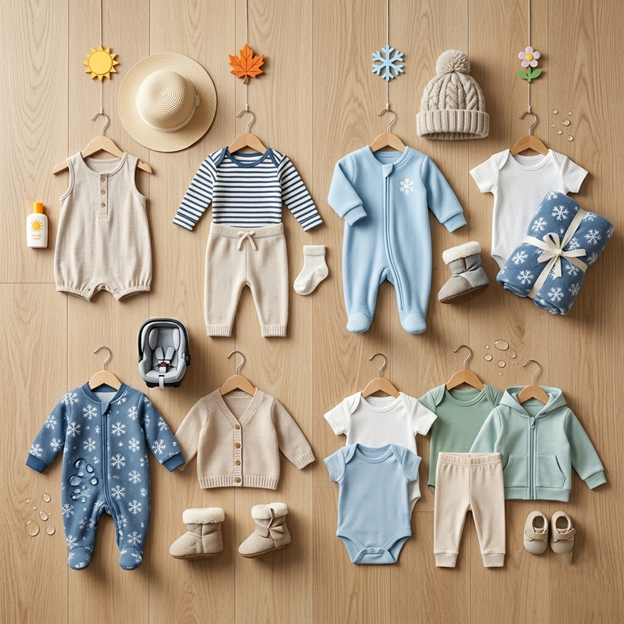
Dressing for the Seasons: Keeping Baby Comfortable All Year Round
Baby Clothing & Size Guides- One of the biggest challenges for new parents is figuring out how to dress their baby appropriately for the weather. Babies are not yet efficient at regulating their body temperature, so they can easily become too hot or too cold. The key is to check their temperature frequently (by feeling their chest or neck) and add or remove layers as needed. A good rule of thumb is that babies typically need one more layer than you do to feel comfortable in the same temperature. For instance, if you’re comfortable in a t-shirt and light cardigan, your baby might need a bodysuit, a light sweater, and a pair of pants.
Summer Style: Keeping Baby Cool and Protected
In hot weather, the goal is to keep your baby cool, dry, and shielded from the sun. The combination of high heat, humidity, and direct sunlight can be harsh on delicate newborn skin.
Lightweight Fabrics: Opt for loose-fitting, light-colored clothes made from breathable fabrics like lightweight cotton, bamboo, or linen. Tight clothing can restrict airflow and increase the risk of heat rash. Light colors reflect heat better than dark ones.
One-Layers: A simple short-sleeved bodysuit or even just a diaper is often enough indoors. Don’t be afraid to let your baby hang out in just their diaper at home. Ensure they stay hydrated and check for signs of overheating, like flushed cheeks or rapid breathing.
Sun Protection: When outdoors, choose long-sleeved bodysuits and pants made from lightweight, UV-protective fabrics. While shade is your best defense against UV rays, extra coverage helps. Always use a sun hat with a wide brim that covers the face, neck, and ears. These areas burn very easily. Keep your baby in the shade as much as possible—under a stroller canopy, umbrella, or tree.
Feet Off: In very hot weather, avoid putting socks or booties on your baby unless absolutely necessary for sun protection, as they can quickly trap heat and cause overheating. Babies regulate a significant portion of their body temperature through their feet and head.
Autumn Comfort: Managing Changing Temperatures
Autumn brings unpredictable weather, making layers your best friend. You might experience chilly mornings, followed by a warm afternoon, only to have temperatures drop again by evening. Having layers that are easy to add and remove is crucial for keeping your baby comfortable throughout the day.
Base Layer: Start with a short-sleeved or long-sleeved bodysuit. This is the foundation layer that stays on regardless of other changes.
Middle Layer: Add a pair of soft pants (like leggings) and a lightweight sweater, cardigan, or hoodie. A zip-up or snap-front top is much easier to remove quickly if your baby gets too warm.
Footwear: As the ground cools, consider soft-soled shoes, thicker socks, or booties to keep feet warm. Avoid tight shoes that can restrict foot development.
Outer Layer: Keep a light jacket or a warm vest on hand for cooler mornings or evenings. Vests are a great transitional piece as they keep the core warm while allowing for more freedom of movement in the arms.
Winter Warmth: Mastering the Art of Layering
Winter requires careful layering to keep your baby warm without overheating them. The danger of overheating is just as real in winter as it is in summer, especially when moving between cold outdoors and heated indoor environments. Always undress your baby before putting them in a car seat, as bulky winter coats prevent the harness from being tightened properly.
Base Layer: A long-sleeved bodysuit is ideal. This is the foundation layer. Consider a thin, breathable wool or merino wool bodysuit for its superior temperature-regulating properties.
Middle Layer: Add pants (or thicker leggings) and a warm sweater, fleece, or footed sleepsuit. Footed garments are excellent for extra warmth as they eliminate the need for socks and prevent gaps where cold air can get in.
Footwear: Keep feet warm with socks and insulated booties. Booties are often easier to keep on wiggly baby feet than socks.
Outerwear: Use a warm winter coat or snowsuit for outdoor outings. When choosing outerwear, look for materials that are both windproof and water-resistant.
Car Seat Solution: Dress your baby in their usual indoor layers (plus a warm hat) and then buckle them snugly into the car seat. Drape a warm, heavy blanket over them (tucked in, but not under the harness straps) once they are secured. This keeps them warm during the ride without compromising car seat safety.
Check Frequently: Regularly check your baby’s neck or chest to ensure they are warm but not sweaty. Feeling their neck or chest is the most accurate way to gauge their temperature. Signs of overheating include flushed cheeks, rapid breathing, or dampness from sweat. Don’t rely on the temperature of their hands or feet as they are typically cooler than the rest of their body.
Spring Simplicity: Embracing Versatility
Spring weather is much like autumn, requiring layers to handle shifting temperatures. You may have cool, rainy mornings followed by sunny, warm afternoons. Be prepared for anything.
Adaptability: Have both short-sleeved and long-sleeved bodysuits available. This gives you the most flexibility when building an outfit.
Layer Up/Down: Pair light pants (like leggings) with a variety of sweaters and jackets that can be easily added or removed. Focus on pieces that are easy to manage quickly.
Rain Gear: A lightweight, water-resistant jacket or a puddle suit is useful for spring showers. Look for rain gear that is breathable to prevent your baby from sweating underneath.
Smart Shopping Strategies: Building a Practical and Affordable Baby Wardrobe
Shopping for baby clothes can be fun, but it can also be expensive. You don’t need to spend a fortune to keep your baby dressed comfortably. Here are some strategies for building a practical and affordable wardrobe:
The Essential List: What to Buy First
Don’t go overboard buying expensive outfits initially. Focus on comfort and practicality. Your baby will grow out of clothes very quickly in the first few months. Focus on a core set of essentials(Baby Clothing & Size Guides):
Bodysuits (onesies): Buy a mix of long-sleeved and short-sleeved in varying sizes (NB, 0-3M, 3-6M). You’ll need 7-10 in each size category.
Sleepsuits (footie pajamas): Essential for sleep and lounge time. Buy in 0-3M and 3-6M. You’ll need 5-7 in each size category.
Pants (leggings): Perfect for layering over bodysuits. Buy 3-5 in each size category.
Socks/Booties: Have several pairs (5-7 pairs) in newborn and 0-6M sizes.
Hats: Lightweight hats (2-3) are crucial for sun protection. Consider a warmer beanie (1-2) for winter babies.
Bibs: Essential for drooling and feeding. Buy 10-15 since you’ll go through them quickly.
Burp Cloths: Trust us, you’ll need many of these (15-20)!
Saving Money on Baby Clothes:
Shop the Sales: Look for end-of-season clearance sales to buy sizes for the future. You can often find deep discounts on seasonal items.
Embrace Secondhand: Check out secondhand stores, consignment shops, or online platforms (like Facebook Marketplace or Poshmark) for gently used baby clothes. Babies outgrow clothes so quickly that many items are in excellent condition. This is a very budget-friendly option.
Accept Hand-Me-Downs: If you have friends or family with older children, don’t be afraid to accept hand-me-downs. This is often the cheapest and easiest way to build a wardrobe.
Buy Neutral: Purchasing clothes in neutral colors like grey, cream, or teal makes them easier to hand down to future siblings, regardless of gender.
Ask for Gifts: When people ask what you need, suggest specific sizes or types of clothing. Most people are happy to buy a gift they know will be useful.
Don’t Overbuy Newborn Size: Many babies only wear newborn size for a week or two. Focus your initial purchases on the 0-3 month size, keeping only a handful of newborn items on hand.
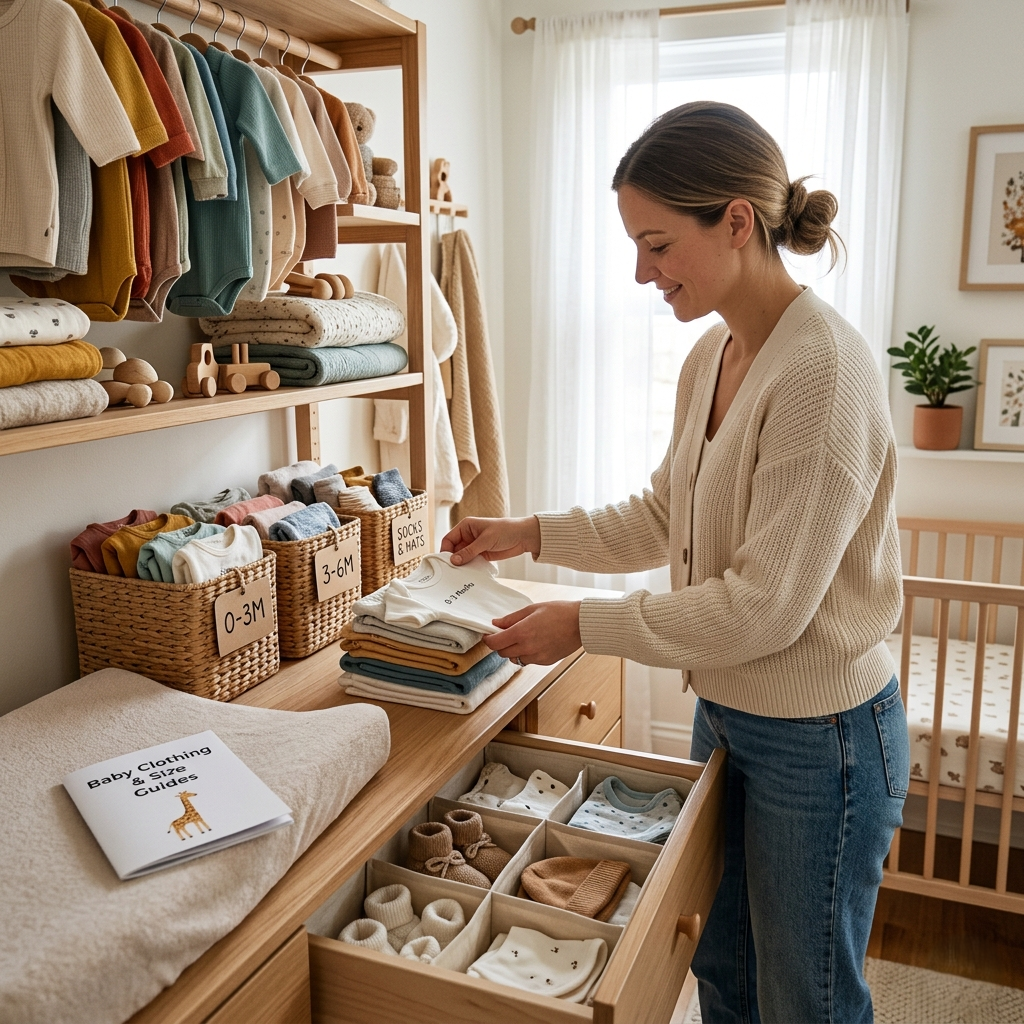
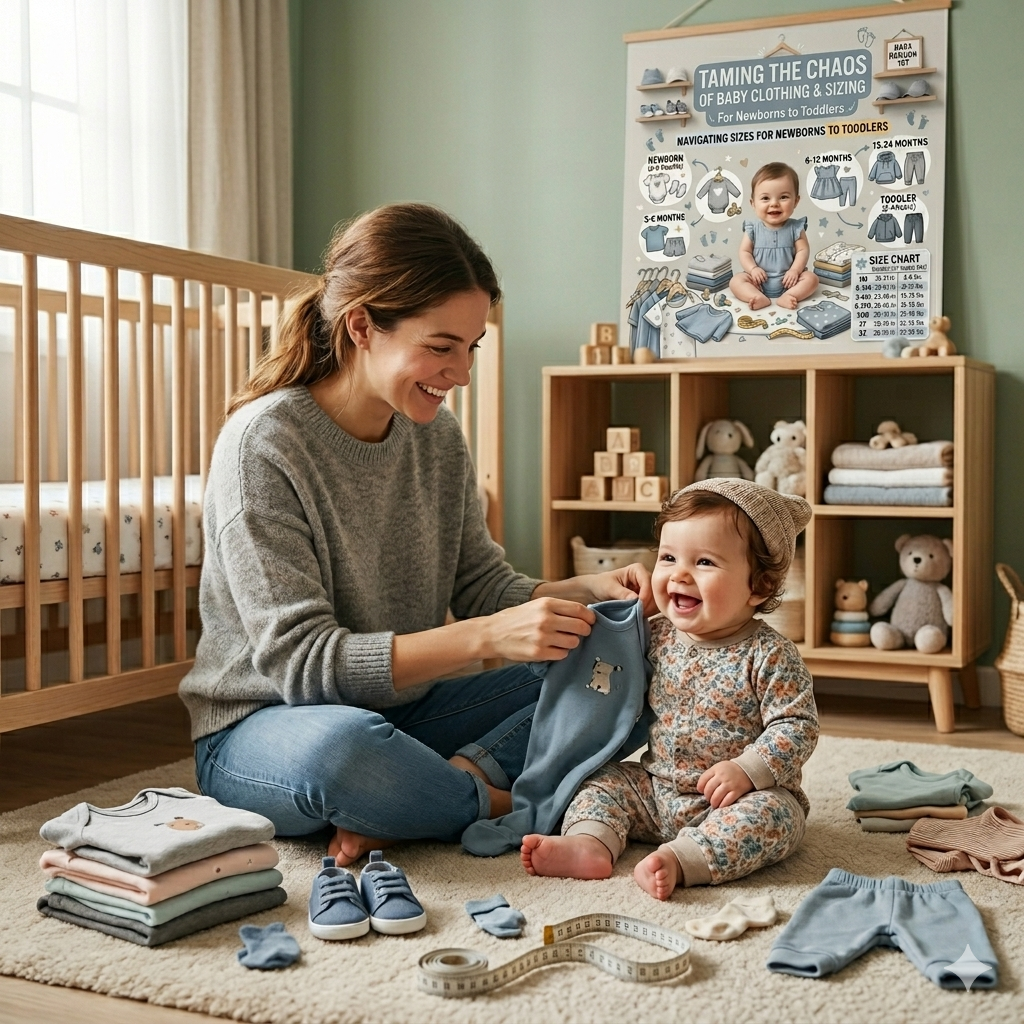
Organizing Baby Clothes: Taming the Chaos
Managing a constantly changing wardrobe for a rapidly growing baby can quickly become chaotic. Here’s how to stay organized (Baby Clothing & Size Guides):
Sort by Size: Always organize clothes by size. Group all “0-3 Months” items together, “3-6 Months” together, and so on. This makes it easy to find what fits.
Use Drawer Dividers: These are lifesavers for organizing small items like socks, bodysuits, and hats. They keep items neat and visible.
Clear Storage Bins: Invest in a few clear storage bins. As your baby outgrows clothes, immediately wash them and place them in a labeled bin (e.g., “Outgrown 0-3M”) so they are ready for the next baby, to donate, or to pass on.
Rotate Wardrobe: Every month or two, go through the wardrobe and retire any outgrown items, replacing them with the next size.
Utilize Hanging Space: While many baby clothes fit better in drawers, hanging outfits can help keep matching pieces together. Use velvet non-slip baby hangers to maximize space.
A Final Thought: Practicality Over Perfection of Baby Clothing & Size Guides
Remember, you’re not aiming for a Pinterest-perfect wardrobe. Focus on keeping your baby clean, comfortable, and safe. Stains are inevitable, and practicality always wins over perfect outfits. Enjoy this time, embrace the chaos, and dress your little one in clothes that make them smile and keep them cozy. With these tips and guidelines, you can navigate the world of baby clothing with confidence, ensuring your baby is dressed perfectly for every occasion and every season.